Vpn unlimited extension chrome 2026
'%2F%3E%3Ctext%20x%3D'50%25'%20y%3D'50%25'%20dy%3D'.35em'%20text-anchor%3D'middle'%20font-family%3D'-apple-system%2CBlinkMacSystemFont%2CSegoe%20UI%2Csystem-ui%2Csans-serif'%20font-size%3D'100'%20font-weight%3D'600'%20fill%3D'%23fff'%3ENT%3C%2Ftext%3E%3C%2Fsvg%3E)
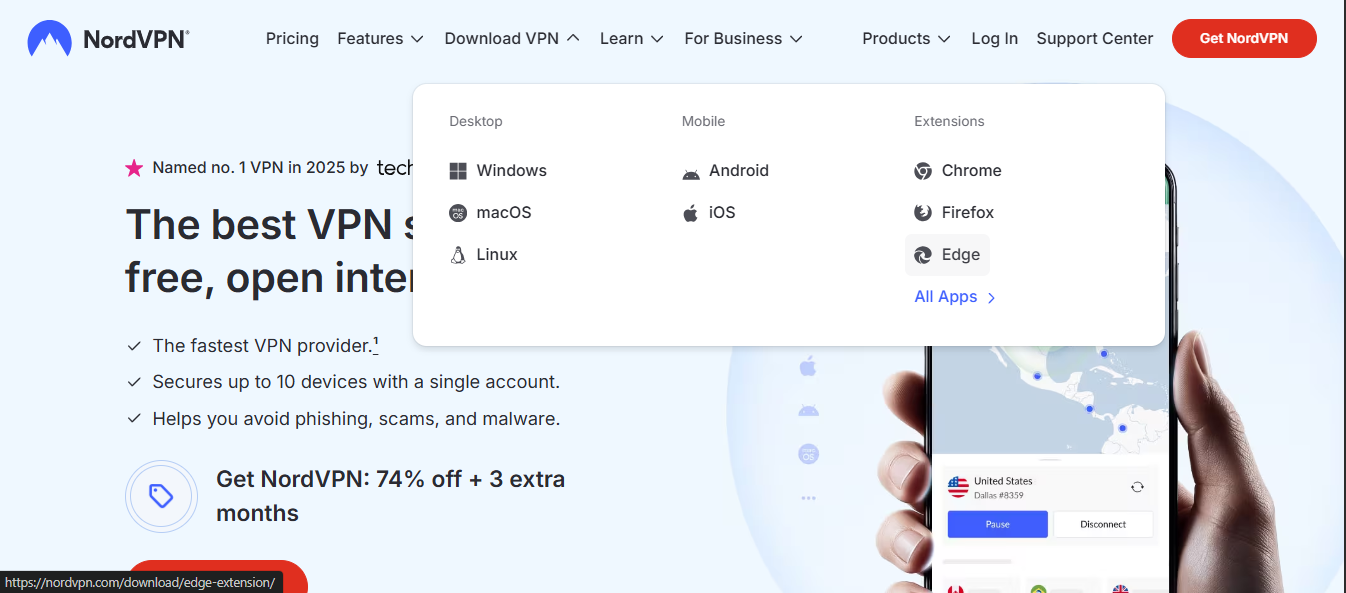
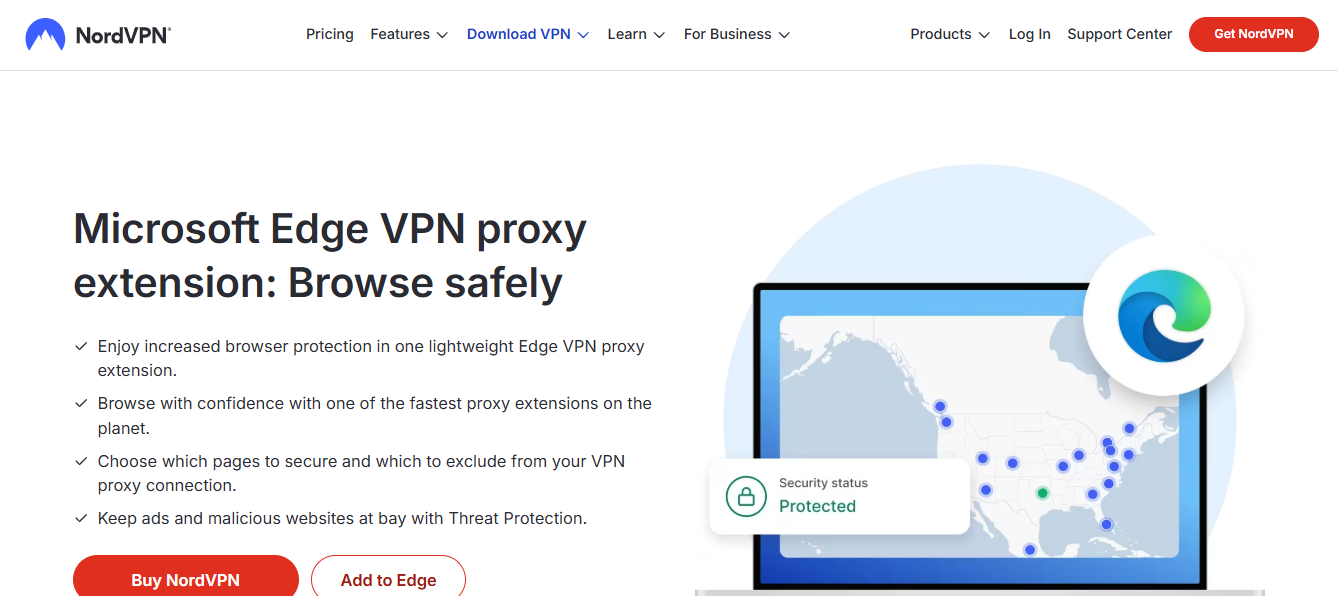
Vpn unlimited extension chrome — Quick fact: a reputable VPN extension for Chrome can encrypt your traffic, bypass geo-restrictions, and protect your data on public networks, all without slowing you down too much.
Vpn unlimited extension chrome is a topic that matters to anyone who uses the internet on laptops, tablets, or phones. If you want a simple, fast, and secure way to browse, this guide is for you. Here’s a concise roadmap you’ll get from this post:
- What a VPN extension for Chrome does and doesn’t do
- How to pick a trustworthy extension
- Step-by-step setup and everyday use tips
- Common pitfalls and how to avoid them
- Real-world scenarios where it shines
- Quick troubleshooting and FAQs
Useful URLs and Resources text only
- Google Chrome Web Store
- Wikipedia: Virtual private network
- Mozilla Support: VPNs and proxy extensions
- EFF: Privacy resources
- FCC consumer information
- Apple Support: VPN on iPhone and iPad
- Android Developers: Network security configuration
- ProtonVPN
- NordVPN
- ExpressVPN
- Surfshark
What a VPN extension for Chrome does
- Encrypts traffic between your browser and the VPN server, which helps keep your browsing private on public Wi‑Fi.
- Routes your Chrome traffic through a remote server to change your apparent location.
- Lets you access content that may be geo‑restricted, by networks recognizing your actual location.
- Adds a quick switch to turn the protection on or off directly in the browser.
Key limitations to know
- Many Chrome extensions only protect traffic from the Chrome app, not all other apps on your device.
- Some extensions are lightweight and don’t include a full VPN tunnel they may use a proxy instead.
- Not all extensions offer strong privacy guarantees; always check the provider’s policy and audits.
How to choose a reliable “Vpn unlimited extension chrome”
- Independent audits and transparent privacy policy: Look for providers that publish third-party audit results and explain data practices clearly.
- No-logs philosophy: If privacy matters, prioritize services that state they don’t log user activity.
- Speed and reliability: A good extension won’t dramatically slow you down; test with different servers.
- Kill switch and DNS leak protection: Features that prevent data leaks if the VPN disconnects.
- Compatibility: Ensure the extension works on your device and Chrome version.
- Easy account management: Clear options to upgrade, refund, or pause the service.
- Customer support: Quick responses to common questions and issues.
Comparison snapshot typical features
- Encryption: AES-256
- Protocols: WireGuard, OpenVPN, or proprietary fast protocols
- Server count: 20–1000+ servers worldwide
- Kill switch: Yes
- DNS leak protection: Yes
- Price: Varies by plan and length
- Simultaneous devices: 1–5+ per subscription
Step-by-step setup guide
- Choose a reputable provider and sign up
- Pick a service with strong privacy policy and independent audits.
- Start with a monthly plan if you’re testing; many providers offer a money-back guarantee.
- Install the Chrome extension
- Open Chrome Web Store and search for the provider’s extension.
- Click Add to Chrome and confirm permissions.
- Pin the extension to your toolbar for quick access.
- Log in and activate
- Open the extension, log in with your account, and toggle the VPN on.
- If offered, choose a server location. For streaming, pick a location close to you for better speed or a country where your content is available.
- Verify it’s working
- Visit a site like whatismyipaddress.com to confirm your IP shows the VPN server location.
- Check for DNS leaks using a trusted DNS leak test site.
- Enable advanced protections
- Turn on the kill switch so your traffic doesn’t spill if the VPN drops.
- Enable DNS leak protection if available.
- Optimize for your use case
- For streaming, try servers optimized for video.
- For work or school networks, pick servers in regions with fewer restrictions.
- Regular maintenance
- Update the extension when prompted.
- Review connected devices and revoke access if you no longer use a device.
Practical tips and best practices
- Use the VPN extension primarily for browser traffic; for full-device protection, consider a full VPN app or built-in OS VPN settings.
- Check for DNS leaks periodically, especially after updating Chrome or the extension.
- When traveling, avoid free or low‑cost options that may log data; paid services tend to have better privacy commitments.
- If you’re encountering buffering while streaming, try switching servers or protocols, or switch to a lower resolution to reduce bandwidth pressure.
- Read the privacy policy in plain language—look for what data is collected, how it’s stored, and how long it’s retained.
Security considerations you should not ignore
- Always download extensions from the official provider page in the Chrome Web Store to avoid fake extensions.
- Be mindful of phishing attempts: if you get unexpected prompts asking for credentials outside the official site, pause and verify.
- Browser extensions have permissions; only grant what’s necessary and revoke if you notice suspicious activity.
- A VPN extension protects your browser traffic, but it won’t inherently protect apps outside Chrome unless the VPN service provides system-wide protection.
Common use cases explained with quick examples
- Safe work on public Wi‑Fi: When you’re at a coffee shop or airport, the extension helps protect data like passwords and emails as you browse.
- Bypassing geo‑blocks for research: You can access regional content or test websites in different geographies without leaving the browser.
- Privacy boost during searches: While you use a search engine, your queries and results can be more private behind the VPN tunnel.
- Streaming and content access: If your library has content blocked in your country, connect to a different server to access it.
Performance and data about VPN extensions
- Typical speed impact: In many cases, a well‑tuned extension adds 5–20% latency and reduces throughput by 10–30% depending on server distance and congestion.
- Server distribution: More servers in diverse locations generally improve your options for speed and access.
- Privacy impact: A strong, audited policy reduces the risk of data logs and misuse.
Table: Typical VPN extension features by provider type
- Provider type: Free trial or paid
- Encryption: AES-256
- Kill switch: Yes/No
- DNS leak protection: Yes/No
- Simultaneous devices: 1–6
- Server count: 10–1000+
- Browser extensions supported: Chrome, Firefox, Edge
Troubleshooting common issues
- Issue: VPN won’t connect
- Check your internet connection, retry with a different server, restart the extension, or reboot the browser.
- Issue: Slow speeds
- Switch servers to a closer location or try a different protocol.
- Issue: DNS leaks
- Ensure DNS leak protection is enabled and re-check after restarting the extension.
- Issue: Web pages not loading
- Disable the VPN extension temporarily to determine if it’s a site issue or VPN issue.
- Issue: Your device shows multiple connections
- Review all installed clients and revoke access from old devices.
How to manage privacy and permissions
- Regularly review extension permissions and revoke any you don’t need.
- Use two-factor authentication 2FA for your VPN account to prevent unauthorized access.
- Keep your Chrome browser updated to minimize security flaws that could affect extensions.
- Consider enabling a password manager for strong, unique login credentials for your VPN account.
Advanced tips for power users
- Combine with a privacy‑first browser profile that blocks trackers and cookies for even more protection.
- Use split tunneling if the option is available; route only sensitive traffic through the VPN while leaving other traffic direct.
- Schedule automatic reconnects when you’re on unstable networks to maintain continuity.
- Use a dedicated VPN extension for Chrome while keeping a separate VPN client for system-wide protection if needed.
For developers and researchers
- If you’re testing sites from different geographies, a Chrome VPN extension helps simulate access without changing your whole device location.
- Ensure you’re compliant with terms of service for any sites you access while using a VPN.
Frequently Updated Trends and Data as of 2026
- Privacy audits: More providers publish third-party audit results in 2024–2026, increasing user trust.
- Browser integrations: Some extensions now offer tighter integration with browser privacy features and better detection of leaks.
- Speed optimization: Ongoing improvements in WireGuard‑based implementations are reducing typical slowdowns.
- Jurisdiction impact: Users are increasingly aware of data‑handling laws by country, impacting choice.
Quick-start checklist one-page
- Choose a trusted VPN provider with audits and clear policy
- Install the Chrome extension from the official store
- Create an account or log in
- Turn on the VPN and pick a server
- Verify IP and DNS status
- Enable kill switch and DNS leak protection
- Test streaming, browsing, and work tasks
- Review privacy settings and permissions
- Keep everything updated
Real-world scenarios and recommendations
- If you’re a student studying abroad and need access to country-restricted resources, connect to a local server during study hours.
- For journalists or researchers handling sensitive information, prioritize a provider with a strict no-logs policy and robust audits.
- If you frequently switch networks home, coworking, campus, enable auto-reconnect and keep a few reliable servers favorited.
A quick note on alternatives
- Proxies can be cheaper but often don’t offer encryption or leak protections.
- Full-device VPN apps provide system-wide protection but may require more configuration.
- Some browsers offer built-in protections or features that resemble a VPN, but these aren’t as comprehensive as a dedicated extension or app.
Best practices for staying safe online
- Use a strong, unique password for your VPN account and enable 2FA where available.
- Never download extensions from untrusted sources or third-party sites.
- Regularly audit your active devices and revoke access for anything you don’t recognize.
- Pair your VPN with other privacy tools like a privacy-focused browser and tracker blockers.
Maintenance and updates you should plan for
- Check for extension updates monthly and after major browser updates.
- Review provider policy and audit statements at least twice a year.
- Reassess server locations if your browsing needs change e.g., new streaming services or regional content.
Frequently Asked Questions
Is a VPN extension for Chrome enough to stay private online?
A VPN extension protects your browser traffic, but it doesn’t guard everything on your device. For full-device privacy, consider a desktop or mobile VPN app in addition to the extension.
Will a VPN extension slow down my browsing?
It can add some latency and reduce raw speed, but high‑quality providers optimize for performance. The impact varies by server distance, network congestion, and device specs. Vpn proxy operating system whats the difference and how they work together 2026
Can I use the Chrome extension with multiple devices?
Yes, most providers offer multi-device plans. You’ll typically sign in on each device to enable the extension.
Do VPNs log my activity?
Some providers log data; others have strict no-logs policies. Always read the privacy policy and look for independent audits.
Can I use a VPN extension for streaming?
Yes, many extensions offer servers optimized for streaming. If a server is slow, switch to another server or use one closer to you.
What is a kill switch and why do I need it?
A kill switch stops all browser traffic if the VPN disconnects unexpectedly, preventing data leaks.
How do I avoid DNS leaks?
Enable the extension’s DNS leak protection and test periodically with a trusted DNS leak test site. Vpn not working with sky broadband heres the fix 2026
Can I use split tunneling with a Chrome extension?
Some providers offer split tunneling, which lets you route only certain traffic through the VPN. Check if your extension supports it.
Are there risks using a free VPN extension?
Free options often come with slower speeds, limited servers, and potential privacy concerns. Paid plans typically offer better protection and reliability.
What should I do if the extension doesn’t work on a page?
First, disable other extensions that might conflict, then try a different server. If problems persist, contact support with screenshots and details.
How do I uninstall a VPN extension properly?
Open Chrome, go to extensions, remove the VPN extension, and clear any stored data if offered by the provider.
How can I verify the VPN is truly active?
Use a site like whatismyipaddress.com to confirm your IP location matches the server and check for DNS leaks with a dedicated test. Vpn on edge browser: how to install, configure, and optimize a VPN on Microsoft Edge for privacy, security, and streaming 2026
Vpn unlimited extension chrome: the ultimate guide to unlimited bandwidth Chrome VPN extensions for private browsing, streaming, and security in 2025
Yes, Vpn unlimited extension chrome refers to using a Chrome extension that provides unlimited VPN service. In this guide you’ll learn what it is, how it works, what to look for, how to install it, tips to stay safe, and practical use cases so you can make the most of your browser’s VPN experience. Here’s what you’ll get:
- A clear explanation of what “unlimited” means in a Chrome VPN extension and what it doesn’t guarantee
- How these extensions differ from full VPN apps and what that means for your device
- A practical, step-by-step setup guide to get you protected fast
- Real-world tips to maximize privacy, streaming reliability, and uptime
- Honest comparisons of top Chrome VPN extensions with unlimited data
- Common myths debunked and practical workarounds
- A handy FAQ with quick answers to the questions you’re actually asking
- Useful resources to stay updated on privacy, security, and browser VPN tech
To get started quickly, check out NordVPN Chrome extension deal here:
Useful resources un-clickable text for quick reference: Apple Website - apple.com, Artificial Intelligence Wikipedia - en.wikipedia.org/wiki/Artificial_intelligence, VPN basics - en.wikipedia.org/wiki/Virtual_private_network, How VPNs work - www.cloudflare.com/learning/security/vpn/, OpenVPN - openvpn.net, WireGuard - www.wireguard.com, Chrome Web Store - chrome.google.com/webstore, Privacy policies explained - www.eff.org/issues/privacy, Browser security guides - www.mozilla.org/privacy/firefox/
What is a Vpn unlimited extension chrome?
A Chrome VPN extension that’s billed as “unlimited” typically means you don’t pay per GB or per month for the browser traffic, and you can route as much browser data as you want through the service. In practice, you’re often looking at:
- A plug-in that encrypts and proxies only the traffic that goes through Chrome not necessarily your entire device’s traffic.
- Access to a network of servers, usually with multiple locations worldwide, to mask your IP and bypass geo-blocks for browser activity.
- A single subscription that covers unlimited browsing within the browser, plus the ability to switch servers anytime.
One of the big distinctions here is scope. A Chrome extension may provide unlimited browser traffic, but it does not always shield other apps on your computer like your email client, games, or background software. If you want complete device-wide protection, you’ll want a full VPN app in addition to, or instead of, a browser extension. Vpn connected but no internet heres how to fix it and practical steps to get back online fast 2026
- Features you’ll often see with these extensions: 256-bit AES encryption, automatic kill switch for Chrome traffic, WebRTC leak protection, DNS leak protection, split tunneling per-site or per-tab rules with varying support, and a choice of server locations.
- Important caveat: even with “unlimited” data, your experience can vary based on server load, distance, and your baseline internet plan. Real-world speeds can drop, especially when connecting to distant servers or congested networks.
In short, a Vpn unlimited extension chrome is a browser-focused tool that gives you private, unblocked browsing for all Chrome activity, with no data cap—provided by a reputable VPN provider.
How unlimited works in Chrome extensions
- Data limits vs. speed limits: “Unlimited” usually means there’s no data cap, not that there’s no impact on speed. You’ll still see latency and bandwidth changes depending on server distance and network conditions.
- Browser scope: Traffic from Chrome is routed through the VPN, but other apps on your computer may bypass it unless you’re using a full VPN app on the device.
- Server access: You’ll typically have access to many server locations. The more locations, the more geo-unblocking options you get, but some servers may be slower due to load.
- Encryption and protocols: Expect standard encryption often 256-bit AES and modern tunneling protocols like WireGuard or OpenVPN, which balance speed and security.
- Privacy policy and logs: Reputable providers may operate under strict no-logs policies, but always read the privacy policy. Some vendors log minimal data for performance improvements. others claim zero logs.
- Kill switch and DNS protection: A kill switch stops Chrome traffic if the VPN disconnects, and DNS protection prevents your DNS lookups from leaking.
Chrome extension vs full VPN app: what you need to know
- Scope of protection: A Chrome extension protects only the traffic that goes through your browser, not apps outside the browser. A full VPN app covers all network traffic on the device.
- Setup and usability: Extensions are quick to install and easy to toggle on/off per browser. Full VPN apps offer system-wide protection and features like per-network rules, which is great for work or gaming.
- Features: Full VPNs typically offer more advanced features split tunneling across apps, network-level kill switches, multi-hop, etc.. Browser extensions focus on convenience and browser privacy.
- Privacy considerations: If privacy and anonymity across all apps are critical, rely on a full VPN or run multiple layers, including the browser extension for Chrome traffic and a separate privacy setup for other programs.
- Use-case fit: For casual browsing, streaming in Chrome, and on-the-go privacy, a Chrome extension with unlimited data can be perfect. For work, downloads, or gaming, a full VPN app is usually the better bet.
What to expect in performance, privacy, and reliability
- Speeds: Expect some speed loss compared to your baseline connection, especially with long-distance servers. In nearby servers, many users report only modest reductions often in the 5–20% range. Over longer routes or crowded servers, drop-offs can be larger 20–50% or more in some cases.
- Latency: Gaming or real-time apps can be affected if the extension routes traffic through distant servers. If gaming is a priority, pick a nearby server and test latency first.
- Streaming: A lot of Chrome extensions work well for unblocking geo-restricted streaming sites when used from within the browser. If you’re streaming in a desktop app or console, a browser extension alone won’t help.
- Reliability: Server load and provider uptime matter. Reputable providers publish real-time server load data or offer quick server-switching to find the least congested route.
- Privacy protection: Look for a strong privacy policy, DNS leak protection, a kill switch, and a reputable security track record. Always run a quick DNS leak test after enabling the extension.
How to choose a Chrome extension with unlimited bandwidth
- Server network and locations: More servers in diverse locations give you better geo-unblocking options and faster local connections.
- Protocols and security: Look for modern protocols WireGuard or OpenVPN and strong encryption 256-bit AES. Check if the extension uses secure DNS and has a kill switch.
- No-logs policy: A clear, verifiable no-logs policy is essential. If a provider can’t prove it, treat it cautiously.
- Privacy posture and jurisdiction: Consider where the provider is based and legal obligations they face. Some jurisdictions have stronger data retention laws than others.
- Browser behavior: Confirm that the extension actually protects Chrome traffic and doesn’t just act as a proxy. Read user reviews about leaks, WebRTC handling, and real-world privacy.
- Price, trials, and refunds: Unlimited data is attractive, but make sure there’s a fair trial period and a refund policy if you’re not satisfied.
- Multi-device support: If you want coverage beyond Chrome, check whether the provider supports a full VPN app for your devices or if you’ll need separate services.
Top Chrome VPN extensions with unlimited bandwidth overview
Note: many reputable providers offer a Chrome extension that works with their main plan, delivering unlimited browser data for Chrome users. Here are a few well-known options to consider, focused on reliability, privacy, and ease of use:
- NordVPN: A strong, widely trusted option with a dedicated Chrome extension that complements the desktop app. It leverages modern protocols and a broad server network, with a robust privacy stance and a clear no-logs policy.
- ExpressVPN: Known for fast speeds and reliable unblocking, their Chrome extension works alongside their full app and supports streaming and privacy-focused features.
- Surfshark: Value-friendly with unlimited device support on a single subscription in many plans and a Chrome extension that covers Chrome traffic with strong encryption and privacy features.
- Windscribe: Offers a browser-oriented approach with a Chrome extension that handles browser traffic securely, plus a transparent privacy policy.
- Private Internet Access PIA: Long-standing provider with a Chrome extension that defends browser traffic, backed by a broad set of servers and configurable options.
- ProtonVPN: Focused on privacy and security, with solid encryption and a Chrome extension that can complement a full VPN setup.
If you want quick access to a reliable option and you’re curious about the current promo, NordVPN’s Chrome extension integration is a popular choice among users who want seamless setup and a familiar privacy baseline. Remember, the best choice depends on your location, streaming needs, and how much you value speed versus extra security features.
Step-by-step setup guide for a Vpn unlimited extension chrome
Choose a provider with a solid unlimited Chrome extension plan. Do a quick read of recent user reviews to confirm there are no persistent leaks and that you’re comfortable with the provider’s privacy stance.
Install the extension from Chrome Web Store: Vpn avantaje dezavantaje si tot ce trebuie sa stii in 2026
- Go to the Chrome Web Store
- Search for the provider’s VPN extension
- Click Add to Chrome and confirm
- Sign in or create an account:
- If you’re already a subscriber, log in with your existing credentials
- If not, choose a plan and sign up. Confirm you have an unlimited data option in the plan description
- Pick a server location:
- For streaming or bypassing geo-blocks, pick a country where the content is accessible or where latency is low
- If privacy is your priority, choose a country with strong privacy laws and limited data-retention requirements
- Enable the extension:
- Turn on the VPN for Chrome traffic
- Look for a “kill switch” or “WebRTC leak protection” toggle and enable it if your extension supports these features
- Run a quick test:
- Visit a site that shows your IP like whatismyipaddress.com and confirm the IP differs from your real one
- Run a DNS leak test to ensure your DNS queries aren’t leaking you’ll find free test sites online
- Configure extra options:
- Auto-connect on startup
- Per-site rules if you want certain sites to bypass the VPN
- Notifications, if you want to be alerted when connected or disconnected
- Monitor performance:
- If you notice buffering or lag, switch to a nearby server or a different protocol setting if available
- Recheck after system updates or browser updates, as these can affect performance
- Maintain privacy hygiene:
- Regularly update the extension and browser
- Review the privacy policy and ensure no unexpected data collection
- Consider turning off WebRTC when privacy is a priority many people do this in browser settings
- Optional: test on other browsers or devices:
- If you need coverage beyond Chrome, check whether the provider offers a standalone app for your OS or mobile device and repeat the setup there
Privacy, security, and usage tips for unlimited Chrome VPN extensions
- Prefer trusted providers with transparent privacy policies and independent audits when possible.
- Use the kill switch to prevent traffic leaks if the extension disconnects unexpectedly.
- Disable WebRTC or use a browser setting to prevent IP leaks when your extension is active.
- Enable auto-connect on startup so you’re protected as soon as you open Chrome.
- Use HTTPS everywhere and avoid insecure sites, even with the VPN on.
- Pair your Chrome extension with a full VPN app on devices where you need system-wide protection.
- Regularly check for DNS leaks and integrity of your IP and location data.
- Be mindful of free unlimited options. many free extensions have aggressive data collection practices or weak privacy protections.
- If streaming, test multiple servers to find one with stable speed and reliable unblock capability.
Common myths about Chrome VPN extensions and the real deal
- Myth: “Unlimited means I’m invisible online.” Reality: You’re still share-limited by the website’s security and the browser, and not truly anonymous. It helps hide your IP and encrypts data in transit, but leaves potential browser fingerprinting and account-based tracking intact.
- Myth: “Chrome extensions protect all apps on my computer.” Reality: Most extensions only secure Chrome traffic. If you want full device protection, you need a full VPN app or add-on for the entire OS.
- Myth: “All Chrome VPN extensions are equally private.” Reality: Privacy policies vary a lot. Some providers keep logs or use data for analytics. Always read the policy and choose a provider with a credible no-logs stance.
- Myth: “If it’s unlimited, there are no ads or data concerns.” Reality: Some free or cheaper options monetize through ads or data sharing. Stick to reputable, paid options if privacy matters most.
- Myth: “They’re all fast.” Reality: Speed depends on server load, distance, and your baseline connection. Nearby servers usually perform best.
Use cases: where a Vpn unlimited extension chrome shines
- Private browsing on public Wi-Fi: Encrypts Chrome traffic, reducing the risk of eavesdropping on coffee shops or airports.
- Bypassing geo-blocks for browser content: Access blocked shows, websites, or services available in other countries when using Chrome.
- Safe online shopping and banking: Adds a layer of privacy, especially on shared networks, and helps protect credentials entered in Chrome forms.
- Remote work and freelance tasks: Securely access company portals and protect data in browser-based tasks.
- Quick testing and web development: See how sites look from different regions without installing a full VPN on the device.
Data, studies, and practical numbers you can rely on
- Encryption standards: Most reputable VPN extensions rely on strong encryption like 256-bit AES, paired with widely used, audited tunneling protocols such as WireGuard or OpenVPN.
- Browser traffic scope: Chrome extensions typically secure only Chrome traffic. if you want system-wide protection, pair with a full VPN app.
- Performance expectations: Even with unlimited data, expect a speed penalty due to encryption overhead and server load. In many cases, you’ll see modest slowdowns on nearby servers, while farther servers can cause more noticeable latency.
- DNS and leak protections: Good extensions provide DNS leak protection and a kill switch. always verify these features after installation.
Frequently Asked Questions
What is a Chrome extension VPN?
A Chrome extension VPN is a software add-on for the Chrome browser that encrypts and routes the browser’s traffic through a VPN server. It’s designed for quick setup and easy use within Chrome, often providing unlimited data within the browser, but it may not cover other apps on your device.
Are unlimited bandwidth Chrome VPN extensions truly unlimited?
In most cases, yes—but “unlimited” usually means no data cap for browser traffic. Speed and server availability still depend on network conditions and server load. It doesn’t necessarily guarantee uniform performance across all sites or activities.
Can Chrome VPN extensions slow down my browsing?
Yes, usually. Encryption, server distance, and server load can cause slower speeds. If you notice significant lag, switch to a closer server, choose a lighter protocol option if available, or test different times of day.
Are Chrome VPN extensions safe to use?
Generally safe if you choose a reputable provider with a transparent privacy policy, strong encryption, and features like a kill switch and DNS protection. Avoid unvetted extensions that claim “unlimited” without clear privacy disclosures.
How do I install a Chrome VPN extension?
Open Chrome Web Store, search for the provider, click Add to Chrome, approve permissions, log in or create an account, choose a server, and toggle the extension on. Vpn proxy ovpnspider 무엇이고 어떻게 사용해야 할까요: 정의, 사용법, 보안 팁, 비교 가이드 그리고 실전 활용 전략 2026
Do Chrome VPN extensions protect my data on public Wi-Fi?
They protect the traffic that goes through Chrome, which helps on public networks. For full device protection, use a full VPN app on the device as well.
Can I stream geo-blocked content with a Chrome VPN extension?
Often yes, if the server is in a location that unblocks the content and the streaming service isn’t actively blocking VPN traffic. Test different servers to confirm.
Do Chrome extensions hide my IP?
Yes, they mask your public IP for Chrome traffic, making it appear as if you’re browsing from the server’s location.
What’s the difference between a Chrome extension and a VPN app?
A Chrome extension protects only Chrome traffic, while a VPN app can protect all network traffic on your device and offer additional features like system-wide split tunneling, dedicated kill switches, and cross-device syncing.
Should I use a free Chrome VPN extension if I want unlimited data?
Free options often come with limitations, slower speeds, and potential privacy concerns. Paid, reputable providers are typically a safer choice for privacy and performance. Vpn protocol comparison pptp vs l2tp vs openvpn vs sstp vs ikev2 explained 2026
How can I test for DNS leaks after enabling a Chrome extension?
Visit a DNS leak test site for example, dnsleaktest.com oriple.com to see which DNS servers you’re using and verify that they match your VPN’s servers rather than your local ISP.
Can I use Chrome extensions alongside a full VPN app?
Yes. If you want comprehensive protection, run the Chrome extension for browser traffic while using the full VPN app for device-wide protection, depending on your setup and provider capabilities.
What should I look for in a provider’s privacy policy?
Look for a clear no-logs commitment, details about what data is collected e.g., connection timestamps, IPs, or diagnostics, and whether third parties can access data for analytics or marketing. Also, check jurisdiction and legal obligations.
Final notes and recommendations
If you’re primarily concerned with immediate, browser-specific privacy and unblocking in Chrome, a reputable Chrome extension with unlimited browser data can be a solid choice. Always pair it with cautious browsing habits, stay informed about the provider’s privacy policy, and test performance across a few servers to find the balance between speed and access that works for you. If you need device-wide protection, consider adding the provider’s full VPN app or combining a high-quality Chrome extension with a trusted desktop/mobile VPN app.
Useful resources non-clickable for quick reference: VPN basics - en.wikipedia.org/wiki/Virtual_private_network. OpenVPN - openvpn.net. WireGuard - www.wireguard.com. Chrome Web Store - chrome.google.com/webstore. How VPNs work - www.cloudflare.com/learning/security/vpn/. Privacy policies explained - www.eff.org/issues/privacy. Browser security guides - www.mozilla.org/privacy/firefox/ Vpn verbindungsprobleme so bekommst du dein vpn wieder zum laufen 2026
Vpn工具推荐:完整评测与选购指南,含速度、隐私、解锁、性价比与设备兼容性