Vpn on edge browser: how to install, configure, and optimize a VPN on Microsoft Edge for privacy, security, and streaming 2026
'%2F%3E%3Ctext%20x%3D'50%25'%20y%3D'50%25'%20dy%3D'.35em'%20text-anchor%3D'middle'%20font-family%3D'-apple-system%2CBlinkMacSystemFont%2CSegoe%20UI%2Csystem-ui%2Csans-serif'%20font-size%3D'100'%20font-weight%3D'600'%20fill%3D'%23fff'%3ESU%3C%2Ftext%3E%3C%2Fsvg%3E)
Vpn on edge browser how to install configure and optimize a vpn on microsoft edge for privacy security and streaming is a practical guide to get you protected, private, and able to stream without annoying geo-restrictions. Quick fact: using a VPN with Edge can mask your IP, encrypt traffic, and help bypass regional blocks. Below is a straightforward, user-friendly guide that covers install steps, configuration options, optimization tips, and common pitfalls. It’s written for everyday readers who want real-world results, not tech jargon.
- Quick fact: A VPN on Edge protects your privacy by encrypting data between your device and the VPN server, and it can help you access streaming content from different regions.
- What you’ll get in this guide:
- Step-by-step installation for Edge extensions and desktop VPN apps
- How to configure for privacy, security, and performance
- Tips to optimize streaming without buffering
- Troubleshooting common issues
- A handy FAQ at the end
What you’ll need
- An active VPN subscription or a trusted free trial, though paid plans tend to be faster and more reliable
- Microsoft Edge browser latest version
- A basic understanding of what you want to protect privacy, security, or streaming access
Section overview
- Part 1: VPN options for Edge extension vs. desktop app
- Part 2: How to install a VPN in Edge as an extension
- Part 3: How to install and configure a VPN desktop app for Edge
- Part 4: Privacy, security, and streaming optimization tips
- Part 5: Troubleshooting and best practices
- Part 6: Frequently Asked Questions
Part 1: VPN options for Edge There are two main ways to run a VPN with Edge:
- Edge extension VPNs: Lightweight and easy to enable, but sometimes slower and may have limited features.
- Desktop VPN apps: More control, stronger encryption, kill switch, split tunneling, and system-wide protection. These work with Edge and other apps.
Part 2: How to install a VPN in Edge as an extension Step-by-step guide
- Choose a reputable VPN with a strong track record for Edge extensions look for no-logs policies, strong encryption, and reputable security audits.
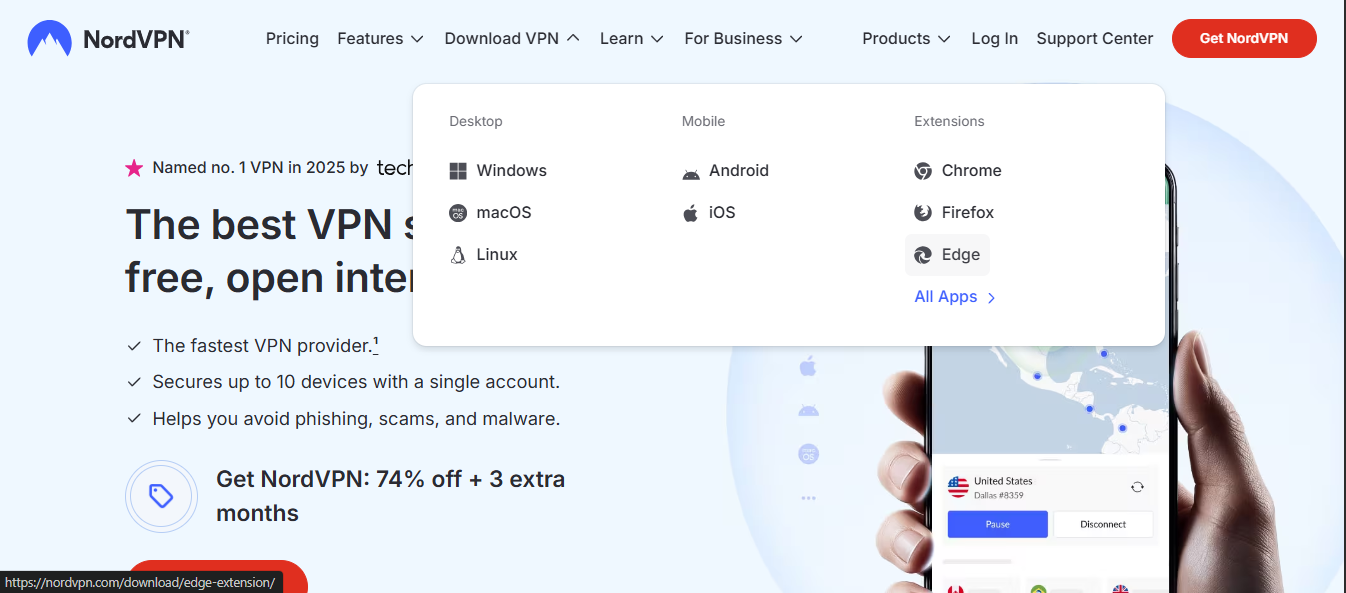
- Open Edge and go to the Edge Add-ons store edge://extensions/ or edge.google.com; use the Microsoft Edge Add-ons site.
- Search for your VPN’s extension for example, “NordVPN,” “ExpressVPN,” or “Surfshark”.
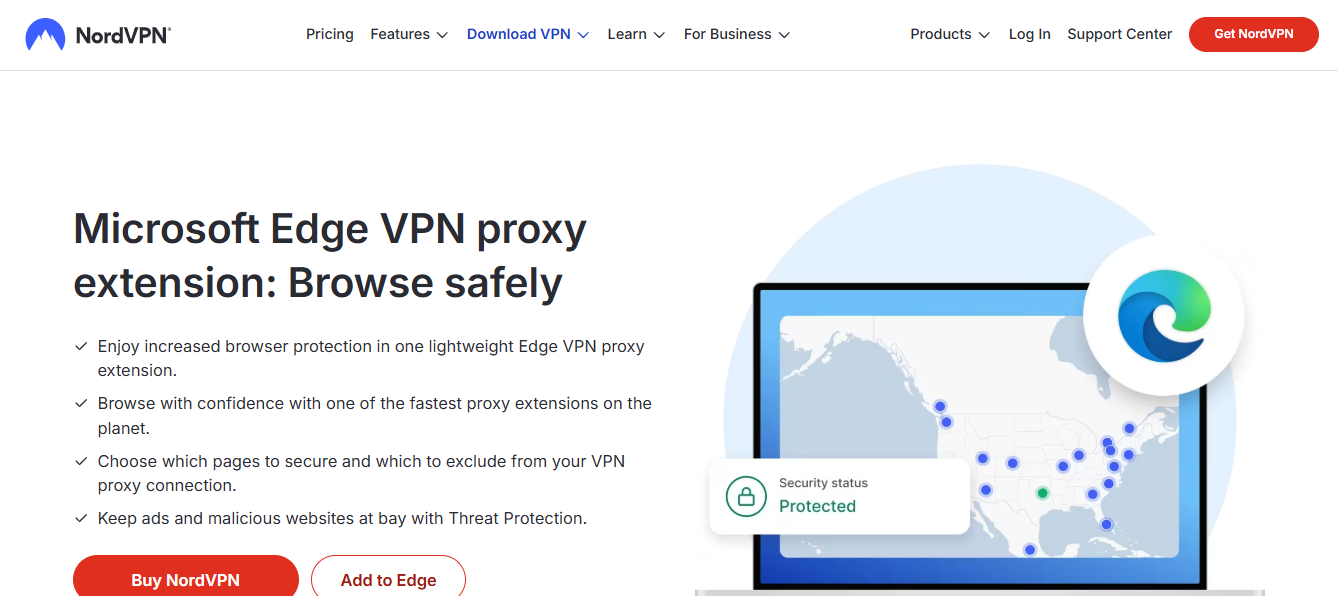
- Click Add to Edge, then confirm by clicking Add extension.
- The VPN icon will appear to the right of the address bar. Click it to sign in and connect.
- Choose a server location based on your needs privacy, speed, or a region for streaming.
- Test the connection by visiting a site that shows your IP e.g., whatismyipaddress dot com to confirm the VPN is active.
Tips for extensions
- Use a server close to your physical location for speed, unless you need a regional library for streaming.
- Enable the “Block WebRTC leaks” feature if available to prevent your real IP from leaking via WebRTC.
- Turn off the extension when you’re not using it to reduce potential performance hits.
Part 3: How to install and configure a VPN desktop app for Edge Sometimes a desktop app delivers better performance and features than a browser extension.
Step-by-step guide
- From your VPN provider, download the Windows desktop app or macOS if you’re on a Mac.
- Run the installer and follow on-screen prompts to complete the installation.
- Open the VPN app and sign in with your account.
- In the app, select a server location. For streaming, pick a location that matches the library you want to access.
- Enable features as needed:
- Kill switch: prevents traffic leaks if the VPN disconnects.
- DNS leak protection: prevents your DNS queries from leaking.
- Split tunneling: send only selected apps through the VPN; useful if you want streaming on one app but normal browsing on Edge.
- Open Edge and ensure it’s using the VPN connection the app often routes all traffic by default, including Edge.
- Verify VPN status by visiting a site that shows your IP and location.
Edge-specific tips
- If your VPN app doesn’t show up in Edge, ensure Windows networking is using the VPN interface and that the VPN service is configured to route Edge traffic.
- Some VPNs offer Edge-specific profiles or modes; explore those options if you want more control over how Edge behaves.
Part 4: Privacy, security, and streaming optimization tips Privacy and security
- Choose a no-logs policy: This reduces the chance of data retention if the provider is subpoenaed.
- Use strong encryption: AES-256 is the standard; ensure the VPN uses it.
- Enable the kill switch: This is essential for preventing data leaks if the VPN drops.
- Use DNS leak protection: Keeps your DNS queries private from your ISP.
- Update regularly: Keep Edge, the VPN extension, and the desktop app updated to patch vulnerabilities.
- Consider multi-factor authentication MFA for your VPN account for extra security.
Performance and streaming
- Choose servers optimized for streaming: Many providers label servers as “Streaming” or “Fast.”
- Test different servers: If one server buffers, switch to another nearby or well-rated for streaming.
- Enable protocol optimization: Some VPN apps offer WireGuard, IKEv2, or OpenVPN. WireGuard often offers better speed with strong security.
- Disable VPN for non-essential sites: Use split tunneling to route streaming and security-sensitive tasks through the VPN, while casual browsing bypasses it to save speed.
- Check your base connection: A strong base internet connection makes VPNs shine. If your Wi-Fi is weak, consider upgrading or using a wired connection when possible.
- Clear browser cache occasionally: Helps Edge run smoothly with extensions and apps.
Streaming tips
- Check library availability: Some streaming services block VPNs; if you can’t access content with a server, switch to a different location.
- Turn on DNS leak protection and kill switch to prevent leaks that could reveal your true location.
- Avoid VPNs that are explicitly blocked by streaming services; look for providers with a proven track record of unblocking content.
Security best practices
- Combine VPN with HTTPS: Always ensure the site uses HTTPS; the VPN protects data in transit, but HTTPS protects against man-in-the-middle in the application layer.
- Disable WebRTC leaks: WebRTC can reveal your real IP in some browsers; enable the feature in your VPN or Edge settings to mitigate this.
- Regularly review app permissions: Ensure that your VPN extensions do not request unnecessary permissions.
Section 5: Troubleshooting and best practices Common issues and fixes
- VPN won’t connect
- Check your account status and confirm your subscription is active.
- Reboot your computer and router.
- Try a different server location.
- Reinstall the extension or desktop app.
- Slow speeds
- Switch to a server closer to your location or one optimized for streaming.
- Use a VPN protocol that balances speed and security e.g., WireGuard.
- Check for other apps consuming bandwidth and pause them.
- DNS leaks detected
- Enable DNS leak protection in the VPN app.
- Change DNS settings to a trusted provider if the VPN doesn’t offer protection.
- Edge-specific issues
- Disable other extensions that might conflict with VPN functionality.
- Clear Edge cache and reset network settings if needed.
- Make sure the VPN extension is updated to the latest version.
Best practices
- Always test your IP and location after enabling the VPN.
- Use a good-quality VPN with a solid privacy policy and independent audits where possible.
- Keep Edge and any VPN software up to date to minimize security gaps.
- Consider a layered approach: VPN for privacy plus a privacy-focused browser profile in Edge to minimize tracking.
- If you’re streaming on multiple devices, ensure your subscription covers your number of devices and configure accordingly.
Section 6: Frequently Asked Questions
Is it safe to use a VPN on Edge browser?
Yes, using a reputable VPN with Edge helps protect your data on shared networks, masks your IP, and can help you access region-locked content. Always choose a trusted provider with strong encryption, a clear privacy policy, and a kill switch.
Should I use a VPN extension or a desktop app for Edge?
Desktop apps generally offer stronger security features, broader protection, and better performance. Extensions are handy and quick for light browsing, but may be less feature-rich and sometimes slower.
Will a VPN slow down my internet?
Sometimes, yes. It depends on the server you pick, the protocol used, and your base connection. Choosing nearby servers and efficient protocols like WireGuard often minimizes slowdowns.
Can I still stream with a VPN in Edge?
Many services support VPNs for streaming, but some services actively block VPNs. If a specific server blocks streaming, try other servers or switch to a desktop app with optimized streaming servers.
How do I prevent IP leaks when using a VPN in Edge?
Enable DNS leak protection, use the kill switch, disable WebRTC leaks, and ensure your VPN app/extension is up to date.
What is split tunneling and should I use it?
Split tunneling lets you send some apps through the VPN and others through your regular connection. It’s useful for streaming while leaving other apps to run normally.
Can I use a free VPN with Edge?
Free VPNs often come with limitations, such as slower speeds, data caps, and weaker privacy guarantees. If you value privacy and streaming quality, a reputable paid VPN is usually a better choice.
How do I test if my VPN is working correctly in Edge?
Visit a site that shows your IP and location e.g., whatismyipaddress dot com before and after connecting your VPN. Compare the results to ensure your real IP is masked.
How do I manage kill switch settings?
In the VPN app, find the security or privacy settings and enable the kill switch. Some apps let you choose which apps should be protected by the kill switch.
Can I use VPNs on multiple devices with one account?
Most providers support multiple devices. Check your plan limits and install the VPN app or extension on each device you want protected.
Useful URLs and Resources text only
- VPN provider official sites - example: nordvpn.com
- Edge browser help - support.microsoft.com/en-us/edge
- What Is My IP Address - whatismyipaddress.com
- Privacy tools and reviews - privacytools.io
- Independent security audits - dark web reports and vendor transparency pages
- Streaming service policy pages regarding VPNs - official streaming provider websites
- DNS leak test - dnsleaktest.com
- WebRTC leak test - browserleaks.com/webrtc
- Windows support - support.microsoft.com
- General cybersecurity best practices - en.wikipedia.org/wiki/Computer_security
Note: This guide combines practical steps with privacy-minded best practices to help you install, configure, and optimize a VPN on Microsoft Edge for privacy, security, and streaming.
Yes, you can use a VPN on Edge browser by installing a VPN extension from the Edge Add-ons store or by routing Edge traffic through a system-wide VPN. In this guide, you’ll learn how Edge users can pick the right VPN extension, set it up, optimize speeds, protect privacy, and troubleshoot common issues. We’ll cover practical steps, real-world tips, and a few edge-case scenarios so you don’t get stuck when you just want to browse securely.
- How to choose an Edge-compatible VPN extension and why it matters
- Step-by-step install and setup in Microsoft Edge
- Differences between Edge extensions vs. system-wide VPNs
- Tips for speed, streaming, and gaming without breaking protection
- How to verify you’re protected and troubleshoot leaks
- Privacy considerations and best practices for VPN use on Edge
- Common problems and quick fixes
- Edge-specific tips like per-site rules, split tunneling, and kill switches
- A practical checklist you can reuse for any browser VPN setup
- FAQ with practical answers you can use today
If you’re ready to dip your toes in right away, check out this deal: . This banner link is a quick way to grab a solid VPN with an Edge-friendly setup. NordVPN often updates their Edge-compatible extensions and provides per-app or per-site routing options that can be handy if you only want VPN protection for certain sites.
Useful URLs and Resources un clickable, plain text
- Microsoft Edge help and support: support.microsoft.com/en-us/microsoft-edge
- Edge Add-ons store: microsoftedge.microsoft.com/addons
- NordVPN: nordvpn.com
- ExpressVPN: expressvpn.com
- Surfshark: surfshark.com
- OpenVPN project: openvpn.net
- WireGuard project: www.wireguard.com
- WhatIsMyIPaddress VPN test: whatismyipaddress.com
- Wikipedia: en.wikipedia.org/wiki/Virtual_private_network
–
Why you’d want a VPN on Edge
Using a VPN with Edge isn’t just about hiding your IP. It’s about creating a secure tunnel for data that leaves your device, no matter what site or app you’re using. Here are the big wins:
- Privacy and anonymity online: A VPN masks your real IP and helps reduce the risk of your ISP or network administrators seeing your browsing patterns.
- Encryption for public Wi‑Fi: If you’re on coffee shop networks or airports, a VPN encrypts your data in transit, making it harder for attackers to intercept login credentials or payment info.
- Bypassing geo-restrictions: Some streaming libraries and region-locked sites are still sensitive to IP location. A VPN lets you appear from another country.
- Safe business or school browsing: If you’re on a managed network, a VPN can help protect your traffic from prying eyes while still obeying local policies as long as you use it responsibly and legally.
Top VPNs use strong encryption standards like AES-256, secure tunneling protocols OpenVPN, WireGuard, and features such as a kill switch and DNS leak protection. In practice, many users report a modest slowdown when connected to a VPN, usually between 5% and 30% depending on server distance, protocol, and your baseline connection speed. With Edge’s Chromium base, most modern VPN extensions run smoothly and don’t require you to leave the browser to stay protected.
Edge versus system-wide VPN: what’s the difference?
- Edge extensions: Install a VPN extension directly in Edge. This is convenient because you can toggle protection per browser window, and many extensions offer per-site routing or split tunneling. It’s great for people who primarily want browser traffic to be protected.
- System-wide VPN: You install a VPN app on Windows and route all traffic through the VPN, including Edge, other browsers, and apps. This is ideal if you want comprehensive protection or you’re using apps outside the browser.
- Per-app or per-site control: Some VPNs provide settings to route specific apps or sites through the VPN and exclude others. If you’re using Edge for work or streaming, this can be handy for managing bandwidth and access.
- Kill switch and DNS protection: System VPNs commonly include a robust kill switch that blocks all traffic if the VPN disconnects, and DNS leak protection. Edge extensions can offer similar features, but the depth varies by provider.
If you mainly browse and stream in Edge, an Edge extension plus a test routine to confirm leakage can be perfectly adequate. If you need more control for other applications, a system-wide VPN is a strong companion.
How to install a VPN extension in Edge step by step
- Open Microsoft Edge and go to the three-dot menu in the top-right corner.
- Choose Extensions, then click “Open Microsoft Edge Add-ons store.”
- In the store, search for your preferred VPN e.g., NordVPN, ExpressVPN, Surfshark that lists Edge/Chromium compatibility.
- Click Get or Add to Edge to install the extension.
- After installation, you’ll typically see the VPN icon appear in the address bar or extension toolbar.
- Click the extension icon, log in with your VPN account, and grant any permission prompts.
- Pick a server location and hit Connect.
- Verify your IP and location using a site like whatismyipaddress.com to confirm the VPN is active.
Tips:
- If you don’t see the extension you want in Edge, you can generally install a Chrome extension in Edge as Edge is Chromium-based. Look for the same provider’s Edge-compatible version in the Edge Add-ons store or use the Chrome Web Store Edge will load most Chrome extensions.
- Enable features like “block WebRTC” or DNS leak protection if your VPN offers them in the extension settings.
Using Windows VPN vs Edge VPN extensions: practical guidance
- When to use a system-wide VPN: If you want coverage across all programs and not just Edge, or if you need to secure background apps, a system-wide VPN is the better choice.
- When Edge extension is enough: If you want quick protection for browsing, reduce overhead, and you’re primarily concerned with your browser traffic, an Edge extension is the simplest route.
- Split tunneling: Some VPNs allow you to route Edge traffic through the VPN but leave other apps on your regular connection. This helps with speed for certain tasks while keeping security up for sensitive browsing.
Security features you should care about
- Kill switch: Prevents any data leakage if the VPN disconnects unexpectedly.
- DNS leak protection: Ensures DNS requests don’t reveal your real location.
- Strong encryption: AES-256 is standard. make sure your VPN supports it.
- No-logging policy: Check what the provider actually logs and for how long.
- Multi-hop routing: An advanced feature that routes traffic through multiple servers for extra anonymity not always necessary for everyday browsing.
Edge users should look for VPNs with a reliable kill switch and DNS leak protection in both the extension and the Windows VPN app if you’re using system-wide protection. Vpn connected but no internet heres how to fix it and practical steps to get back online fast 2026
Performance, streaming, and edge considerations
- Server proximity matters: The closer the server, the better the speed. If you’re streaming, pick nearby servers that support the service you want to access.
- Protocol choice: WireGuard-based protocols like NordLynx typically outperform OpenVPN on modern hardware, offering faster speeds with strong security.
- Network overhead: While VPNs add encryption overhead, you can mitigate slowdown by selecting lightweight servers during peak hours and turning on split tunneling if supported.
- Edge rendering and TLS: VPNs don’t typically affect Edge’s TLS/HTTPS behavior. you’ll still see https in the address bar and a padlock when appropriate, assuming no browser-level overrides.
Privacy considerations and best practices
- Read the privacy policy: Look for jurisdictions with data retention obligations and cross-border data-sharing rules.
- Prefer reputable providers: Paid VPNs with transparent policies generally offer stronger security guarantees and faster performance than free options.
- Update extensions and apps: Regular updates fix security vulnerabilities and improve compatibility with Edge.
- Use strong login credentials: Enable two-factor authentication if your VPN supports it.
- Combine with DoH/DoT carefully: Some VPNs offer their own DNS services or DoH/DoT options. understand how these interact with Edge’s own security features.
Troubleshooting common Edge VPN issues
- Extension not showing as connected: Try reloading Edge, signing out and back in to the VPN extension, or reinstalling the extension.
- Slow speeds: Switch to a closer server, change protocol if the extension supports it, or temporarily disable any hardware acceleration in Edge settings if it’s causing issues.
- DNS leaks: Run a DNS leak test and enable DNS leak protection in the VPN extension or Windows VPN app. If leaks persist, switch to a different DNS provider offered by your VPN.
- Edge crashes or freezes when VPN connects: Update Edge, update the VPN extension, and ensure there’s no conflicting antivirus or firewall blocking the VPN.
- Geo-restricted services blocking VPN: Try a different server location within the same country, or use per-site routing to access content through a specific location if your VPN supports it.
Edge-specific tips: fine-tuning for everyday use
- Per-site VPN rules: If you want certain sites to bypass the VPN like your work portal, use the extension’s per-site settings or split tunneling to exclude those sites.
- Polynomially reduce fingerprinting: While no browser can be 100% fingerprint-proof, using a VPN alongside Edge’s privacy settings reduces the data that can be used to uniquely identify you.
- DNS and IPv6 considerations: Disable IPv6 in Edge or rely on the VPN’s IPv6 handling if you notice leaks. Some VPNs offer IPv6 leakage protection. make sure it’s enabled if available.
- Regular checks: Periodically verify your IP, location, and DNS with trusted tests to ensure everything remains in good shape after updates.
Quick setup checklist for Edge VPN
- Choose a reputable Edge-compatible VPN extension or a robust Windows VPN app.
- Install and sign in to the VPN on Edge and/or Windows.
- Select a server optimized for your needs speed vs. access.
- Enable kill switch and DNS leak protection.
- Run a quick IP and DNS leak test to confirm protection.
- If streaming, test the service’s performance on a few servers.
- Enable per-site routing or split tunneling if you want selective protection.
- Keep Edge and the VPN software updated.
- Review the privacy policy and adjust settings to balance privacy and usability.
- Create a simple backup plan for when VPNs disconnect e.g., manual re-connect, kill switch, or a fail-safe server list.
Real-world scenarios: edge browser users in action
- A student who needs privacy on campus Wi‑Fi while accessing study resources can use an Edge extension to keep traffic encrypted without slowing down their other apps.
- A remote worker who uses Edge for most web work can rely on a system-wide VPN to protect all network activity, including email clients and collaboration tools.
- A streamer who wants to access regional catalogs can experiment with nearby VPN servers and Edge’s per-site rules to minimize impact on non-browsing tasks.
Frequently Asked Questions
Can I run a VPN directly inside Edge without any extensions?
A: Not exactly. Edge relies on extensions for browser-level protection. For full-system protection, run a VPN app on Windows so all traffic, including Edge, goes through the VPN.
What’s the simplest way to set up a VPN on Edge?
A: Install a reputable Edge-compatible VPN extension, sign in, select a server, and connect. Test with whatismyipaddress.com to verify the new IP.
Is a VPN extension as secure as a full VPN app?
A: It depends. Extensions can provide solid browser-level protection with less overhead, but system-wide VPN apps generally offer more robust protections and kill switches for all traffic.
Can I use a free VPN extension in Edge?
A: Free options exist, but they often come with limits, slower speeds, or data quotas. For reliable privacy and performance, a paid VPN from a reputable provider is usually a better choice.
How do I test for DNS leaks in Edge with a VPN?
A: Visit a DNS-leak testing site like dnsleaktest or whatismyipaddress while connected to the VPN and see if the DNS requests resolve to the VPN’s servers rather than your ISP’s. Vpn avantaje dezavantaje si tot ce trebuie sa stii in 2026
Can I split-tunnel Edge traffic while using a VPN?
A: Some VPN extensions and system apps support split tunneling, allowing you to route only Edge traffic through the VPN while leaving other apps on your regular connection.
Will a VPN slow down my Edge browsing?
A: Some slowdown is expected due to encryption and routing, but choosing nearby servers and a modern protocol like WireGuard can minimize the impact.
Which Edge extension provides the best balance of speed and privacy?
A: Reputable providers like NordVPN, ExpressVPN, and Surfshark typically offer well-optimized Edge extensions with strong privacy policies and fast servers. Your best bet is to test a couple of options to see which performs best for you.
How do I update my Edge VPN extension?
A: Edge usually updates extensions automatically, but you can check manually in Extensions > Manage extensions > Update. Also keep the VPN app on Windows up to date if you’re using a system-wide solution.
Can I watch streaming content on Edge with a VPN without getting blocked?
A: Some streaming services actively block VPNs, while others are more VPN-friendly. If you run into blocks, try a different server or protocol, and ensure the service allows VPN access in their terms of use. Votre adresse ip publique le guide complet avec nordvpn pour comprendre, masquer et sécuriser votre connexion en ligne 2026
Is Edge’s built-in privacy feature enough, or do I need a VPN?
A: Edge has privacy features, but a VPN adds encryption for data in transit and hides your IP, which is important on public networks or when you want to bypass geo-restrictions.
How often should I rotate VPN servers on Edge?
A: If you’re using the VPN for privacy or streaming, try a few servers every week or whenever you notice performance dips. Regular server changes can also help avoid IP blocks on streaming services.
Can I use a VPN for only certain Edge activities, like browsing but not downloads?
A: Yes, with per-site routing or split tunneling, you can protect specific sites or actions while leaving others direct.
Do VPNs log my activity when used in Edge?
A: Reputable providers publish a privacy policy detailing data handling. Look for no-logs commitments, independent audits, and jurisdiction transparency.
What happens if the VPN disconnects while I’m using Edge?
A: If you have a kill switch enabled, all Edge traffic will pause until the VPN reconnects. Without a kill switch, you may see a brief moment of unprotected traffic. Vpn not working on firestick heres how to fix it 2026
Are there Edge-specific privacy tricks I should know?
A: Turn on shield features like tracker blocking in Edge, enable Do Not Track where appropriate, and pair Edge privacy settings with a trusted VPN to maximize protection.
Avira vpn使用方法完整版教学与实操步骤