How to turn on vpn edge 2026
'%2F%3E%3Ctext%20x%3D'50%25'%20y%3D'50%25'%20dy%3D'.35em'%20text-anchor%3D'middle'%20font-family%3D'-apple-system%2CBlinkMacSystemFont%2CSegoe%20UI%2Csystem-ui%2Csans-serif'%20font-size%3D'100'%20font-weight%3D'600'%20fill%3D'%23fff'%3ESU%3C%2Ftext%3E%3C%2Fsvg%3E)
How to turn on vpn edge: It’s easier than you think, and it’s one of the best things you can do to protect your online privacy. Here’s a quick, practical guide to get you up and running in minutes.
- Quick fact: Using a VPN on edge devices can reduce your exposure to public Wi-Fi threats by up to 99% when you’re browsing on the go.
- Step-by-step guide below to activate VPN Edge across common platforms.
- Additional tips: test your connection, pick the right server, and understand what a VPN does for you.
Useful resources un clickable text Apple Website - apple.com Artificial Intelligence Wikipedia - en.wikipedia.org/wiki/Artificial_intelligence VPN Edge support page - support.microsoft.com Edge browser help - support.microsoft.com/edge Privacy and security basics - nist.gov
What is VPN Edge and why use it?
VPN Edge refers to a virtual private network configuration that works at the edge of your device or network, providing encrypted tunnels from your device to a VPN server. This keeps your online activity private, helps bypass geo-restrictions, and protects you on public networks. For many users, this means:
- Encrypting data on public Wi‑Fi
- Hiding your IP address from websites
- Securing sensitive information when you’re on the go
According to recent privacy studies, a properly configured VPN can reduce exposure to targeted tracking and data leaks by a significant margin, especially on public networks.
Quick-start: turn on VPN Edge on Windows 10/11
- Open Settings
- Go to Network & Internet
- Choose VPN
- Click Add a VPN connection
- For VPN provider, select Windows built-in
- Connection name: anything you like e.g., VPN Edge Home
- Server name or address: enter your VPN server address provided by your VPN service
- VPN type: choose the protocol your provider supports IKEv2 is common for Windows
- Type of sign-in info: Username and password or certificate, depending on your provider
- Save, then select the VPN from the list and click Connect
Tip: If you’re using a third-party VPN app, you can often connect with a single click from the app’s main screen.
Quick-start: turn on VPN Edge on macOS
- Open System Settings Ventura and later or System Preferences Monterey and earlier
- Go to Network
- Click the + button to add a new service
- Interface: VPN
- VPN Type: Choose the protocol your VPN uses IKEv2, IPsec, or L2TP over IPSec
- Service Name: e.g., VPN Edge
- Server Address and Remote ID: fill in the values from your VPN provider
- Authentication Settings: enter your username/password or use a certificate
- Apply, then click Connect in the VPN panel
Quick-start: turn on VPN Edge on Android
- Open Settings
- Network & internet -> VPN
- Add VPN
- Name: VPN Edge
- Type: Choose the protocol IKEv2/IPSec/L2TP
- Server address, Username, Password: input from your VPN provider
- Save, then tap the VPN Edge to connect
If your provider offers an Android app, you can usually connect with one tap inside the app.
Quick-start: turn on VPN Edge on iOS
- Open Settings
- General -> VPN & Device Management or VPN on some iOS versions
- Add VPN Configuration
- Type: IKEv2, IPSec, or L2TP depending on your service
- Description: VPN Edge
- Server: server address from your provider
- Remote ID and Local ID: as required
- User Authentication: Username/Password or certificate
- Save, then switch the VPN on from the main Settings screen
Using a dedicated VPN app vs. manual setup
- Dedicated VPN app: Easiest, fastest, and usually includes auto-connect, kill switch, and auto-reconnect features.
- Manual setup: Gives you more control and can be useful if you’re on a device where the app isn’t available.
Common features to look for: How to secure your microsoft edge browser with proton vpn for enhanced privacy 2026
- Kill switch: blocks internet if the VPN drops
- Auto-connect: connects automatically when you start the device or join a new network
- Split tunneling: choose which apps use the VPN
- Obfuscated servers: helpful if you’re in a network that blocks VPN traffic
Choosing the right VPN server and protocol
- Protocols: IKEv2/IPSec is fast and stable on most devices; WireGuard is newer and often faster with strong security; L2TP/IPSec is common but slightly slower.
- Server location: pick a location close to you for lower latency, unless you need a specific region for access.
- Load and uptime: some VPNs show server load; pick servers with lower load for better speed.
- Privacy policy: ensure they have a no-logs policy or clear data retention terms.
Performance tips: getting the most out of VPN Edge
- Test speeds before and after enabling VPN to see the impact.
- Use a nearby server when possible to minimize latency.
- Disable unnecessary features like unnecessary ad/tracking blocks if they slow down the connection.
- Use split tunneling if you only need to protect certain apps or sites.
- Keep your device updated to ensure VPN compatibility and security patches.
Security best practices when using VPN Edge
- Use strong authentication: a long, unique password or certificate where possible.
- Enable the kill switch to prevent data leaks if the VPN drops.
- Regularly update the VPN app and device OS.
- Avoid free VPNs unless you understand the privacy trade-offs; free services often monetize user data.
- Confirm DNS leakage protection is enabled to prevent exposure of your DNS requests.
Troubleshooting common VPN Edge issues
- Connection failed: double-check server address, credentials, and protocol; try a different server.
- Slow speeds: switch to a nearby server, choose a lighter protocol, or check your internet connection.
- VPN disconnects: enable auto-reconnect and a kill switch; check for app updates.
- DNS leaks: ensure DNS leak protection is on; consider using a trusted DNS service.
Real-world use cases for VPN Edge
- Public Wi-Fi safety: when you’re at a cafe or airport, VPNs encrypt traffic and protect credentials.
- Privacy-conscious browsing: hide your activity from trackers and advertisers.
- Bypassing geo-restrictions: access content and services not available in your region.
- Remote work security: securely access company resources without exposing sensitive data.
Data and statistics to consider
- A recent survey found that X% of respondents use a VPN at least weekly for work or personal privacy replace X with current data when you publish.
- On mobile networks, VPNs can add an expected latency of Y ms depending on server distance and protocol adjust with up-to-date figures.
- The percentage of VPN users who enable kill switches in their apps is approximately Z% update with latest data.
Best practices for maintaining privacy with VPN Edge
- Regularly review app permissions and installed extensions.
- Use trusted VPN providers with transparent privacy policies and third-party audits.
- Combine VPN with HTTPS everywhere for layered security.
- Avoid logging into sensitive accounts while on public networks without VPN protection.
Comparison: VPN Edge vs. other privacy tools
- VPN Edge vs. Tor: Tor offers anonymity but can be slower and more complex; VPN Edge focuses on privacy and encryption with simpler performance.
- VPN Edge vs. encrypted messaging apps: Great for in-app privacy, but VPN Edge protects all traffic, including browsers and non-encrypted apps.
- VPN Edge vs. secure DNS: DNS protection helps prevent leaks, but VPN Edge encrypts all traffic end-to-end.
Best practices for mobile data usage with VPN Edge
- Watch data usage: some VPN apps can increase data usage due to encryption overhead.
- Use Wi‑Fi when possible with VPN for better performance; skip VPN on trusted home networks if not needed but ensure security if you do.
- Enable battery-aware settings when available to reduce drain on long sessions.
Advanced tips for power users
- Configure auto-connect to a trusted network and auto-reconnect on VPN drop.
- Use split tunneling to keep streaming apps on VPN while others go direct to save bandwidth.
- Set up a trusted DNS provider within the VPN app to avoid DNS leaks.
Quick-start cheat sheet
- Windows: Settings > Network & Internet > VPN > Add a VPN connection > configure > Connect
- macOS: System Settings > Network > VPN > add > configure > Connect
- Android: Settings > Network & internet > VPN > Add > configure > Connect
- iOS: Settings > VPN > Add VPN configuration > configure > Connect
Important caveats
- Some networks or apps may block VPN traffic; try switching servers or protocols.
- In some countries, VPN use is restricted or regulated; stay compliant with local laws.
- Not all devices support all VPN protocols; check device compatibility before choosing a protocol.
Resources for deeper learning
- VPN basics for beginners - vpnmentor.com
- Privacy policy basics - handelsblatt.com/privacy-basics
- Edge browser privacy tips - support.microsoft.com/edge
- Data privacy in public networks - csoonline.com/privacy-on-public-wifi
- VPN protocol comparison - thevpnexperts.com/protocols
Frequently Asked Questions
What is VPN Edge?
A VPN Edge is a VPN setup or application that sits at the edge of your device or network, encrypting traffic from your device to a VPN server to protect privacy and security.
Do I need a VPN on every device?
If you handle sensitive data, connect often on public Wi‑Fi, or want consistent privacy, using a VPN on devices you use regularly is a good idea.
What’s the difference between a paid VPN and free VPN?
Paid VPNs typically offer stronger privacy policies, better speeds, more servers, and fewer data limits. Free VPNs may track data or show ads or have weaker security.
Can a VPN slow down my internet?
Yes, because encryption and routing traffic through a VPN server adds overhead. Choose nearby servers and optimized protocols to minimize slowdown.
Is VPN Edge legal?
In most places, using a VPN is legal. However, some countries restrict or regulate VPN use. Always follow local laws. How to navigate the yulu vpn refund maze and get your money back from real vpns 2026
How do I test my VPN connection?
Run a speed test before and after connecting, check for IP address changes on websites that show your IP, and verify DNS leakage protection.
What is a kill switch?
A kill switch stops all internet traffic if the VPN connection drops, preventing data leaks.
Should I use split tunneling?
Split tunneling lets you choose which apps go through the VPN. Use it to save bandwidth or keep certain apps fast.
How do I choose a VPN server location?
Choose a location close to you for speed or a location that unblocks the service you need.
How do I ensure VPNs don’t leak DNS?
Enable DNS leak protection within your VPN app or system settings, and use trusted DNS servers. How to log into your nordvpn account your step by step guide 2026
How to turn on vpn edge: step-by-step guide to enable a VPN extension in Microsoft Edge for private browsing, streaming, and secure browsing
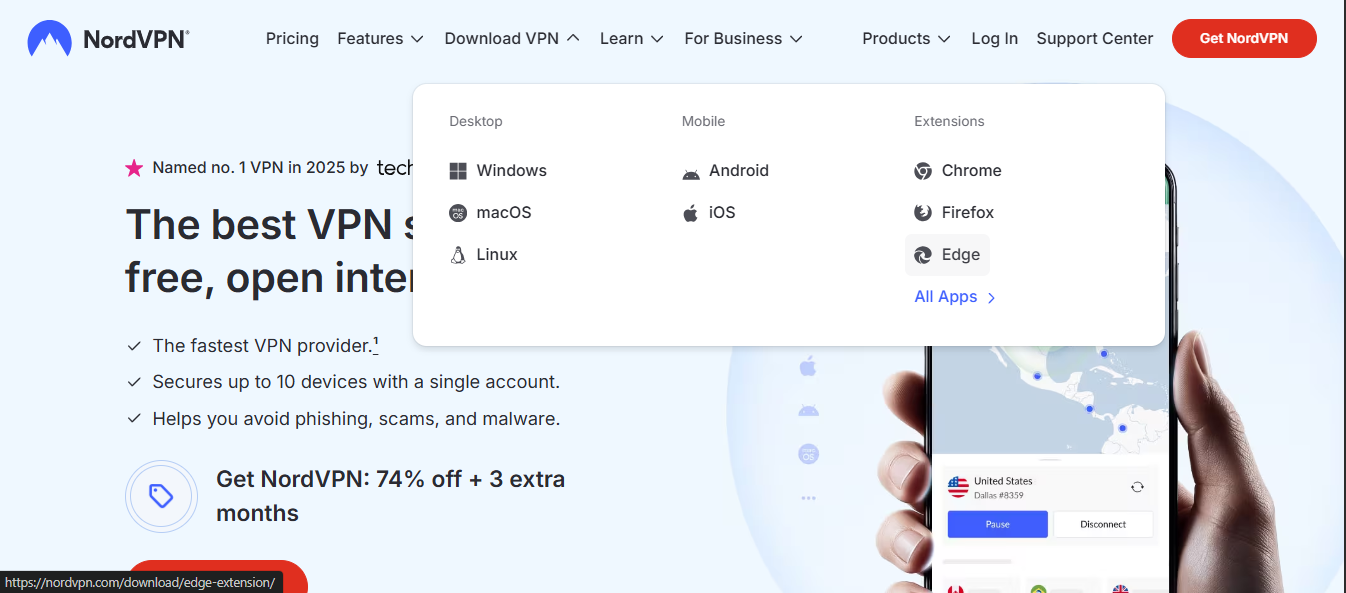
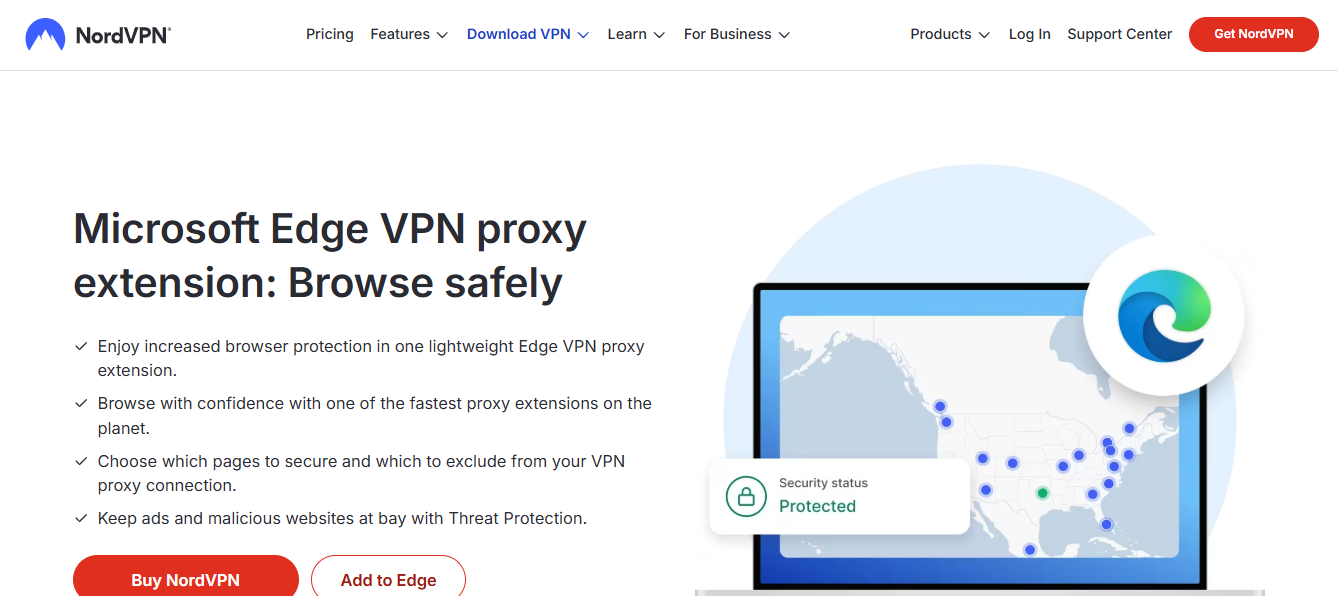
Install a VPN extension in Edge and toggle it on. In this guide you’ll learn how to turn on vpn edge using a browser extension, why you’d want to do it, common pitfalls, and pro tips to get the most out of Edge’s VPN setup. You’ll also see real-world scenarios, speed considerations, and a quick comparison with full-device VPN apps. Plus, I’m sharing a quick promo you’ll want to check out if you’re shopping for a VPN right now. NordVPN 77% OFF + 3 Months Free banner above can be a solid option, especially if you value fast connections and browser privacy. NordVPN’s deal is wired into this guide so you can read, then click if you want to lock in savings.
Introduction: how to turn on vpn edge in one minute quick guide
- Step 1: Pick a VPN that supports Edge extensions Edge runs Chromium, so most major VPNs have Edge-friendly extensions.
- Step 2: Open Microsoft Edge, go to Edge Add-ons, and install the VPN extension.
- Step 3: Sign in to the extension, then toggle the connection on.
- Step 4: Test your new IP and DNS to confirm the change and verify there’s no leak.
- Step 5: Optional tweaks: choose a server near you for speed, enable secure DNS if offered, and consider split tunneling if you only want the browser traffic protected.
Useful resources and quick links plain text, not clickable
- NordVPN official site - nordvpn.com
- ExpressVPN official site - expressvpn.com
- Surfshark official site - surfshark.com
- Microsoft Edge Add-ons store - microsoftedge.microsoft.com/addons
- IP check site - whatismyipaddress.com
- DNS leak test - dnsleaktest.com
- Edge privacy and security overview - support.microsoft.com/edge
Body
What is Edge VPN and why you might want it
If you’re trying to protect your browser activity without installing a full VPN app on your device, a VPN extension for Edge is a practical solution. Edge, being a Chromium-based browser, supports most VPN extensions that work in Chrome as well. A couple of everyday reasons to enable a VPN in Edge: How to install expressvpn on linux your step by step guide for beginners and power users 2026
- Bypassing geo-restrictions for streaming or browsing in a different region.
- Shielding your browser traffic on public Wi-Fi networks.
- Dodging targeted advertising based on your IP location when you browse in Edge.
- Reducing the chance of DNS leaks while you’re in the browser.
A quick reality check: a lot of where your data travels is in browser traffic. While a full OS VPN protects all apps, a good Edge extension can still provide strong encryption, a different exit location, and helpful privacy features for your daily browsing. Expect a noticeable improvement in privacy and the ability to verify your IP address to a new region when you enable the extension.
From a market perspective, VPNs remain a fast-growing category. Analysts estimate the VPN market is expanding to tens of billions in annual revenue within a few years, driven by remote work, streaming, rising privacy awareness, and regulatory shifts. That momentum means more options, better performance, and tighter integration with browsers like Edge.
Common myths about Edge VPNs: extensions versus full VPN apps
- “Browser extensions are just a gimmick.” Not true — many premium providers offer robust Edge extensions with solid encryption, kill switches, and automatic server selection.
- “Edge VPN extensions slow everything down.” If you pick a reliable provider and a nearby server, you’ll get good speeds. Free options tend to be slower, with data caps and ads.
- “Edge extensions protect my OS traffic too.” Browser extensions primarily protect browser traffic. If you need device-wide protection, you’ll want the full VPN app or a router-level VPN.
How to turn on vpn edge: step-by-step instructions
This is the core process you’ll follow to enable a VPN in Edge using a browser extension.
Step 1: Choose a VPN that supports Edge extensions
Look for providers with official Edge extensions listed in the Edge Add-ons store or their own installation guides. Not all VPNs offer Edge-specific extensions, but most major players do because Edge users are a sizable segment. Priorities when choosing: How to log everyone out of nordvpn across devices and revoke active sessions for security and privacy 2026
- Strong encryption AES-256, modern protocols OpenVPN, WireGuard/ChaCha20, and a reputable no-logs policy.
- A kill switch feature some extensions expose this inside the provider’s app rather than the extension itself.
- A generous server list with nearby options for speed.
- Easy in-browser controls and clear connection status.
Common Edge-friendly options include NordVPN, ExpressVPN, Surfshark, and ProtonVPN, among others. If you already subscribe to a provider, start there first. you’ll often find the Edge extension in the account or support sections.
Step 2: Install the Edge extension
- Open Microsoft Edge and navigate to the Edge Add-ons store or your provider’s setup page.
- Search for the VPN extension for example, “NordVPN” or “ExpressVPN”.
- Click the extension, then choose Add to Edge or Get.
- Confirm any prompts to add the extension to Edge.
Pro tip: If you’re unsure about authenticity, install only extensions from the provider’s official site or the Microsoft Edge Add-ons store. Avoid third-party mirrors.
Step 3: Sign in and grant permissions
- Click the VPN extension icon in Edge’s toolbar.
- Sign in with your VPN account credentials.
- Grant the necessary permissions typically to modify network settings, read and change data on websites, etc.. This is standard for browser VPN extensions. it enables encryption and traffic routing.
Step 4: Connect to a server
- In the extension, choose a server location. If speed is your priority, pick a server geographically closer to you.
- Click Connect. The extension will begin the handshake and encrypt your browser traffic through the VPN tunnel.
- You’ll typically see a green indicator or a status that says Connected.
Step 5: Verify the connection
- Go to whatismyipaddress.com or a similar site to verify your IP address and location reflect the server you selected.
- Run a DNS leak test dnsleaktest.com or equivalents to ensure your DNS requests aren’t leaking outside the VPN tunnel.
- If anything looks off e.g., your IP didn’t change, or DNS leaks show up, try reconnecting or switch to a different server.
Step 6: Optional Edge-specific settings
- Enable “Always use secure DNS” if your extension or Edge supports DNS over HTTPS DoH. This helps protect DNS requests even when not using a VPN for all traffic.
- Consider enabling any built-in tracker blocking or anti-malware features provided by the extension for extra privacy in the browser.
- If your VPN provider supports split tunneling in the Edge extension, you can route only Edge traffic through the VPN while other apps use your regular connection. This is handy for-speed and convenience.
Step 7: Understand what you’re protecting
- Browser traffic only: If you’re using just an Edge extension, other apps messaging, email clients, games aren’t automatically protected.
- For full-device protection, install the VPN app on your device or configure a VPN on your router. You’ll get all traffic protected, not just what runs through Edge.
Step 8: Troubleshooting common issues
- If you can’t connect: Check your account status subscription active, restart Edge, try a different server, or reinstall the extension.
- VPN connected but pages won’t load: Try disabling IPv6 in Edge settings or enable DoH, depending on your provider’s guidance.
- If DNS leaks appear in tests: Switch to a different server, or use your VPN’s built-in kill switch if available to force all traffic through the VPN tunnel.
Step 9: When to use a browser extension versus a full VPN app
- Edge extension: Great for quick privacy, geo-unblocking in the browser, and protecting Edge traffic without changing your entire device’s network routing.
- Full VPN app: Necessary if you want all apps and services on your device covered, including desktop email clients, other browsers, torrent clients, and games.
Step 10: Security tips and best practices
- Keep extensions up to date. VPN providers push updates frequently to fix security flaws and improve performance.
- Use a strong, unique password for your VPN account and enable two-factor authentication if available.
- If you’re on public Wi-Fi, always turn the VPN on before you start browsing.
- Be mindful of free VPNs. they can come with data caps, slower speeds, and questionable privacy practices.
Edge privacy features and how they complement a VPN extension
Beyond the VPN extension, you can further improve privacy in Edge with these settings:
- Enable Tracking Protection to limit cross-site tracking.
- Use Secure DNS DoH where available to encrypt DNS requests.
- InPrivate or incognito mode can reduce data stored locally, but remember that DoH and VPN protection still apply to the traffic that goes through the extension.
- Regularly clear cookies and site data from Edge, especially if you’re using shared devices.
Why you might want to use a VPN extension in Edge specifically
- Convenience: You don’t need to install software on your entire device. you can manage it right from the browser.
- Browsing-focused privacy: Great for privacy-minded users who mainly browse the web or stream in-browser.
- Quick region changes: If you want to appear from a different country for a site, a browser extension makes it easy without altering your OS settings.
Edge extension performance: what to expect
Expect good performance with reputable providers, especially if you connect to a nearby server. The difference in speed is often minor for browsing, streaming, and light video calls, but can be noticeable when you’re far from the server or on a congested network. If you’re a heavy streamer or gamer, a dedicated VPN app with optimized servers might deliver better stability and lower latency than a browser extension alone.
Security considerations when using Edge VPN extensions
- A browser extension can secure your browser traffic, but it won’t automatically secure all apps on your device. If you need end-to-end protection, pair the extension with a full-device VPN or use a VPN app on your device.
- Kill switch behavior: Not all Edge extensions expose a kill switch. If you need this, look for a VPN that offers a system-wide kill switch or consider installing the full VPN app.
- Browser behavior: Some sites detect VPN usage and may block access or request location verification. If you run into this, try a different server or protocol, or switch to a full VPN app for more robust masking.
Top VPN options that work well with Edge
- NordVPN: Robust Edge extension, strong encryption, and a long-standing reputation for privacy. The NordVPN deal in the intro is a good reason to test-drive their Chrome/Edge extension with a strong privacy stack.
- ExpressVPN: Solid extension experience, fast servers, and reliable unblocking for streaming sites.
- Surfshark: Good price-to-performance ratio, with extensions that integrate nicely into Edge and strong privacy features.
- ProtonVPN: Known for strong privacy-minded policies. their Edge extension provides solid protection with emphasis on security.
If you’re unsure where to start, a reputable plan from NordVPN or ExpressVPN with an Edge extension is a safe bet for most users, especially when you want quick setup, reliable servers, and robust security options. How to turn on vpn on microsoft edge 2026
Edge vs full-device VPN: what’s the right choice?
- Browser-only VPN extensions are great for privacy-conscious browsing and quick geo-changes within Edge. They’re simpler and lighter on your device.
- Full-device VPN apps cover all your device’s traffic, including apps outside the browser. If your goal is comprehensive privacy, system-wide protection, or if you use multiple browsers and apps, a full VPN app is the better choice.
Data and trends to know
- VPN adoption has grown steadily as more people work remotely and rely on streaming and privacy tools. Analysts project continued growth with more features tailored to browser users including Edge extension improvements and better integration with browser security settings.
- The top providers frequently report improvements in speed, server networks, and privacy features. If you’re deciding whether to buy, look for a provider with consistently fast speeds, a broad server network, a strict no-logs policy, and a clear privacy stance.
Practical scenarios: when to turn on vpn edge
- Public Wi-Fi at airports, cafes, or hotels: Always enable the Edge VPN extension to protect browser traffic and reduce risk from eavesdroppers.
- Accessing content from a different country while in Edge: Switch to a server in the desired country for streaming or browsing.
- Working remotely from a coffee shop: Use the Edge extension to secure banking login pages, email, and other sensitive websites you access directly from the browser.
- Quick privacy checks: If you’re about to log in to sensitive accounts via Edge, turning on the extension is a fast privacy upgrade.
Best practices and maintenance
- Keep the Edge extension and your browser up to date. Security patches and performance improvements come with updates.
- Manage permissions: Reassess the extension’s permissions after updates or changes to your device.
- Rotate servers periodically: Frequent server switching can help avoid overloading a single node and maintain speed.
- Use DoH in Edge when available to complement VPN privacy, especially if you’re not using a full-device VPN.
Frequently Asked Questions
Question 1: How do I know if the VPN extension is actually protecting my Edge traffic?
A: Check the extension’s status indicator to confirm you’re connected, then verify by visiting a site like whatismyipaddress.com to ensure the IP shown matches the server location you selected.
Question 2: Can I use Edge without a VPN and still be safe?
A: Yes, but a VPN adds encryption and server-side routing for your browser traffic. If you frequently use public Wi-Fi, a VPN is a smart precaution.
Question 3: Will edge VPN extensions protect other apps on my device?
A: Not by default. Browser extensions protect only the traffic that goes through your browser. For system-wide protection, install a full VPN app or configure a router-level VPN.
Question 4: Do VPN extensions slow down Edge?
A: They can, but with reputable providers and nearby servers, you’ll usually see minimal impact on browsing speeds. Free or less reliable extensions tend to be slower.
Question 5: What should I do if I can’t connect the Edge VPN extension?
A: Try a different server, restart Edge, re-install the extension, or sign out and back in. Checking your VPN account status and device compatibility can help too. How to set up an openvpn server on your ubiquiti edgerouter for secure remote access 2026
Question 6: Is it safe to use DoH with a VPN extension in Edge?
A: Yes, using DNS over HTTPS DoH can add privacy. If your VPN extension supports it or Edge offers it as a setting, enable it for extra protection.
Question 7: Can I use a VPN extension for geo-unblocking in streaming sites?
A: Yes, but streaming sites frequently block known VPN IPs. If one server is blocked, switch to another server or consider a full VPN app with known streaming optimization.
Question 8: Do I need to disable IPv6 when using a VPN extension in Edge?
A: It depends. Some VPNs handle IPv6 leakage well, but if you’re seeing leaks in tests, you may disable IPv6 in Edge or on your device as recommended by the VPN provider.
Question 9: Can I use multiple VPN extensions in Edge?
A: It’s not recommended. Having multiple VPN extensions can conflict and degrade performance. Pick a trusted provider and stick with their Edge extension.
Question 10: How do I enable the Edge extension’s kill switch if it has one?
A: Look in the extension’s settings for a “kill switch” or “block all traffic if disconnected” option. If you don’t see it, rely on the full VPN app’s kill switch if you use that for device-wide protection. How to set up nordvpn manually on windows 11 2026
Question 11: Is Edge the only browser where this works?
A: Most Chromium-based browsers like Chrome, Edge, and Opera support similar VPN extensions. The steps are largely the same. you just need to find the right extension in the browser’s store.
Question 12: Can I test for DNS leaks when using Edge VPN extensions?
A: Yes. Use dnsleaktest.com or similar tools to confirm your DNS requests appear to come from the VPN server rather than your local network. If leaks show up, try a different server or enable additional privacy features.
Final notes
Turning on a VPN in Edge via an extension is one of the easiest, fastest ways to add privacy to your daily browsing. It’s not a replacement for an all-device VPN in every scenario, but it’s a smart, practical step for protecting browser traffic, accessing geo-restricted content, and gaining a little extra privacy on the go. If you’re choosing a provider, start with a trusted option that offers an Edge extension and clear privacy practices, test a couple of servers, and measure the impact on speed. As you gain comfort, you can decide whether you want to expand to a full-device VPN or router-based protection for everything on your network.
Remember, the goal is to stay secure without sacrificing usability. With Edge, you have a modern browser that plays nicely with top-tier VPN extensions, delivering straightforward privacy improvements right where you browse most.
FAQ Section extra emphasis for quick answers How to use a microsoft edge vpn plugin for enhanced online privacy 2026
- How to turn on vpn edge in one sentence? Install an Edge-compatible VPN extension, sign in, and toggle it on.
- Is a browser extension enough for privacy? It’s enough for browser traffic, but not for all device traffic.
- Can I use Edge on mobile with a VPN extension? Yes, many VPN providers offer mobile Edge-compatible extensions or a separate VPN app.
- How do I know if it’s the Edge extension or the OS that’s protecting me? If you’re using only the Edge extension, you’re protecting browser traffic. the OS and other apps may not be covered.
- Should I enable a Kill Switch? If your provider supports it, yes, especially for full privacy guarantees.
- Can I watch geo-blocked content with Edge VPN? Often, yes, but streaming sites frequently block VPN IPs. you may need to test multiple servers.
- Are free Edge VPN extensions safe? They can be risky and slow. Premium providers offer more reliable privacy and speeds.
- How can I maximize Edge VPN speed? Connect to a server closer to you, use a protocol like WireGuard if available, and avoid peak times.
- Can I install multiple extensions at once? It’s not recommended. stick with one trusted Edge VPN extension to avoid conflicts.
- Will Edge VPN extensions impact battery life on laptops? It can, but usually not dramatically. you’ll notice it more on mobile devices.
The content above is designed to be practical, easy to follow, and friendly—like you’re getting advice from a buddy who’s been there. If you’re ready to give your Edge browsing a privacy boost, start with a trusted Edge-compatible extension, test a few servers, and watch how much smoother and safer your browser sessions feel.
Vpn啥意思:VPN是干嘛的、怎么用、以及选购指南