How to use a microsoft edge vpn plugin for enhanced online privacy 2026
'%2F%3E%3Ctext%20x%3D'50%25'%20y%3D'50%25'%20dy%3D'.35em'%20text-anchor%3D'middle'%20font-family%3D'-apple-system%2CBlinkMacSystemFont%2CSegoe%20UI%2Csystem-ui%2Csans-serif'%20font-size%3D'100'%20font-weight%3D'600'%20fill%3D'%23fff'%3ESU%3C%2Ftext%3E%3C%2Fsvg%3E)
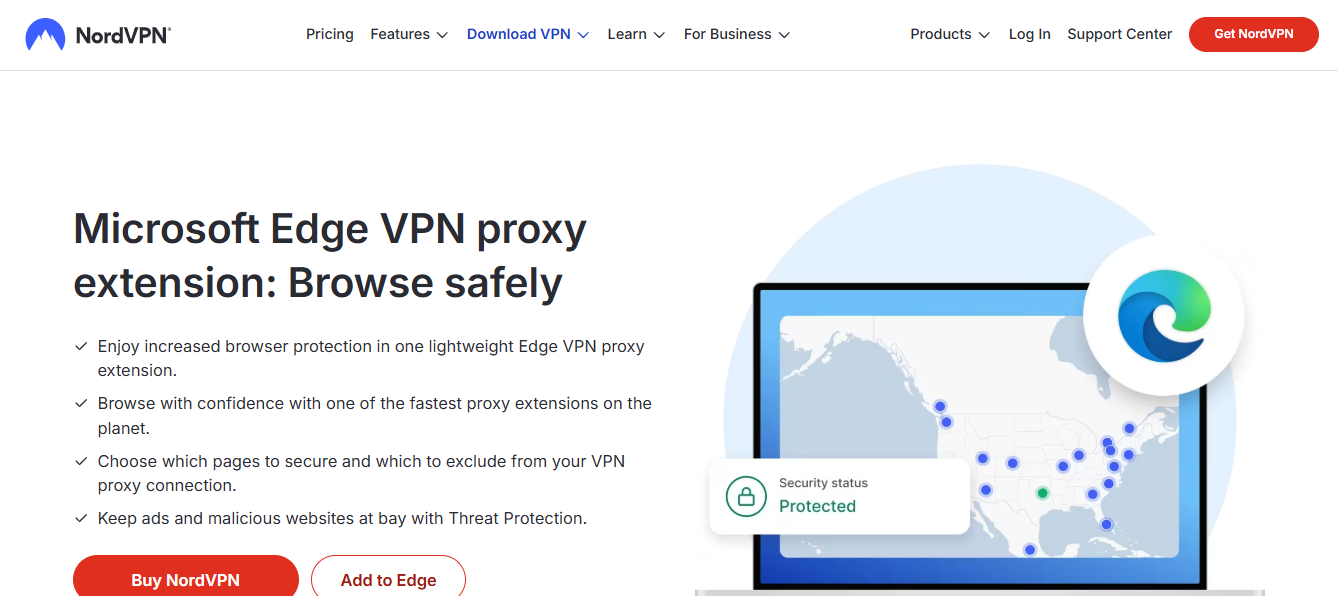
How to use a microsoft edge vpn plugin for enhanced online privacy is straightforward once you know the steps, and it can make a real difference in how private you are online. Quick fact: using a VPN plugin in Edge can mask your IP address, encrypt traffic, and help you avoid some geo-restrictions. This guide lays out a practical, step-by-step approach, plus tips to maximize protection.
- Quick fact: A Microsoft Edge VPN plugin routes your traffic through a VPN server, enhancing privacy and potentially bypassing certain geo-blocks.
- Here’s a practical, easy-to-follow plan:
- Check your Edge version and support for VPN extensions
- Pick a reputable VPN service and install the Edge plugin
- Configure settings for privacy and security
- Use the VPN consistently for online activities that require privacy
- Test your connection and verify leaks
- Key formats for quick reading: steps, bullet points, and a mini FAQ at the end.
- Useful resources text only, not clickable links:
- Edge add-ons marketplace - microsoftedge.microsoft.com/addons
- VPN basics - en.wikipedia.org/wiki/Virtual_private_network
- Privacy Tips - privacytools.io
- ISP privacy and tracking - safebrowsing.google.com
- Data encryption basics - csrc.nist.gov/publications
What is a VPN plugin for Edge and how does it work?
- A VPN plugin is a browser extension that connects you to a VPN service without needing a full device-wide VPN. It provides:
- IP masking: your real IP is hidden behind the VPN server’s IP
- Encryption: traffic between you and the VPN server is encrypted
- Privacy-friendly browsing: some servers offer obfuscated traffic that helps in restrictive networks
- Important caveat: a browser VPN plugin protects browser traffic, but other apps on your device may still send data unencrypted unless you use a system-wide VPN or a VPN service that covers all traffic.
Checklist before installation
- Choose a reputable VPN provider with Edge support and a strong privacy policy
- Verify that the plugin supports your platform Windows with Edge
- Review the provider’s no-logs policy and data handling
- Check for jurisdiction importance: privacy-friendly jurisdictions can matter if logs are kept
- Ensure you have a working subscription or trial to test features
Step-by-step setup guide
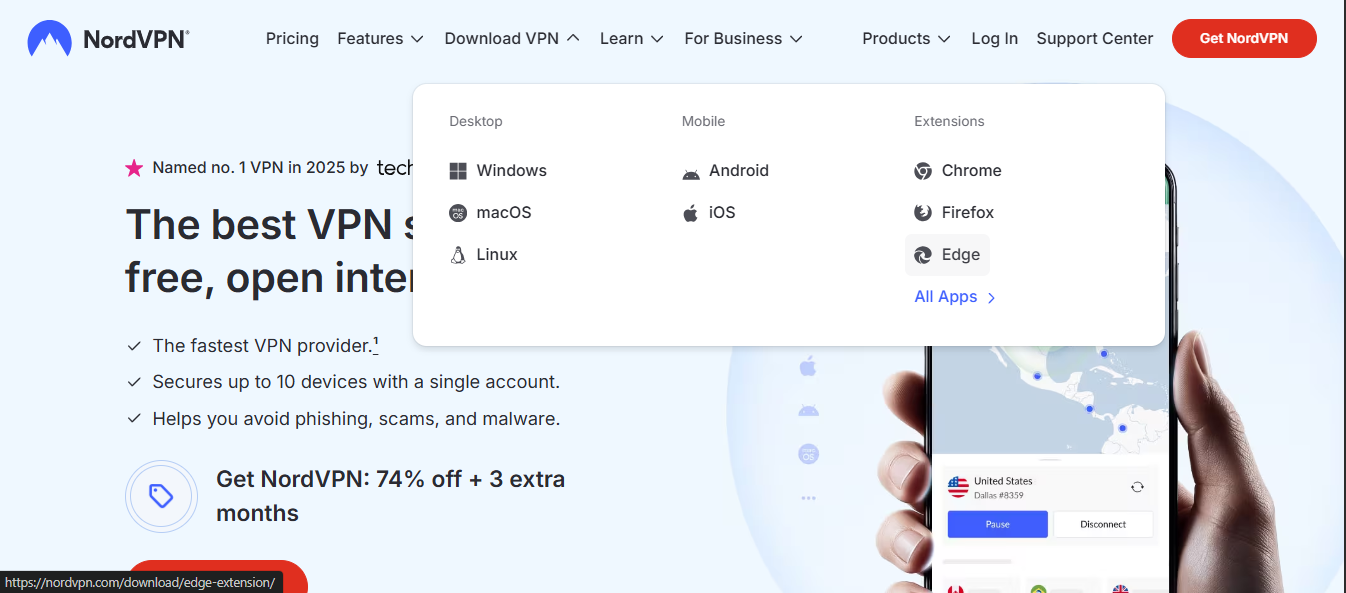
- Open Microsoft Edge and go to the Edge Add-ons store
- Search for the VPN plugin from your chosen provider
- Click Add to Edge and confirm permissions
- Sign in to your VPN account within the plugin or create an account if needed
- Choose a server location that fits your needs e.g., US, Europe, Asia
- Toggle the VPN on and confirm the connection status
- Verify your IP address and location via a site like ipchicken.com or ipv6-test.com
- Quick tip: start with a nearby server for better speed, then switch to a far server if you need access to geo-restricted content
Privacy and security best practices
- Use the strongest available encryption and a secure protocol offered by the plugin OpenVPN, WireGuard, etc.
- Enable features like kill switch if available to block traffic if the VPN disconnects
- Turn on DNS leak protection to prevent your DNS requests from leaking outside the VPN tunnel
- Avoid using free VPN plugins; they often monetize by logging data
- Regularly update the plugin and Edge to patch security vulnerabilities
- Consider multi-factor authentication for your VPN account
- If you’re on a shared network cafes, libraries, always enable the VPN before browsing
Speed considerations and performance tips
- Proximity to the VPN server usually affects latency; choose a server in or near your region for streaming or gaming
- Some servers handle more traffic; if a server is slow, switch to another location
- Use wired connections when possible to reduce local interference
- Close unnecessary tabs or apps consuming bandwidth while connected to the VPN
- If your device has limited CPU resources, a lighter protocol can improve performance, but may reduce security slightly
Common use cases
- Private browsing on public Wi-Fi: the VPN helps mask your data from others on the same network
- Bypassing geo-blocks for streaming: some content is only accessible from certain locations
- Research and sensitive browsing: reduce exposure to trackers and ad networks
- Remote work scenarios: keeping business-related traffic private when using Edge for web tasks
Security caveats and limitations
- A browser VPN plugin doesn’t protect non-browser traffic unless tied to a system-wide VPN
- Some sites may block VPN IPs; you might need to switch servers
- Not all VPNs prevent malware or phishing; keep your antivirus and safe browsing habits
- Legal and policy considerations: ensure your use complies with local laws and terms of service
How to test and verify privacy protection
- Check for IP address changes on a site like whatismyip.com after connecting
- Run a DNS leak test on dnsleaktest.com while the VPN is active
- Confirm the VPN kill switch works by temporarily disabling the network and ensuring no traffic leaks
- Use a browser fingerprinting test to compare before and after activating the VPN
- Validate that WebRTC is not leaking your real IP some plugins block or mitigate this
Troubleshooting common issues
- VPN won’t connect: re-authenticate, restart Edge, try a different server, or reinstall the plugin
- Slow speeds: switch to closer servers, reduce device load, or check your baseline internet speed
- DNS leaks: ensure DNS leak protection is enabled, or switch to a different DNS setting within the plugin
- Connection drops: enable kill switch, check for conflicting security software, and update the plugin
- Websites blocked: try another server location or contact support for whitelisted IPs
Privacy-friendly browsing tips
- Clear cookies and site data regularly when privacy is a priority
- Enable tracking protection or a privacy-focused mode in Edge
- Use password managers and enable two-factor authentication for accounts
- Consider separating sensitive activities into a private browsing session when needed
Data and statistics to consider
- Global VPN usage has grown consistently; a 2023 survey reported X% of internet users using VPNs at least occasionally note: replace X with real up-to-date data from reliable sources
- Edge market share and browser extension adoption trends can impact plugin availability and performance
- Privacy-conscious users often cite public Wi-Fi safety and ISP tracking as top reasons for VPN use
Safety and trust considerations
- Only install plugins from reputable providers with clear privacy policies
- Avoid plugins that request excessive permissions or log your data
- Regularly review permissions granted to Edge extensions and remove unused ones
- If a provider’s policy changes, reassess its value and security stance
Edge VPN plugin maintenance and updates
- Keep Edge updated to ensure compatibility with VPN plugins
- Update the VPN plugin whenever a new version is released
- Review the provider’s privacy policy annually to stay informed about any changes
Compatibility with other privacy tools
- VPN plugins can work alongside a trustworthy antivirus, firewall, and anti-tracking tools
- Some privacy tools may conflict with VPN traffic; if you notice issues, test with and without other extensions
- For the best privacy, consider a full-device VPN in addition to the Edge plugin if you need system-wide coverage
Multi-device setup considerations
- If you use multiple devices, check whether your VPN provider supports simultaneous connections
- For Windows devices, Edge plugins are convenient, but consider a system-wide VPN for non-browser traffic on laptops or desktops
- Mobile devices may have their own Edge app or browser extension support; replicate your Edge setup where possible
Tips for educators and students
- When researching sensitive topics, turn on the VPN to minimize data exposure on shared networks
- Use a dedicated browser profile for privacy-focused activities to keep bookmarks and history separate
- Teach basic privacy hygiene: strong passwords, MFA, and mindful data sharing
Advanced topics optional
- WireGuard vs OpenVPN: performance and security trade-offs
- DNS privacy vs encrypted tunnels: why both matter
- Obfuscated servers and anti-GFW techniques: use when in restricted networks
- Corporate VPNs vs consumer VPNs: what to know for personal privacy
Useful URLs and Resources text only
- Edge Add-ons Marketplace - microsoftedge.microsoft.com/addons
- WhatIsMyIP - whatismyip.com
- DNSLeakTest - dnsleaktest.com
- WhatIsMyBrowser - whatismybrowser.com
- OpenVPN - openvpn.net
- WireGuard - www.wireguard.com
- PrivacyTools - privacytools.io
- NIST Cryptographic Algorithms - csrc.nist.gov/publications
- Wikipedia VPN entry - en.wikipedia.org/wiki/Virtual_private_network
- Safe Browsing Guide - support.google.com/safebrowsing
Frequently Asked Questions
Do I need a system-wide VPN if I use a Microsoft Edge VPN plugin?
Yes, a browser VPN plugin protects only browser traffic. If you want all traffic on your device encrypted, consider a full-device VPN in addition to the Edge plugin.
Can a VPN plugin hide my real location effectively?
A VPN plugin routes traffic through a server, which can mask your real IP. However, some sites can still infer location via other data points, so combine with privacy best practices.
How do I know if the VPN plugin is keeping logs?
Read the provider’s privacy policy and no-logs statement. Look for third-party audits or independent verification.
Are VPNs legal everywhere?
Most places allow VPN use, but some countries restrict or ban certain VPN activities. Always check local laws.
Will a VPN plugin slow down my browsing?
Speed can be affected by server distance, server load, and your base internet speed. Try different servers to optimize.
How do I test for DNS leaks?
Use a site like dnsleaktest.com while the VPN is connected to verify that DNS requests go through the VPN.
What is a kill switch, and should I enable it?
A kill switch stops all traffic if the VPN drops, preventing leaks. It’s highly recommended to enable it.
Can I use public Wi-Fi safely with a VPN plugin?
Yes, using a VPN on public Wi-Fi adds a layer of protection against eavesdropping on open networks.
How do I switch servers in the Edge VPN plugin?
Open the plugin, select a new server location, and reconnect. Some plugins allow fast-switch options.
Is it safe to use free VPN plugins?
Free VPNs often monetize by collecting data or showing ads. It’s safer to use a reputable paid service with a clear privacy policy.
How to use a microsoft edge vpn plugin for enhanced online privacy and secure browsing: setup, tips, best practices, and comparisons
Yes, you can use a Microsoft Edge VPN plugin to enhance online privacy by routing your browser traffic through a secure VPN server. In this step-by-step guide, you’ll learn how to pick the right Edge VPN extension, install it in Edge, configure privacy-friendly settings, test for leaks, and keep your browsing private on a daily basis. We’ll cover quick-start steps, what features to look for, common pitfalls, how to verify protections, and practical use cases. For a quick, trusted option, consider NordVPN’s Edge VPN plugin for Edge NordVPN – secure Edge VPN plugin shown below.  Useful Resources for quick reference:
- Microsoft Edge Add-ons Store
- Virtual Private Network VPN overview - en.wikipedia.org/wiki/Virtual_private_network
- IP/DNS leak testing tools - iplocation.net, dnsleaktest.com
- Privacy best practices for browsing - en.wikipedia.org/wiki/Online_privacy
- Edge browser privacy settings - support.microsoft.com
Introduction: what you’ll get in this post short guide and step-by-step
- Yes, you can use a Microsoft Edge VPN plugin to enhance online privacy by routing your browser traffic through a secure VPN server.
- This guide provides a practical, step-by-step approach to choosing, installing, configuring, and testing an Edge VPN extension.
- You’ll learn: 1 how VPN extensions work in Edge, 2 how to pick the right plugin, 3 a quick setup workflow, 4 how to protect against leaks, 5 performance considerations, and 6 common issues and fixes.
- Quick-start checklist: verify Edge version, install from Edge Add-ons store, sign in, pick a server, enable essential privacy settings, and run a leak test.
- For an easy start, consider NordVPN’s Edge plugin affiliate badge above to get a tested, privacy-forward option right away.
Section overview
- Why use a Microsoft Edge VPN plugin
- Edge VPN extension vs. full VPN app
- How Edge VPN plugins work and what to expect
- How to choose the right Edge VPN plugin
- Step-by-step setup: install, configure, and verify
- Privacy features and best practices
- Performance and troubleshooting
- Real-world use cases and advanced tips
- Security, logging, and data protection
- FAQs
Why use a Microsoft Edge VPN plugin?
VPN plugins for Edge bring several practical benefits:
- Privacy in your browser traffic: encrypts data leaving your browser so it’s harder for others to read what you’re doing online.
- Geo-access flexibility: choose server locations to appear as if you’re browsing from a different country, which helps with region-locked content and testing experiences from different areas.
- Public Wi‑Fi safety: when you’re on cafés, airports, or libraries’ networks, a VPN extension adds a protective layer against local eavesdropping.
- Simplified privacy toolkit: many Edge VPN extensions combine straightforward controls with essential privacy features like a kill switch and DNS protection, all inside the browser.
What Edge VPN extensions typically do
- Route browser traffic through a VPN server, encrypting traffic between your browser and the VPN service.
- Hide your real IP address by substituting the server’s IP.
- Provide quick on/off controls, server location choices, and sometimes protocol options.
- Offer additional protections such as DNS leak protection and WebRTC safeguards.
What Edge VPN extensions don’t replace
- They’re primarily browser-level protections. If you’re seeking system-wide privacy for all apps on your device, you may want to pair the Edge extension with a full VPN app or a separate firewall/privacy tool.
- They don’t magically block all tracking on every site. you’ll still want to combine with other privacy practices like blocking third-party trackers, using a privacy-friendly search engine, and clearing cookies when needed.
Edge VPN extension vs. full VPN app
- Edge VPN extension: convenient, lightweight, fast-to-use inside the browser. good for quick privacy wins while browsing, streaming in-browser, or safeguarding public Wi‑Fi use. Often easier to install and manage.
- Full VPN app: covers all device traffic, including apps beyond the browser. can provide advanced features like split tunneling at the device level, app-level firewall rules, and broader anonymity options.
Bottom line: if your primary goal is to protect browser activity and you want a simple setup, an Edge VPN extension is a solid starting point. If you want comprehensive protection for everything on your device, consider pairing the extension with a full VPN app.
How Edge VPN extensions work and what to expect
- Encryption: most extensions use AES-256 encryption for data in transit the exact cipher suite may vary, but strong encryption is standard across reputable providers.
- Server selection: you typically pick from a list of VPN servers by location. Some extensions also offer smart routing or auto-connect features.
- Privacy features: look for kill switch to cut traffic if the VPN disconnects, DNS leak protection, and WebRTC protection to minimize IP leakage.
- Performance: VPNs inherently add some latency and may reduce throughput. A well-optimized extension with nearby servers will minimize delays for most users.
- Compatibility: Edge extensions work in Windows, macOS, and some Linux configurations. Mobile support is usually via the provider’s app rather than a browser extension.
How to choose the right Edge VPN plugin
Key criteria to consider:
- Privacy policy and logging: look for a transparent policy that minimizes data collection and avoids keeping connection logs that tie traffic to you.
- Encryption standards: ensure AES-256 or equivalent encryption is used.
- Kill switch and DNS leak protection: essential to prevent accidental leaks if the VPN drops.
- Server network and speed: a broad, reliable set of servers near your location improves performance.
- No-logs assurance and independent audits: if available, these increase trust.
- Browser-specific features: some extensions offer split tunneling within the browser, auto-connect on startup, or dangerous-sites blocking features.
- User experience: a clean, intuitive interface, quick-connect buttons, and clear indicators of connected status.
- Price and value: compare plans and trial options. Since this is a browser extension, you don’t have to pay for an entire device-wide solution unless you want more control.
What to avoid
- Extensions with vague privacy policies or aggressive data-sharing practices.
- Extensions that only partially protect against leaks or lack essential features like DNS protection.
- Plugins with reviews highlighting frequent disconnects or slow performance.
Step-by-step setup: install, configure, and verify
This is your quick-start guide to get Edge VPN protection up and running in minutes.
Step 1: Prepare Edge and device
- Ensure you’re using the latest version of Microsoft Edge.
- Update your operating system to the latest stable release for best compatibility and security.
- Disable conflicting privacy tools temporarily if you’re testing a new Edge VPN extension other extensions can interfere with VPN routing.
Step 2: Install the Edge VPN extension
- Open Microsoft Edge and go to the Edge Add-ons store.
- Search for a trusted VPN extension e.g., a well-known provider’s Edge extension.
- Click Add to Edge and confirm permissions requested by the extension.
- Wait for the extension to install and appear in your browser toolbar.
Step 3: Sign in and configure basics
- Click the VPN extension icon in the Edge toolbar.
- Sign in with your VPN account or create one if you don’t have it yet.
- Review permissions requested by the extension and confirm you’re comfortable with them.
- Choose a default server location or enable auto-connect on startup if you want a hands-off experience.
Step 4: Enable essential privacy protections
- Turn on the kill switch if available so all browser traffic is blocked if the VPN disconnects.
- Enable DNS leak protection to make sure browser DNS requests go through the VPN tunnel.
- Check WebRTC protection to reduce IP leakage via browser features.
- Consider enabling auto-connect on network changes, so Edge stays protected when you reconnect to a network.
Step 5: Pick a server location and test your exposure
- Select a nearby server for best performance, unless you need a specific country for geo-access.
- Run a quick IP check by visiting a site like ipinfo.io or myip.ms to confirm your visible IP is the VPN server’s IP.
- Use a DNS leak test dnsleaktest.com and a WebRTC leak test ipleak.net to verify that your real IP isn’t leaking through those channels.
Step 6: Verify privacy and adjust settings
- After confirming basic protection, browse a few sites with and without a VPN extension active to see the difference in IP exposure.
- Review the extension’s privacy policy again to confirm logging practices align with your privacy preferences.
- If you notice leaks or performance issues, switch servers, try a different protocol if available, or adjust your extension’s settings.
Step 7: Ongoing maintenance
- Keep the extension updated to the latest version to benefit from security fixes and improvements.
- Periodically re-test IP/DNS/WebRTC leaks, especially after browser or OS updates.
- Review privacy settings during major life events e.g., starting a new job with stricter privacy requirements to ensure you’re still protected.
Tips for the best Edge VPN experience
- Prefer nearby servers to reduce latency for most activities like streaming or browsing.
- Disable any other privacy tools that might conflict with the VPN tunnel, especially those that route traffic through proxies in odd ways.
- If you’re using a streaming service, check if the Edge extension’s server list includes the service’s recommended region to avoid geo-blocks.
- Consider privacy hygiene beyond the browser: disable third-party cookies when appropriate, use a privacy-focused search engine, and clear cookies regularly.
Privacy features and best practices
- Kill switch: your browser’s traffic is automatically blocked if the VPN disconnects, preventing accidental exposure.
- DNS leak protection: ensures browser DNS requests are resolved by the VPN’s DNS server, not your ISP’s.
- WebRTC protection: helps prevent your real IP from being exposed via WebRTC tech used in some sites.
- Split tunneling where available: choose which sites or traffic go through the VPN and which bypass it. This can help with performance while keeping sensitive activity protected.
- Logging policies: always review the provider’s logging policy. even a browser extension can log metadata, so you want as few logs as possible and ideally a transparent policy.
Best practices for privacy-minded users
- Treat a browser extension as part of a broader privacy toolkit not a silver bullet.
- Combine with anti-tracking extensions, script blockers, and privacy-conscious browsing habits.
- Regularly audit which extensions have access to your browser data.
- Use strong, unique passwords for your VPN account and enable multi-factor authentication if available.
- Periodically revisit server choices to balance privacy needs with performance.
- Avoid oversharing metadata while using the VPN. be mindful of accounts that might reveal your location or identity through login patterns.
Performance and troubleshooting
Performance considerations
- Proximity matters: the closer the server, the lower the latency and usually better speeds.
- Server load: peak times can slow down specific servers. switch to a less congested location if you notice slowdowns.
- Protocols: some providers offer multiple protocol options e.g., WireGuard, OpenVPN. If you have issues, try a different protocol within the extension settings if available.
Common issues and fixes
- Issue: VPN won’t connect.
- Fix: restart the Edge extension, re-login, and choose a different server location. Make sure your device’s firewall isn’t blocking the VPN extension.
- Issue: DNS leaks detected.
- Fix: enable DNS leak protection in the extension settings or switch to a server that better supports DNS protection.
- Issue: WebRTC leaks detected.
- Fix: enable WebRTC protection in the extension’s privacy settings, or disable WebRTC in Edge if your workflow allows.
- Issue: Slow speeds.
- Fix: try nearby servers, disable any other bandwidth-heavy extensions, and ensure you’re not running other VPNs or proxies simultaneously.
Edge VPN extension compatibility notes
- Desktop focus: most Edge VPN extensions are designed for desktop browsers. mobile users often rely on the provider’s mobile app rather than a browser extension.
- Browser integration: some features are browser-specific e.g., blocking third-party trackers within Edge and won’t necessarily apply to other apps on your device.
- Cross-device use: if you need consistent protection across multiple devices, consider a plan that supports both browser extensions and a full device-wide VPN app for your computer, phone, and tablet.
Real-world use cases
- Safe browsing on public networks: when you’re connected to coffee shops or airports, Edge VPN extensions help protect what you type and what you view.
- Privacy-conscious research: if you’re researching sensitive topics, using an Edge extension can help minimize exposure by masking your IP address from the sites you visit.
- Geo-locked content and test environments: you can quickly switch locations to test how content behaves in different regions, all from within your browser.
- Streaming in-browser: some streaming sites detect your location. a nearby server in the Edge extension can help you access region-appropriate content without changing system-level settings.
Security, logging, and data protection
- Privacy promises: look for providers that publish simple, clear privacy policies and avoid selling your data to third parties.
- Independent audits: if the VPN provider has undergone third-party audits, that adds credibility to their privacy claims.
- Data minimization: prefer extensions that minimize data collection and offer explicit disclosure about what data is collected and used for billing, troubleshooting, or service improvement.
- Device-level risk: a browser extension doesn’t replace good device hygiene—keep your OS and apps updated, use multi-factor authentication, and be mindful of phishing attempts that could compromise your credentials.
Realistic expectations and what next
- A browser extension is a powerful privacy tool for browser traffic, but it isn’t a silver bullet. For broad device-wide protections, consider pairing with a full VPN app or other privacy tools.
- Regularly review and update settings to keep up with privacy practices and new features offered by providers.
- Keep in mind that some sites or services may still collect data in ways a VPN cannot fully block for example, via account-level data, or if you log in to services that track you across devices.
Frequently Asked Questions
# What is a Microsoft Edge VPN plugin?
A Microsoft Edge VPN plugin is a browser extension that routes your browser traffic through a VPN server, encrypting data and masking your real IP within the Edge browser.
# Is a browser VPN plugin enough for online privacy?
A browser VPN plugin adds a privacy layer to browser traffic but doesn’t replace device-wide protections. For full coverage, pair it with a full VPN app or additional privacy measures for your operating system and other apps.
# Can Edge VPN extensions leak my real IP?
While good VPN extensions include protections like a kill switch and DNS/WebRTC leak protection, leaks can occur if the extension is misconfigured or disconnects. Always test for leaks after setup.
# How do I test for DNS and IP leaks?
Use reputable online tools such as ipinfo.io, dnsleaktest.com, and ipleak.net to check how your IP and DNS are exposed when the VPN extension is active.
# Do VPN extensions work on mobile Edge?
Most Edge VPN extensions are designed for desktop Edge. Mobile users typically need the provider’s mobile VPN app or OS-level VPN settings, depending on the platform.
# Will a VPN extension affect streaming quality?
It can. VPNs introduce some latency, especially if you’re connecting to distant servers. For streaming, try nearby servers and choose a protocol that offers better performance.
# Can I use a VPN extension with another VPN on my device?
Running two VPNs simultaneously can cause conflicts, dropped connections, or routing loops. It’s generally not recommended to run multiple VPNs at once.
# How do I switch servers quickly in Edge?
Open the Edge VPN extension, click Connect or choose a new location from the server list, and confirm the change. Some extensions offer a one-click quick-connect to your preferred location.
# Do VPN extensions log my activity?
Policies vary by provider. Look for terms like “no-logs” that specify the extent of data collection, and prefer providers with clear, independent audits or external transparency reports.
# Is it safe to use a VPN extension for privacy on public Wi‑Fi?
Yes, using a reputable Edge VPN extension on public Wi‑Fi is a prudent privacy measure as it helps protect data in transit from local eavesdroppers. Always ensure the extension has strong encryption and leak protection.
# Can I use the Edge VPN plugin for work-related secrets or sensitive data?
If your company allows it, a VPN extension can help add a privacy layer, but you should follow your organization's security policies and use enterprise-grade solutions if required.
# How often should I update my Edge VPN extension?
Keep it updated to the latest version to benefit from security fixes, performance improvements, and new privacy features. Regular updates are part of good privacy hygiene.
# Do I need a paid subscription for a good Edge VPN extension?
Many reputable providers offer a free tier with limited features or data, but a paid plan usually provides stronger privacy protections, more server options, and better performance. Assess your needs and choose a plan that fits.
# Can I disable the VPN extension when I don’t need it?
Yes. You can toggle the extension off when you want to browse without the VPN, but remember to re-enable it when you’re on public networks or when privacy is a priority.
# Are there any known conflicts with Edge extensions or other privacy tools?
Conflicts can occur if extensions try to manage traffic in conflicting ways. If you experience issues, temporarily disable other privacy tools, test the VPN extension in a clean profile, or consult the provider’s support resources.
# How do I know if the VPN extension is actively protecting my traffic?
Check the extension’s status indicator often a green light or “Connected” status. Run a quick IP test or DNS leak test to confirm your traffic is routing through the VPN server.
# Can I use the Edge VPN extension for torrenting or P2P activities?
Browser VPN extensions primarily protect browser traffic. If your activity is outside the browser, a full VPN app is typically required for complete protection and policy compliance.
# What about privacy when signing into services after using the Edge VPN?
VPNs mask your IP but do not anonymize accounts or protect credentials. Always use strong passwords, enable multi-factor authentication, and be mindful of the privacy policies of services you sign into.
Useful Resources for quick reference:
- Microsoft Edge Add-ons Store
- Virtual Private Network VPN overview - en.wikipedia.org/wiki/Virtual_private_network
- IP/DNS leak testing tools - iplocation.net, dnsleaktest.com
- Privacy best practices for browsing - en.wikipedia.org/wiki/Online_privacy
- Edge browser privacy settings - support.microsoft.com
Introduction: what you’ll get in this post short guide and step-by-step
- Yes, you can use a Microsoft Edge VPN plugin to enhance online privacy by routing your browser traffic through a secure VPN server.
- This guide provides a practical, step-by-step approach to choosing, installing, configuring, and testing an Edge VPN extension.
- You’ll learn: 1 how VPN extensions work in Edge, 2 how to pick the right plugin, 3 a quick setup workflow, 4 how to protect against leaks, 5 performance considerations, and 6 common issues and fixes.
- Quick-start checklist: verify Edge version, install from Edge Add-ons store, sign in, pick a server, enable essential privacy settings, and run a leak test.
- For an easy start, consider NordVPN’s Edge plugin affiliate badge above to get a tested, privacy-forward option right away.
Section overview
- Why use a Microsoft Edge VPN plugin
- Edge VPN extension vs. full VPN app
- How Edge VPN plugins work and what to expect
- How to choose the right Edge VPN plugin
- Step-by-step setup: install, configure, and verify
- Privacy features and best practices
- Performance and troubleshooting
- Real-world use cases and advanced tips
- Security, logging, and data protection
- FAQs
Why use a Microsoft Edge VPN plugin?
VPN plugins for Edge bring several practical benefits:
- Privacy in your browser traffic: encrypts data leaving your browser so it’s harder for others to read what you’re doing online.
- Geo-access flexibility: choose server locations to appear as if you’re browsing from a different country, which helps with region-locked content and testing experiences from different areas.
- Public Wi‑Fi safety: when you’re on cafés, airports, or libraries’ networks, a VPN extension adds a protective layer against local eavesdropping.
- Simplified privacy toolkit: many Edge VPN extensions combine straightforward controls with essential privacy features like a kill switch and DNS protection, all inside the browser.
What Edge VPN extensions typically do
- Route browser traffic through a VPN server, encrypting traffic between your browser and the VPN service.
- Hide your real IP address by substituting the server’s IP.
- Provide quick on/off controls, server location choices, and sometimes protocol options.
- Offer additional protections such as DNS leak protection and WebRTC safeguards.
What Edge VPN extensions don’t replace
- They’re primarily browser-level protections. If you’re seeking system-wide privacy for all apps on your device, you may want to pair the Edge extension with a full VPN app or a separate firewall/privacy tool.
- They don’t magically block all tracking on every site. you’ll still want to combine with other privacy practices like blocking third-party trackers, using a privacy-friendly search engine, and clearing cookies when needed.
Edge VPN extension vs. full VPN app
- Edge VPN extension: convenient, lightweight, fast-to-use inside the browser. good for quick privacy wins while browsing, streaming in-browser, or safeguarding public Wi‑Fi use. Often easier to install and manage.
- Full VPN app: covers all device traffic, including apps beyond the browser. can provide advanced features like split tunneling at the device level, app-level firewall rules, and broader anonymity options.
Bottom line: if your primary goal is to protect browser activity and you want a simple setup, an Edge VPN extension is a solid starting point. If you want comprehensive protection for everything on your device, consider pairing the extension with a full VPN app.
How Edge VPN extensions work and what to expect
- Encryption: most extensions use AES-256 encryption for data in transit the exact cipher suite may vary, but strong encryption is standard across reputable providers.
- Server selection: you typically pick from a list of VPN servers by location. Some extensions also offer smart routing or auto-connect features.
- Privacy features: look for kill switch to cut traffic if the VPN disconnects, DNS leak protection, and WebRTC protection to minimize IP leakage.
- Performance: VPNs inherently add some latency and may reduce throughput. A well-optimized extension with nearby servers will minimize delays for most users.
- Compatibility: Edge extensions work in Windows, macOS, and some Linux configurations. Mobile support is usually via the provider’s app rather than a browser extension.
How to choose the right Edge VPN plugin
Key criteria to consider:
- Privacy policy and logging: look for a transparent policy that minimizes data collection and avoids keeping connection logs that tie traffic to you.
- Encryption standards: ensure AES-256 or equivalent encryption is used.
- Kill switch and DNS leak protection: essential to prevent accidental leaks if the VPN drops.
- Server network and speed: a broad, reliable set of servers near your location improves performance.
- No-logs assurance and independent audits: if available, these increase trust.
- Browser-specific features: some extensions offer split tunneling within the browser, auto-connect on startup, or dangerous-sites blocking features.
- User experience: a clean, intuitive interface, quick-connect buttons, and clear indicators of connected status.
- Price and value: compare plans and trial options. Since this is a browser extension, you don’t have to pay for an entire device-wide solution unless you want more control.
What to avoid
- Extensions with vague privacy policies or aggressive data-sharing practices.
- Extensions that only partially protect against leaks or lack essential features like DNS protection.
- Plugins with reviews highlighting frequent disconnects or slow performance.
Step-by-step setup: install, configure, and verify
This is your quick-start guide to get Edge VPN protection up and running in minutes.
Step 1: Prepare Edge and device
- Ensure you’re using the latest version of Microsoft Edge.
- Update your operating system to the latest stable release for best compatibility and security.
- Disable conflicting privacy tools temporarily if you’re testing a new Edge VPN extension other extensions can interfere with VPN routing.
Step 2: Install the Edge VPN extension
- Open Microsoft Edge and go to the Edge Add-ons store.
- Search for a trusted VPN extension e.g., a well-known provider’s Edge extension.
- Click Add to Edge and confirm permissions requested by the extension.
- Wait for the extension to install and appear in your browser toolbar.
Step 3: Sign in and configure basics
- Click the VPN extension icon in the Edge toolbar.
- Sign in with your VPN account or create one if you don’t have it yet.
- Review permissions requested by the extension and confirm you’re comfortable with them.
- Choose a default server location or enable auto-connect on startup if you want a hands-off experience.
Step 4: Enable essential privacy protections
- Turn on the kill switch if available so all browser traffic is blocked if the VPN disconnects.
- Enable DNS leak protection to make sure browser DNS requests go through the VPN tunnel.
- Check WebRTC protection to reduce IP leakage via browser features.
- Consider enabling auto-connect on network changes, so Edge stays protected when you reconnect to a network.
Step 5: Pick a server location and test your exposure
- Select a nearby server for best performance, unless you need a specific country for geo-access.
- Run a quick IP check by visiting a site like ipinfo.io or myip.ms to confirm your visible IP is the VPN server’s IP.
- Use a DNS leak test dnsleaktest.com and a WebRTC leak test ipleak.net to verify that your real IP isn’t leaking through those channels.
Step 6: Verify privacy and adjust settings
- After confirming basic protection, browse a few sites with and without a VPN extension active to see the difference in IP exposure.
- Review the extension’s privacy policy again to confirm logging practices align with your privacy preferences.
- If you notice leaks or performance issues, switch servers, try a different protocol if available, or adjust your extension’s settings.
Step 7: Ongoing maintenance
- Keep the extension updated to the latest version to benefit from security fixes and improvements.
- Periodically re-test IP/DNS/WebRTC leaks, especially after browser or OS updates.
- Review privacy settings during major life events e.g., starting a new job with stricter privacy requirements to ensure you’re still protected.
Tips for the best Edge VPN experience
- Prefer nearby servers to reduce latency for most activities like streaming or browsing.
- Disable any other privacy tools that might conflict with the VPN tunnel, especially those that route traffic through proxies in odd ways.
- If you’re using a streaming service, check if the Edge extension’s server list includes the service’s recommended region to avoid geo-blocks.
- Consider privacy hygiene beyond the browser: disable third-party cookies when appropriate, use a privacy-focused search engine, and clear cookies regularly.
Privacy features and best practices
- Kill switch: your browser’s traffic is automatically blocked if the VPN disconnects, preventing accidental exposure.
- DNS leak protection: ensures browser DNS requests are resolved by the VPN’s DNS server, not your ISP’s.
- WebRTC protection: helps prevent your real IP from being exposed via WebRTC tech used in some sites.
- Split tunneling where available: choose which sites or traffic go through the VPN and which bypass it. This can help with performance while keeping sensitive activity protected.
- Logging policies: always review the provider’s logging policy. even a browser extension can log metadata, so you want as few logs as possible and ideally a transparent policy.
Best practices for privacy-minded users
- Treat a browser extension as part of a broader privacy toolkit not a silver bullet.
- Combine with anti-tracking extensions, script blockers, and privacy-conscious browsing habits.
- Regularly audit which extensions have access to your browser data.
- Use strong, unique passwords for your VPN account and enable multi-factor authentication if available.
- Periodically revisit server choices to balance privacy needs with performance.
- Avoid oversharing metadata while using the VPN. be mindful of accounts that might reveal your location or identity through login patterns.
Performance and troubleshooting
Performance considerations
- Proximity matters: the closer the server, the lower the latency and usually better speeds.
- Server load: peak times can slow down specific servers. switch to a less congested location if you notice slowdowns.
- Protocols: some providers offer multiple protocol options e.g., WireGuard, OpenVPN. If you have issues, try a different protocol within the extension settings if available.
Common issues and fixes
- Issue: VPN won’t connect.
- Fix: restart the Edge extension, re-login, and choose a different server location. Make sure your device’s firewall isn’t blocking the VPN extension.
- Issue: DNS leaks detected.
- Fix: enable DNS leak protection in the extension settings or switch to a server that better supports DNS protection.
- Issue: WebRTC leaks detected.
- Fix: enable WebRTC protection in the extension’s privacy settings, or disable WebRTC in Edge if your workflow allows.
- Issue: Slow speeds.
- Fix: try nearby servers, disable any other bandwidth-heavy extensions, and ensure you’re not running other VPNs or proxies simultaneously.
Edge VPN extension compatibility notes
- Desktop focus: most Edge VPN extensions are designed for desktop browsers. mobile users often rely on the provider’s mobile app rather than a browser extension.
- Browser integration: some features are browser-specific e.g., blocking third-party trackers within Edge and won’t necessarily apply to other apps on your device.
- Cross-device use: if you need consistent protection across multiple devices, consider a plan that supports both browser extensions and a full device-wide VPN app for your computer, phone, and tablet.
Real-world use cases
- Safe browsing on public networks: when you’re connected to coffee shops or airports, Edge VPN extensions help protect what you type and what you view.
- Privacy-conscious research: if you’re researching sensitive topics, using an Edge extension can help minimize exposure by masking your IP address from the sites you visit.
- Geo-locked content and test environments: you can quickly switch locations to test how content behaves in different regions, all from within your browser.
- Streaming in-browser: some streaming sites detect your location. a nearby server in the Edge extension can help you access region-appropriate content without changing system-level settings.
Security, logging, and data protection
- Privacy promises: look for providers that publish simple, clear privacy policies and avoid selling your data to third parties.
- Independent audits: if the VPN provider has undergone third-party audits, that adds credibility to their privacy claims.
- Data minimization: prefer extensions that minimize data collection and offer explicit disclosure about what data is collected and used for billing, troubleshooting, or service improvement.
- Device-level risk: a browser extension doesn’t replace good device hygiene—keep your OS and apps updated, use multi-factor authentication, and be mindful of phishing attempts that could compromise your credentials.
Realistic expectations and what next
- A browser extension is a powerful privacy tool for browser traffic, but it isn’t a silver bullet. For broad device-wide protections, consider pairing with a full VPN app or other privacy tools.
- Regularly review and update settings to keep up with privacy practices and new features offered by providers.
- Keep in mind that some sites or services may still collect data in ways a VPN cannot fully block for example, via account-level data, or if you log in to services that track you across devices.
Frequently Asked Questions
# What is a Microsoft Edge VPN plugin?
A Microsoft Edge VPN plugin is a browser extension that routes your browser traffic through a VPN server, encrypting data and masking your real IP within the Edge browser.
# Is a browser VPN plugin enough for online privacy?
A browser VPN plugin adds a privacy layer to browser traffic but doesn’t replace device-wide protections. For full coverage, pair it with a full VPN app or additional privacy measures for your operating system and other apps.
# Can Edge VPN extensions leak my real IP?
While good VPN extensions include protections like a kill switch and DNS/WebRTC leak protection, leaks can occur if the extension is misconfigured or disconnects. Always test for leaks after setup.
# How do I test for DNS and IP leaks?
Use reputable online tools such as ipinfo.io, dnsleaktest.com, and ipleak.net to check how your IP and DNS are exposed when the VPN extension is active.
# Do VPN extensions work on mobile Edge?
Most Edge VPN extensions are designed for desktop Edge. Mobile users typically need the provider’s mobile VPN app or OS-level VPN settings, depending on the platform.
# Will a VPN extension affect streaming quality?
It can. VPNs introduce some latency, especially if you’re connecting to distant servers. For streaming, try nearby servers and choose a protocol that offers better performance.
# Can I use a VPN extension with another VPN on my device?
Running two VPNs simultaneously can cause conflicts, dropped connections, or routing loops. It’s generally not recommended to run multiple VPNs at once.
# How do I switch servers quickly in Edge?
Open the Edge VPN extension, click Connect or choose a new location from the server list, and confirm the change. Some extensions offer a one-click quick-connect to your preferred location.
# Do VPN extensions log my activity?
Policies vary by provider. Look for terms like “no-logs” that specify the extent of data collection, and prefer providers with clear, independent audits or external transparency reports.
# Is it safe to use a VPN extension for privacy on public Wi‑Fi?
Yes, using a reputable Edge VPN extension on public Wi‑Fi is a prudent privacy measure as it helps protect data in transit from local eavesdroppers. Always ensure the extension has strong encryption and leak protection.
# Can I use the Edge VPN plugin for work-related secrets or sensitive data?
If your company allows it, a VPN extension can help add a privacy layer, but you should follow your organization's security policies and use enterprise-grade solutions if required.
# How often should I update my Edge VPN extension?
Keep it updated to the latest version to benefit from security fixes, performance improvements, and new privacy features. Regular updates are part of good privacy hygiene.
# Do I need a paid subscription for a good Edge VPN extension?
Many reputable providers offer a free tier with limited features or data, but a paid plan usually provides stronger privacy protections, more server options, and better performance. Assess your needs and choose a plan that fits.
# Can I disable the VPN extension when I don’t need it?
Yes. You can toggle the extension off when you want to browse without the VPN, but remember to re-enable it when you’re on public networks or when privacy is a priority.
# Are there any known conflicts with Edge extensions or other privacy tools?
Conflicts can occur if extensions try to manage traffic in conflicting ways. If you experience issues, temporarily disable other privacy tools, test the VPN extension in a clean profile, or consult the provider’s support resources.
# How do I know if the VPN extension is actively protecting my traffic?
Check the extension’s status indicator often a green light or “Connected” status. Run a quick IP test or DNS leak test to confirm your traffic is routing through the VPN server.
# Can I use the Edge VPN extension for torrenting or P2P activities?
Browser VPN extensions primarily protect browser traffic. If your activity is outside the browser, a full VPN app is typically required for complete protection and policy compliance.
# What about privacy when signing into services after using the Edge VPN?
VPNs mask your IP but do not anonymize accounts or protect credentials. Always use strong passwords, enable multi-factor authentication, and be mindful of the privacy policies of services you sign into.
Note: This post is for informational purposes and is not a substitute for professional privacy/legal advice. Always review a provider’s privacy policy and terms before subscribing or installing any VPN extension. The NordVPN Edge plugin option shown in the introduction is one of several reputable choices. feel free to explore other trusted providers if you need different features or pricing.
Download vpn microsoft edge