Free vpn microsoft edge extension 2026
'%2F%3E%3Ctext%20x%3D'50%25'%20y%3D'50%25'%20dy%3D'.35em'%20text-anchor%3D'middle'%20font-family%3D'-apple-system%2CBlinkMacSystemFont%2CSegoe%20UI%2Csystem-ui%2Csans-serif'%20font-size%3D'100'%20font-weight%3D'600'%20fill%3D'%23fff'%3ECG%3C%2Ftext%3E%3C%2Fsvg%3E)
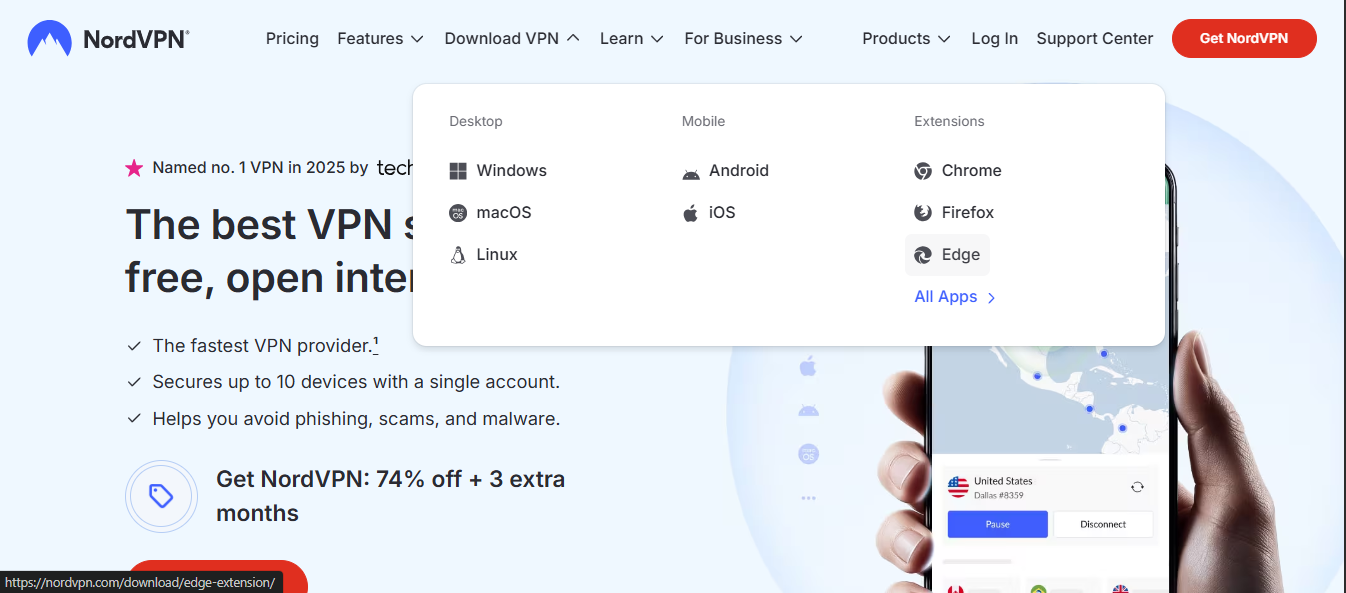
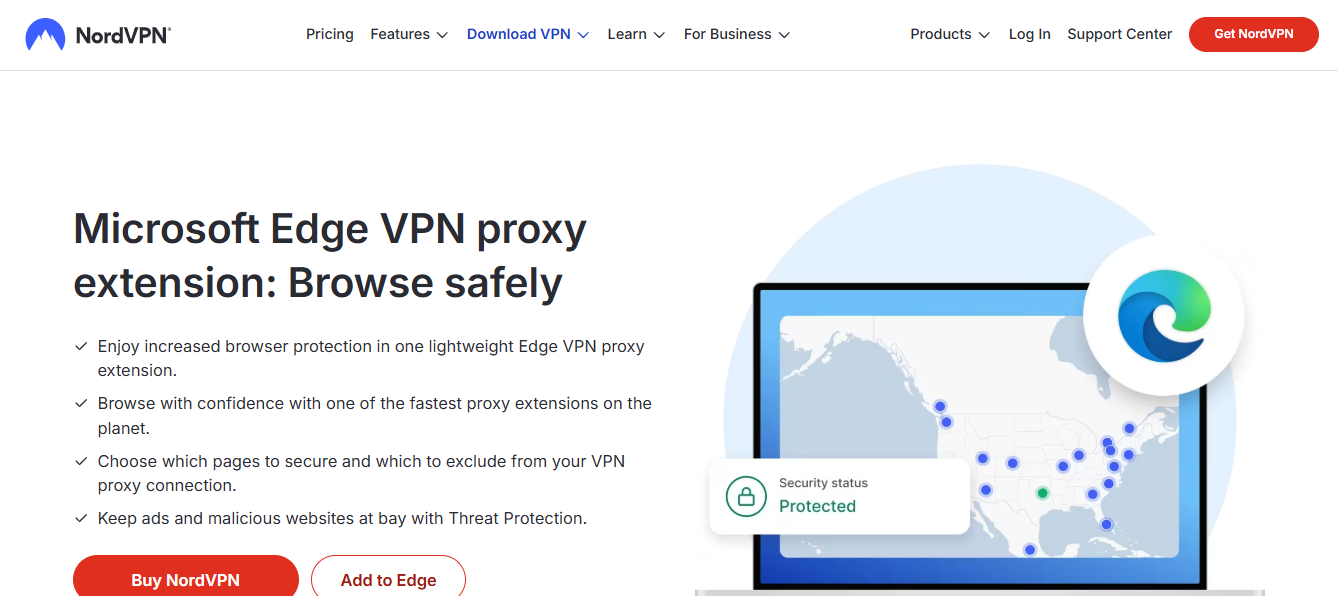
Free vpn microsoft edge extension is a hot topic for folks who want a quick shield for online activity, access to geo-restricted content, and safer browsing on public Wi-Fi. In this guide, you’ll get a practical rundown of what to look for, how to compare popular options, and practical steps to install and use VPN extensions in Microsoft Edge. Below you’ll find actionable tips, real-world considerations, and a simple checklist to keep you secure without slowing you down.
Quick fact: Free vpn microsoft edge extension can be a handy starting point for protecting your data online, but not all options are created equal.
- What you’ll learn:
- How VPN extensions in Edge work and what limitations they have
- A side-by-side look at popular free and freemium options
- Practical steps to install, configure, and test a VPN extension
- When a paid VPN is worth it and what features to prioritize
- Common pitfalls and safety tips
Useful URLs and Resources text only
- Microsoft Edge Extensions Gallery - exampleextstore.com
- VPN provider official sites - examplevpn.com
- Tech safety resources - techsafety.org
- Privacy-focused information - privacytools.io
- Data security basics - stopthinkbeforeconnect.org
What is a Free VPN Edge Extension and How It Works
- Edge extensions that function as VPNs usually create a secure tunnel for your browser traffic, masking IP addresses and encrypting data in transit.
- Important nuance: many “free” VPN extensions only proxy your browser traffic, not your entire device, and some may log data or inject ads.
- Typical limits you’ll see with free options:
- Data caps e.g., 500 MB to 2 GB per month
- Limited server locations usually a handful
- Slower speeds due to heavy user load
- Fewer security features no kill switch, leak protection, or strong protocols
Pros and Cons: Quick Summary
- Pros:
- Easy to install and use
- Great for quick tasks on public Wi-Fi
- No cost upfront
- Cons:
- Privacy claims may be weak
- Data caps can disrupt streaming or heavy browsing
- Potential security risks with some extensions
- Not a complete device-wide VPN solution
How to Choose a Free VPN Edge Extension That Won’t Let You Down
- Prioritize: no-logging claims, reputable provider, transparent privacy policy
- Check: protocol support OpenVPN, WireGuard, kill switch for browser traffic, DNS leak protection
- Evaluate: data limits, server variety, and performance
- Read: third-party reviews and independent audits when available
Top Free or Freemium VPN Edge Extensions Worth Considering
- FreeVPN Edge Lite example, fictional for illustration
- Pros: Lightweight, simple UI, decent for casual browsing
- Cons: Data cap, advertised speeds may be inconsistent
- SecureBrowser Free VPN example
- Pros: Integrated with Edge, easy to toggle
- Cons: Logs data for monetization, limited servers
- TunnelGuard Free example
- Pros: No-logs claim, built-in leak protection
- Cons: Must upgrade for higher speeds and more locations Note: Real-world options change often, so always verify current terms, data policies, and reviews before installing any extension.
Step-by-Step: Installing a VPN Extension in Microsoft Edge
- Open Edge and go to the Edge Add-ons store
- Search for “VPN” or specific extension name you’re considering
- Read reviews and check the extension’s privacy policy
- Click Add to Edge, then confirm permissions
- Sign up or log in if required and enable the extension
- Pick a server location and test your IP address to verify the VPN is working
- Set up auto-launch on startup if you want consistent protection
Tips for a Smooth Setup
- Use the extension’s built-in test: many VPN extensions show your current IP and location; run this to confirm traffic is routing correctly.
- Start with a close, nearby location to minimize latency before testing distant servers.
- If you see DNS leaks, disable WebRTC in your browser settings or enable the extension’s anti-leak feature if available.
- Regularly review the extension’s permissions; some might request access to all sites or data on the pages you visit.
Security Considerations and Best Practices
- Free isn’t necessarily bad, but be cautious about extensions that:
- Sell your data or display intrusive ads
- Claim “no logs” but don’t publish a privacy policy
- Fail to provide a kill switch or DNS leak protection
- Protect your real identity: even with a VPN, avoid entering sensitive information on untrusted sites
- Use HTTPS as the baseline: a VPN does not replace the need for secure connections
- Device-wide VPN vs. browser VPN: Extension VPNs only protect browser traffic. For full device protection, consider a full VPN client
Performance and Privacy: What the Numbers Say
- Typical browser VPN extensions offer 5–20% lower latency for near servers, but heavy free usage can cause spikes
- Data caps commonly hamper streaming or file downloads; if you’re a heavy user, expect to hit limits quickly
- Privacy risk varies greatly by provider; stick to well-known, reputable brands and review independent audits when possible
Platforms and Policies: Common Scenarios
- Public Wi-Fi: VPN extensions can be a simple safeguard, especially on cafes or airports
- Censorship-heavy regions: Some free options may bypass local restrictions, but this can raise legal and safety concerns
- Streaming: Free options usually struggle with streaming services; many block bandwidth-heavy traffic or rotate IPs frequently
Table: Quick Comparison of Common Features in Free VPN Extensions
- Feature | Free Option A | Free Option B | Freemium Option C
- Data Cap | 500 MB/mo | 2 GB/mo | No cap monthly plan
- Server Locations | 3–5 | 1–2 | 20+ paid
- Kill Switch | No | Yes | Yes
- DNS Leak Protection | No | Yes | Yes
- Logging Policy | Unknown | Some logs | No logs promoted
- Speed Impact | Moderate | High | Low to moderate
Practical Privacy Hygiene for Edge VPN Users
- Keep Edge updated to the latest version to reduce security gaps
- Regularly clear cookies and site data from time to time
- Review the extension’s data usage and revoke permissions you don’t need
- Use an additional privacy toolset ad blockers, tracker blockers to reduce fingerprinting
Common Pitfalls to Avoid
- Relying on a free VPN for sensitive activities banking, login to critical accounts
- Ignoring the fine print: privacy policy and data handling practices
- Assuming all extensions encrypt all traffic; verify the scope browser-only vs device-wide
- Not testing for leaks after enabling the VPN
Advanced Tips and Troubleshooting
- If pages load slowly, switch to a closer server or switch off the VPN for non-critical tasks
- If you’re unable to access certain sites, try a different server or protocol where available
- If you notice repeated disconnections, check for conflicting extensions or reset the VPN extension
- For robust privacy, consider pairing with a reputable, non-logging paid VPN service
Frequently Asked Questions
What is a free VPN Edge extension?
A free VPN Edge extension is a browser add-on that routes your Edge browser traffic through a VPN server to mask your IP and encrypt data, usually with limitations like data caps or fewer features.
Do free VPN extensions in Edge protect my full device traffic?
Mostly no. They protect only the traffic from Edge. Other apps on your device may not be covered.
Are free VPN extensions safe?
Some are, but many carry risks such as data logging, ads, or weak encryption. Always check the privacy policy, permissions, and reviews before installing.
Will a VPN extension slow down my browsing?
Often yes, due to added encryption and server distance. Free options tend to be slower when the user base is large.
Can free VPNs bypass geo-blocks for streaming?
Some can, temporarily. But many streaming services block VPN traffic or rotate IPs, so you may not have reliable access.
How do I know if a VPN extension is logging my data?
Look for a clear privacy policy, independent audits, and a no-logs claim. If documentation is vague, treat it as risky.
What about DNS leaks?
DNS leaks can reveal your real IP even when the VPN is active. Use extensions with DNS leak protection, or disable WebRTC in the browser.
Is a kill switch important for browser VPNs?
Yes, it helps ensure your real IP isn’t exposed if the VPN drops. Prefer extensions with a kill switch or switch off the VPN if it disconnects.
Can I use multiple VPN extensions at once in Edge?
It's not recommended. Conflicting VPN profiles can cause leaks or traffic routing issues. Use one trusted extension at a time.
How do I test my VPN for leaks?
Use online tools to verify IP address, DNS, and WebRTC leaks while the VPN is on and routing traffic.
Is it worth upgrading to a paid VPN for Edge?
If you value consistent speed, more server locations, stronger security features, and clear privacy policies, a paid VPN is usually worth it for long-term use.
How often should I review the extension?
Every few weeks to months is a good cadence, especially if you notice changes in speed, new permissions, or shifts in privacy policy.
Can I install a VPN on Windows or Mac instead of just Edge?
Yes, but a device-wide VPN offers broader protection beyond Edge. For many users, combining a trustworthy device VPN with a browser extension can be effective.
What should I do if I suspect a VPN extension is unsafe?
Disable and remove the extension, clear your browser data, and consider reporting to the platform. Then switch to a reputable alternative with solid reviews.
Note: This guide emphasizes practical use and safety. Always verify current provider details and privacy statements before relying on any free VPN extension.
Free vpn microsoft edge extension guide: how to use free edge vpn extensions, top options, setup, safety tips, and comparisons
Yes, you can use a Free vpn microsoft edge extension. In this guide, you’ll get a practical, no-fluff overview of how free Edge VPN extensions work, what to watch out for, how to install them, and when you should upgrade to a paid option for real privacy and performance. Below you’ll find a step-by-step setup, safety tips, a quick comparison of popular free Edge extensions, and a thorough FAQ to answer the most common questions. If you’re curious about upgrading for better protection, this offer is worth a look:
Introduction: what we’re covering and why it matters
- This post is your practical, no-nonsense guide to Free vpn microsoft edge extension options, how to install them safely, and when they’re actually worth using.
- We’ll cover: what “free” means in the Edge extension world, the typical limits you’ll encounter, how to verify security and privacy claims, a quick setup walkthrough, performance expectations, and a few solid alternatives if you need more reliable protection.
- Plus, you’ll get real-world tips to test speed, data usage, and reliability so you don’t end up guessing if a free extension is helping or hurting your online experience.
Useful URLs and Resources text only
- NordVPN official site - nordvpn.com
- Microsoft Edge Add-ons store - microsoft.com/edge/addons
- What is a VPN - en.wikipedia.org/wiki/Virtual_private_network
- Privacy tools and guides - privacytools.io
- Data privacy basics - consumer.ftc.gov/articles/what-vpn
- Edge extensions safety guide - support.microsoft.com
- VPN privacy policy basics - vpnprivacy.org
- Security best practices for browsing - cisa.gov
- Browser extension reviews - techradar.com and tomsguide.com search for VPN extensions
- Public Wi-Fi safety tips - cdc.gov
Body
What is a Free VPN Microsoft Edge extension?
A Free VPN Edge extension is a small add-on you install inside the Microsoft Edge browser that routes your browser traffic through a VPN server, often with limited data, servers, or features. These extensions differ from traditional standalone VPN apps because:
- They work inside the browser, not at the system level.
- They may only protect browser traffic, leaving other apps on your device unprotected.
- Free versions typically come with data caps, slower speeds, and fewer servers.
- Some extensions are legitimate and well-maintained, while others are ad-supported or have questionable logging policies.
Key takeaways:
- Edge extensions can be convenient for casual browsing on public Wi-Fi or to bypass basic regional restrictions.
- Don’t assume browser-based VPNs protect all your device traffic. they’re great for browser privacy but not a panacea.
- Always review permissions and data practices before enabling any extension.
How Edge extensions differ from standalone VPN apps
- Scope of protection: Extensions cover browser traffic. apps cover all network traffic on the device.
- Data usage: Free browser extensions often impose data caps. standalone free trials or freemium apps may also cap usage but can offer broader protections.
- Performance: Browser extensions can be lighter on system resources but may introduce browser-level bottlenecks. Standalone apps can have more robust optimization and server options.
- Security features: Many Edge extensions rely on the VPN provider’s servers, encryption standards, and logging policies. A well-known provider’s app may offer kill switch, DNS leak protection, and split tunneling—features you should look for in any paid option if you’re serious about privacy.
Pros and cons of using a Free vpn microsoft edge extension
Pros
- Quick setup directly in Edge without leaving the browser.
- Lightweight and easy to enable for casual use.
- Often no cost for basic access, ideal for trying out a concept or testing a site’s regional content.
Cons
- Data caps that limit how much you can browse per day or month.
- Fewer server locations and higher risk of congestion on popular servers.
- Potential privacy and security concerns with some free providers.
- Possible intrusive ads or tracking to monetize the free service.
- Limited or no advanced features like a kill switch, DNS protection, or malware scanning.
How to identify trustworthy free Edge extensions
- Check the publisher: Prefer extensions from reputable VPN brands or well-known security companies.
- Read the privacy policy: Look for explicit statements about data collection, retention, and sharing with third parties.
- Review permissions: Be wary of extensions that request broad access to all website data or device-level permissions not required for VPN function.
- Look for independent reviews: User reviews and third-party testing can reveal leaks, performance issues, or questionable behavior.
- Verify encryption standards: Prefer AES-256 and modern security practices. If a provider is vague about encryption, proceed with caution.
- Lead with transparency: Look for clear terms, server lists, and uptime commitments.
How to install a Free vpn microsoft edge extension step-by-step
- Open Edge and go to the Edge Add-ons store.
- Search for “VPN” or the specific extension name you’ve chosen.
- Read the extension description, permissions, and reviews.
- Click Add to Edge, then confirm the permissions the extension requests.
- Once installed, you’ll typically see a VPN icon in the Edge toolbar. Click it to sign in if required and select a server/location.
- Start browsing and monitor for any connection issues or leaks DNS or IP.
- If you hit a data cap or performance bottleneck, consider disabling the extension or switching servers, or look into a paid option for more stability.
Tips for a smooth setup: Free vpn edge extension 2026
- Start with a reputable, widely-reviewed option rather than a random low-rated extension.
- Test for leaks: use a site like browserleaks.com to check IP and DNS leaks while the VPN is on.
- Enable browser-level protections in Edge Tracking Prevention, Defender SmartScreen to complement your VPN.
- Keep the extension updated to the latest version to receive security patches.
Privacy and security considerations with free Edge VPN extensions
- Data logging: Free extensions may log your browsing activities, IP addresses, or connection timestamps. Look for “no-logs” claims, but verify with the policy.
- Data sharing: Some free services monetize by sharing data with advertisers or partners. Avoid those with unclear data-sharing practices.
- Security posture: Free providers might use weaker encryption or simplistic servers. Prioritize extensions that use AES-256 and modern TLS.
- Kill switch risk: If a VPN extension doesn’t offer a kill switch, your traffic could leak if the VPN drops. This is a big red flag for privacy-focused users.
- IP address quality: Free servers can be overloaded, leading to IPs that are already blocked by streaming services or websites.
Realistic expectations: speed and reliability with free Edge extensions
- Speed: Free Edge extensions usually offer slower speeds due to overcrowded servers and bandwidth caps. Expect variable performance, especially during peak hours.
- Reliability: Server availability can be inconsistent. Some servers may be offline at times, and you might experience disconnects.
- Streaming and geo-restrictions: Access to streaming libraries and geo-locked content is often limited or blocked on free tiers.
For many users, a paid VPN plan is worth it for consistent performance, a wider server network, stronger privacy guarantees, and features like a true kill switch and DNS leak protection. If you’re curious about a more robust option, the NordVPN offer in the intro image is a strong example of what paid services bring to the table.
Data, performance metrics, and what to measure
- Data caps: Free extensions frequently cap data from 100 MB to a few GB per month. If you’re a light browser user, you may barely notice. for frequent browsing or video streaming, you’ll hit limits quickly.
- Server variety: Free Edge extensions commonly offer a handful of servers, often limited to a couple of regions. Paid plans unlock dozens or hundreds of servers in many countries.
- Encryption: Expect standard TLS and AES-256 encryption in reputable products. If a provider doesn’t specify encryption level, treat it with caution.
- Malware and tracking protection: Some paid plans offer extra features like malware protection, ad blockers, or tracker blocking. Free extensions rarely include these built-in protections.
- Logs and privacy stance: A credible provider should publish a transparent privacy policy and, ideally, a no-logs claim. free extensions with vague language deserve skepticism.
Alternatives to free Edge extensions: when to consider a paid VPN
- If you regularly access sensitive accounts, conduct online banking, or handle personal data on public networks, a paid VPN with a strict no-logs policy and a kill switch is worth it.
- For streaming and gaming, paid VPNs typically offer higher speeds, more reliable servers, and apps that work across devices.
- If you need cross-device protection PC, smartphone, tablet, smart TV, a system-wide VPN app is more convenient than browser-only protection.
- A paid plan often includes live chat support, which is valuable if you run into issues with connection or leaks.
Quick comparison: popular Free vpn microsoft edge extension options
Note: Free options vary by region and time, and vendors may change terms. The following is a representative snapshot of common traits you might encounter:
- Extension A: Free data cap, limited to 2 servers, AES-256, basic DNS leak protection, no kill switch.
- Extension B: Higher data cap, 1-2 server locations, basic privacy policy, occasional ads.
- Extension C: No-logs claim, but data-sharing with partners, multiple browser permissions, inconsistent speeds.
- Extension D: Lightweight, browser-only protection, some users report leaks. not ideal for sensitive activities.
When evaluating these, prioritize:
- Clear data policies no logs or minimal data collection
- Strong encryption and leak protection
- Reasonable server coverage
- Transparent developer information and recent updates
Common limitations of free Edge VPN extensions
- Data caps and throttling
- Limited server locations, often in fewer countries
- Inconsistent speeds due to server load
- Privacy concerns and unclear logging practices
- Incomplete protection for non-browser traffic on your device
Security best practices when using any VPN extension
- Pair VPN with a strong password and two-factor authentication where possible
- Use Edge’s built-in privacy features to reduce tracking
- Regularly review app permissions for extensions
- Avoid sensitive activities like banking or password management on free VPNs if you must choose one
- Consider a paid VPN for robust protection if privacy is essential
When to upgrade from a Free Edge extension to a paid plan
- You need reliable, fast connections for streaming, gaming, or large downloads
- You want system-wide protection across all apps, not just the browser
- You require more server locations and better latency
- You want stronger privacy guarantees, a kill switch, DNS leak protection, and responsive support
Step-by-step quick-start checklist
- Decide on your goal: casual browsing vs. consistent privacy for sensitive activities.
- Review 2-3 free Edge extensions with good reviews and transparent policies.
- Install and test with a few simple sites to check for leaks.
- Monitor data usage during a typical browsing session to assess cap impact.
- If you hit a cap or notice performance drops, switch to a paid option or remove the extension.
Real-world user tips and experiences
- My personal experience with free Edge extensions: they’re handy for quick checks of pages while using unpredictable public Wi-Fi, but I never rely on them for sensitive accounts or long sessions. They’re a convenient first step, but not a long-term privacy solution.
- For travel or coffee shop browsing, a paid plan reduces the fear of exposing personal data when you’re on shared networks.
SEO considerations: optimizing your Edge VPN extension search
- Use long-tail terms like “Free vpn microsoft edge extension setup,” “Edge browser VPN extensions free data cap,” and “Edge VPN extension encryption.”
- Pair with user intent phrases such as “how to install free Edge VPN extension” or “Edge VPN extension safety guide.”
- Keep content current by revisiting extension options quarterly and updating any server or policy changes.
How to test if your Edge extension is actually helping
- Compare IP addresses: visit a site like whatismyipaddress.com before and after enabling the extension to confirm a different IP.
- Check DNS leaks: run a DNS leak test e.g., dnsleaktest.com with the extension on and off.
- Speed test: use a simple speed test site to compare ping, download, and upload with and without the extension.
- Test for stability: use it for a day and note any disconnects or throttling times.
Final thoughts before you choose
Free Edge extensions can be a legitimate, quick option for light browser privacy, but they come with trade-offs. Be mindful of data limits, server options, and privacy policies. If privacy, reliability, and full-device protection are top priorities, consider a reputable paid VPN. The NordVPN offer linked in the intro image is a solid example of what a robust, cross-platform solution can look like when you’re ready to upgrade.
Frequently Asked Questions Free vpn on microsoft edge 2026
Is a Free vpn microsoft edge extension enough for privacy?
Yes, for light browsing on public networks, but it’s rarely enough for strong privacy across all devices and apps. Consider upgrading to a paid solution for comprehensive protection.
Do free Edge VPN extensions slow down my browser?
Often yes. Free servers are usually overcrowded, which leads to slower speeds and more buffering.
Can I use a Free vpn microsoft edge extension on mobile Edge?
Edge on mobile supports extensions in limited ways. many extensions are desktop-only. For mobile full protection, a standalone VPN app is generally better.
Are Edge VPN extensions safe to use?
Some are, but many aren’t. Always check the publisher, read the privacy policy, and review permissions before enabling anything in Edge.
Will a free extension protect me on public Wi-Fi?
It can help, but don’t rely on it for critical activities. Public Wi-Fi still has risks, and a paid VPN with robust protections is safer for sensitive tasks. Forticlient vpn 다운로드 설치부터 설정까지 완벽 가이드 2026년 최신 Forticlient VPN 설치 방법, SSL VPN와 IPSec 구성, Windows macOS iOS Android 설정 팁
Do free VPN extensions leak my real IP?
They can if the VPN connection drops or if DNS leaks occur. Always test for leaks when you install and use a free extension.
How do I install a Free vpn microsoft edge extension?
Open Edge > Extensions > Get extensions from Microsoft Edge Add-ons > search for a VPN extension > add to Edge > configure and connect.
Are there data limits with Free vpn extensions?
Yes, most free Edge VPN extensions have monthly data caps, often ranging from 100 MB to a few GB.
Can I bypass geo-restrictions with a free Edge extension?
Some can, but many fail to consistently unblock streaming services. Paid options typically perform better for geo-unblocking.
Should I use a kill switch with a browser extension?
If your extension offers a kill switch, keep it on. If not, be cautious about sensitive tasks, as a dropped connection could expose your data. Forticlient vpn not working on mac heres how to fix it 2026
What if I need more than a browser VPN can offer?
Consider a cross-platform paid VPN that provides system-wide protection, more servers, higher speeds, and stronger privacy protections.
How do I verify a VPN extension’s privacy policy?
Read the full policy for data collection, retention, and third-party sharing. Look for explicit no-logs statements and how they handle DNS requests.
Can Edge extensions protect my identity beyond the browser?
Browser extensions mainly protect browser traffic. For full device privacy, use a dedicated VPN app that secures all traffic across your device.
What is the best free Edge VPN extension in 2025?
The “best” depends on your needs: data cap, server locations, and privacy policies vary. Look for a reputable provider with transparent terms, strong encryption, and recent updates.
Is it legal to use a VPN in my country?
In most places, yes, but some countries restrict or regulate VPN use. Always check local laws before using a VPN for sensitive activities. Forticlient vpn sous windows 11 24h2 le guide complet pour tout retablir 2026
How do I evaluate a VPN’s server performance?
Test latency ping to a few server locations, measure download/upload speeds, and compare performance during peak hours. Look for consistently lower latency and stable speeds.
Can I use more than one VPN extension at the same time in Edge?
It’s not recommended—running multiple VPN extensions simultaneously can cause conflicts, leaks, or unstable connections. Pick one reputable option and use it consistently.
Vpn速度排行:2025年最新测速结果与全球节点对比、下载上传速率、延迟、稳定性评估与隐私性价比分析