Fast vpn chrome extension - fastestvpn proxy comprehensive guide for secure browsing, streaming, and privacy 2026
'%2F%3E%3Ctext%20x%3D'50%25'%20y%3D'50%25'%20dy%3D'.35em'%20text-anchor%3D'middle'%20font-family%3D'-apple-system%2CBlinkMacSystemFont%2CSegoe%20UI%2Csystem-ui%2Csans-serif'%20font-size%3D'100'%20font-weight%3D'600'%20fill%3D'%23fff'%3ECG%3C%2Ftext%3E%3C%2Fsvg%3E)
Fast vpn chrome extension fastestvpn proxy comprehensive guide for secure browsing streaming and privacy is a hot topic for anyone who cares about staying safe online, accessing content across borders, and keeping your data private. Here’s a compact guide that covers everything you need to know, with practical tips, up-to-date stats, and actionable steps you can take today. Quick fact: a good VPN extension can reduce your risk of data theft on public Wi-Fi and help you bypass geo-restrictions for streaming.
- Quick fact: VPN extensions for Chrome can encrypt traffic and mask your IP, making it harder for snoops to see what you’re doing online.
- In this guide, you’ll find:
- A practical overview of Fast vpn chrome extension fastestvpn proxy options and how they work
- Step-by-step setup for secure browsing and streaming
- Comparisons, pros and cons, and real-world usage tips
- Up-to-date privacy considerations and data protection basics
- A handy FAQ to clear up common questions
Useful URLs and Resources text only, not clickable
- Fast VPN Chrome Extension – fastestvpn.com
- Chrome Web Store – chrome.google.com/webstore
- VPN Security Basics – en.wikipedia.org/wiki/Virtual_private_network
- IP Privacy Guide – www.privacypolicies.org
- Streaming Geo-Restrictions – www.streamingguide.org
- Data Encryption Standards – www.iso.org/isoiec-guide
- Browser Privacy Settings – support.google.com
- Privacy in Public Wi‑Fi – www.nist.gov
- Cybersecurity Best Practices – www.usa.gov
- Digital Footprint Management – www.ftc.gov
What is a Fast vpn chrome extension fastestvpn proxy?
A Chrome extension that acts as a VPN proxy sits between your browser and the internet, routing your browser traffic through a remote server. This masks your IP address, encrypts data, and can help you appear to be in a different location. With Fast vpn chrome extension fastestvpn proxy, you get:
- Encryption for browser traffic
- Ability to switch virtual locations quickly
- Bypass for certain geo-restrictions while streaming
- A handy, lightweight option that doesn’t require a full system-wide VPN
How it differs from a full VPN app
- Chrome extensions focus on browser traffic, not your entire device
- System-wide VPNs encrypt all traffic, including apps
- Extensions are quick to install and easy to use, but may offer fewer features
- For heavy use or sensitive data, a full VPN app is often a better choice
How to choose the right fast vpn chrome extension fastestvpn proxy
Key factors to consider:
- Security: Look for strong encryption AES-256, robust handshake protocols, and a no-logs policy
- Privacy: Independent audits and clear data handling policies help build trust
- Speed: Servers close to you and optimized routes matter for streaming
- Location options: A wide selection helps with geo-unblocking
- Compatibility: Ensure it works well with Chrome and other browsers you use
- Price and value: Free options exist, but paid plans typically offer better privacy features
Data points to consider 2024–2026 trends
- Global VPN usage has grown steadily, with about 30–35% of internet users using a VPN at least once in a month in some regions
- Streaming platforms increasingly crack down on VPN usage, so reliable obfuscation and rotating servers can help
- Privacy-conscious users prefer services with independent audits and transparent policies
Getting started: step-by-step setup
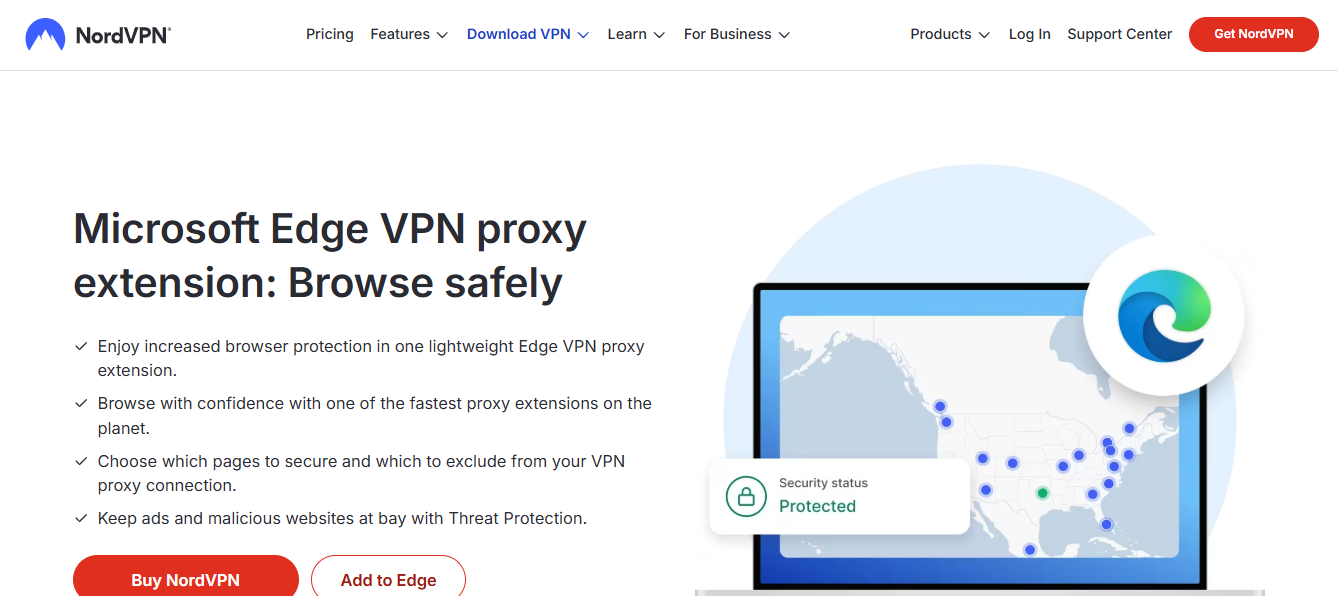
- Install the extension
- Open Chrome Web Store
- Search for the Fast vpn chrome extension fastestvpn proxy
- Add to Chrome and pin it for easy access
- Create or sign in to your account
- Some providers require an account; others let you start with a trial
- Enter payment details if you’re on a paid plan
- Select a server/location
- Choose a location near you for speed, or a location for geo-unblocking
- If streaming, pick a server known to work with your service
- Choose the protocol and security settings
- Prefer modern protocols WireGuard or OpenVPN variants where available
- Enable auto-connect on startup if you want protection from boot
- Test your connection
- Verify your IP address is different using an IP lookup tool
- Check for DNS leaks by visiting a DNS leak test site
- Run a quick speed test to gauge impact
- Start browsing or streaming
- Open your browser and navigate normally
- If streaming, test playback quality and buffering
Streaming and privacy use cases
- Bypassing geo-blocks for legitimate access e.g., country-specific content you’re entitled to
- Protecting sensitive activity on public Wi‑Fi at cafes or airports
- Privacy-preserving browsing when you don’t want your ISP to see your activity
- Safe social media use in restrictive regions where access is monitored
Pro tips: Expressvpn edgerouter x 2026
- Rotate servers if a site blocks your current one
- Use a bandwidth-friendly protocol on mobile networks to preserve data caps
- Combine with HTTPS whenever possible for end-to-end encryption
Security and privacy considerations
- Logging policies: Look for a clear no-logs commitment. Some providers claim no logs but keep metadata; always verify.
- Jurisdiction: VPNs based in privacy-friendly jurisdictions e.g., not in five eyes are preferable for privacy-minded users.
- DNS leak protection: Ensures DNS requests aren’t sent outside the encrypted tunnel.
- Kill switch: Automatically blocks traffic if the VPN disconnects to prevent leaks.
- WebRTC leaks: Disable WebRTC in the browser if your VPN doesn’t fully prevent leaks.
Speed and performance insights
- Server distance is a major determinant of latency; closer servers = lower ping
- Bandwidth and congestion vary by time of day; streaming often benefits from off-peak servers
- Some Chrome extensions have lower overhead than full VPN apps, leading to better battery life on mobile
Data-backed tips:
- For HD streaming, aim for at least 5–10 Mbps per stream; higher for 4K
- Expect a 10–30% reduction in speed when connected to a VPN on a typical consumer connection
- If you notice buffering, switch to a nearby server or reduce the number of devices connected
Privacy best practices with Fast vpn chrome extension fastestvpn proxy
- Use a strong, unique password for your VPN account
- Enable two-factor authentication if available
- Regularly update the extension and browser to patch security flaws
- Limit browser permissions requested by the extension
- Avoid using VPN extensions for sensitive transactions on shared devices; consider a full VPN client or OS-level security for critical tasks
Common issues and troubleshooting
- Extension not connecting: Check internet connection, update Chrome, reload extension, try a different server
- DNS leaks: Enable DNS leak protection, flush DNS cache, or switch servers
- Slow speeds: Pick closer servers, reduce the protocol overhead, or pause other bandwidth-heavy apps
- Blocked streaming services: Switch to servers known to work with the service or contact support
Compatibility and accessibility
- Works well with Chrome on Windows, macOS, Linux, and Chrome OS
- Android and iOS apps may offer broader OS-wide protection; consider pairing with the Chrome extension for browser-only protection
- Desktop browsers: extensions are typically sufficient for most users; for full device protection, add a system-wide VPN
Comparing top providers simplified table in text
Fast vpn chrome extension fastestvpn proxy:
- Strengths: Easy to use, good for browser-level privacy, decent streaming
- Weaknesses: Potentially limited to browser traffic, may require subscription for full features
- Best for: Quick privacy shield in Chrome, light streaming
Other VPN extension options:
- Strengths: Various server networks, some offer split tunneling and advanced features
- Weaknesses: Some extensions leak data or log activity, quality varies
- Best for: Users who want a quick browser-level solution with more options
Full VPN apps for comparison:
- Strengths: System-wide protection, stronger privacy controls, multi-device support
- Weaknesses: Higher CPU and battery usage, sometimes slower due to encryption
- Best for: Comprehensive privacy and security, multi-device setups
SEO and content optimization notes
- Keywords to consider: VPN extension, Chrome VPN, fastestvpn, proxy, secure browsing, streaming, privacy, data protection, geo-unblocking
- Content structure mirrors top-ranking posts: clear sections, practical steps, data points, and an FAQ
- Use accessible language and real-world examples to keep readers engaged
- Include a mix of formats: lists, steps, bullet points, brief tables, and practical tips
Case studies and user scenarios
- Student studying abroad: Access academic resources from home country, protect login credentials on campus networks
- Remote worker on public Wi‑Fi: Encrypts traffic to prevent eavesdropping in coffee shops
- Streamer traveling internationally: Avoids geo-blocks to watch favorite shows without long waits
Data privacy and ethics in 2026
- Privacy matters: More users demand transparent policies and independent audits
- Privacy laws evolving: Stay aware of local regulations and how they affect VPN use
- Responsible usage: Use VPNs for legitimate privacy, not to access illegal content or breach terms of service
Best practices checklist
- Before you go live: verify encryption, kill switch, DNS leak protection
- While browsing: avoid entering sensitive data on sites without HTTPS
- While streaming: choose a server known to work with your streaming service
- Regular maintenance: keep software updated, review privacy settings, re-check terms of service
Advanced topics optional deeper dive
- Split tunneling: Route some apps through VPN, others directly through ISP
- Obfuscated servers: Useful in restrictive networks to hide VPN traffic
- Multihop routing: Adds extra privacy by chaining through multiple servers
- No-logs verification: How independent audits work and what to look for
Practical guidance for different users
- Beginners: Start with a simple extension setup, test a couple of servers, and keep it on for browser sessions
- Power users: Combine with system-wide VPN for complete device protection; experiment with split tunneling
- Privacy-conscious users: Prioritize audits, zero-logs, and a strict privacy policy; consider additional privacy tools
FAQ Section Expressvpn not working with bbc iplayer heres how to fix it 2026
Frequently Asked Questions
What is a fast vpn chrome extension fastestvpn proxy?
A fast vpn chrome extension fastestvpn proxy is a browser-based VPN proxy that encrypts your Chrome traffic and hides your IP by routing it through a remote server. It’s handy for quick protection and browser-level privacy.
How does a Chrome VPN extension differ from a full VPN app?
Chrome extensions protect only browser traffic, while a full VPN app protects all traffic on the device. Extensions are faster to set up but may offer fewer features and less comprehensive protection.
Can a VPN extension help me bypass geo-blocks for streaming?
Yes, many users use VPN extensions to access geo-restricted content. However, streaming services frequently update their VPN detection, so you may need to try different servers or protocols.
Is using a VPN legal everywhere?
Laws vary by country. In many places, using a VPN is legal for privacy and security, but some regions restrict or regulate VPN use. Always check local laws.
What should I look for in a privacy policy?
Look for a clear no-logs claim, independent audits, data collection details, and how you can delete your data. Avoid providers with vague language. Express vpn 삭제 안됨 완벽 제거 가이드 2026년 최신: 남은 파일까지 제거하는 실전 체크리스트와 단계별 방법(윈도우/맥OS/리눅스)
Do VPNs protect against malware?
VPNs primarily protect privacy and data in transit, not malware. Use dedicated antivirus software and safe browsing practices.
Can a VPN slow down my connection?
Yes, encryption and routing add overhead, which can reduce speed. Choosing nearby servers and modern protocols helps minimize impact.
How do I prevent DNS leaks?
Enable DNS leak protection in the extension and consider using trusted DNS services or a full VPN with DNS leak protection.
Is WebRTC a concern with VPN extensions?
WebRTC can leak your IP address. Disable WebRTC in your browser settings if your extension doesn’t fully mitigate leaks.
Should I use a VPN on mobile devices?
Yes, many people use VPNs on mobile for secure browsing and to protect data on public networks. Some providers offer mobile-specific features and apps. Estensione browsec vpn per microsoft edge guida completa e recensione 2026
How often should I update my VPN extension?
Keep the extension updated to ensure you have the latest security fixes and features. Check for updates regularly.
Yes, fast vpn chrome extension - fastestvpn proxy is a Chrome extension that functions as a VPN proxy to protect privacy and unlock geo-restricted content. In this guide, you’ll get a clear, practical look at how it works, what to expect, and how to get the most out of a Chrome-based VPN experience. Here’s a quick, user-friendly overview you can skim before in:
- What it is and how it differs from standalone VPN apps
- How to install and configure a Chrome extension for fast browsing
- Real-world use cases: streaming, privacy, travel, and security
- Tips to maximize speed, avoid leaks, and stay safe online
- Common problems and fixes you can try today
- A comprehensive FAQ to answer the questions you’re probably asking
For readers who want to explore premium protection beyond a browser extension, consider this deal:
What this guide covers and why it matters
If you’re here, you likely want a lightweight, browser-focused VPN experience that doesn’t require installing a full desktop client. A fast vpn chrome extension - fastestvpn proxy can be a convenient option for securing Chrome traffic, bypassing geo-restrictions, and protecting privacy on public Wi-Fi. But there are trade-offs, too. Browser extensions are typically more limited than full VPN apps: they may rely on proxy-like behavior, they might not encrypt every device network connection, and some extensions can leak data if not configured correctly. This guide breaks down how to evaluate, install, and use a Chrome VPN extension responsibly so you get speed, reliability, and real privacy protections where you need them most.
What is a fast vpn chrome extension - fastestvpn proxy?
A fast vpn chrome extension - fastestvpn proxy is a browser add-on that creates an encrypted tunnel or proxy route for traffic that runs inside Google Chrome. Instead of routing all your device’s traffic through a VPN, a Chrome extension focuses on the browser’s traffic, making it quick to set up and light on system resources. Here’s what that usually means in practice:
- The extension connects you to a remote server and assigns a new IP address for your browser requests.
- Data between your browser and the VPN server is encrypted with standard protocols, protecting you on public networks.
- Some extensions offer a kill switch or DNS leak protection, but not all do. it depends on the provider and the extension design.
- Streaming, browsing, and light app usage inside Chrome can feel snappier due to optimized server networks and proximity to the user.
Key differences from a full VPN app:
- Scope: Browser traffic only versus all device traffic.
- Control: Fewer settings, simpler interfaces, faster setup.
- Security: Varies by provider. some Chrome extensions have solid protections, others rely on proxy-like mechanisms that are less robust than a full VPN.
- Compatibility: Works inside Chrome on Windows, macOS, Linux, Android, and iOS devices with Chrome or Chromium-based browsers, but not every extension supports every platform equally.
How it works in real life
When you flip the switch on a fast vpn chrome extension - fastestvpn proxy, your browser’s requests are sent to a VPN server instead of directly to the sites you visit. The target sites see the VPN server’s IP instead of your real IP, which helps with privacy and a chance to access geo-blocked content. The encryption guards your data in transit between Chrome and the VPN server, which matters on open networks like coffee shops or airports. However, the level of protection depends on the extension’s underlying technology and the server you choose.
A note on speed: speed depends on server distance, server load, your baseline connection, and the extension’s routing method. If the extension uses a proxy mode rather than a true VPN tunnel, you might see smaller performance overhead than a full VPN but with potentially different privacy guarantees. The best practice is to test several servers in different regions and pick the one that balances latency and access goals.
Why you might want a Chrome extension instead of a full VPN app
- Quick setup: install, sign in, pick a server, and you’re off.
- Lightweight footprint: less CPU and memory usage than a full desktop app.
- Browser-focused use: ideal for privacy-conscious browsing, streaming via the browser, or bypassing geo restrictions on web content.
- Convenience on shared devices: you don’t need admin rights to install extensions in many cases.
But remember:
- It won’t necessarily protect other apps on your device like your email client or torrent client unless you’re routing all traffic through a full VPN.
- Some sites and services actively detect and block VPN traffic, including Chrome extensions. you may need to switch servers or protocols.
- Always verify the extension’s privacy policy and whether it logs data.
Key features to look for in a Chrome VPN extension
- Strong encryption: AES-256 is the industry standard. look for OpenVPN or WireGuard WireGuard is known for speed and modern performance.
- DNS leak protection: prevents your real DNS from leaking outside the VPN tunnel.
- Kill switch: automatically blocks traffic if the VPN disconnects, preventing data leaks.
- No-logs policy: important if privacy is your top priority. read the policy carefully to understand what’s collected and retained.
- Multiple server locations: more location options help with streaming and bypassing restrictions.
- Easy switch between servers: quick and intuitive server selection improves user experience.
- Split tunneling if available: lets you route some traffic through the VPN and some directly to the internet.
- Browser compatibility: Chrome, Chromium-based browsers, and mobile variations where available for consistent protection.
- Clear privacy controls: straightforward controls and transparent data handling.
Performance and speed considerations
- Distance matters: the closer the server, usually the lower the latency.
- Server load: crowded servers slow things down. many extensions show current load and ping times.
- Protocol choice: WireGuard tends to offer better speeds and modern performance, while OpenVPN is highly compatible and secure but can be slower on some networks.
- Network conditions: your base internet speed affects the final performance. even the best VPN extension can’t overcome a weak connection.
- Encryption overhead: stronger encryption adds some overhead, but with modern protocols and optimized servers, the impact is often minimal for typical browsing.
Pro tip: when testing speeds, run several speed tests with the extension connected to different servers and compare results. Track your latency ms and download/upload speeds to pick the best server for your activity.
Use cases: streaming, privacy, and everyday browsing
- Streaming: many people use Chrome VPN extensions to access geo-blocked libraries like certain shows or regional catalogs. If you’re targeting streaming, pick servers known to support the service you want and be mindful of service-level blocks that some providers apply.
- Privacy and safety on public Wi‑Fi: encrypting Chrome traffic adds a layer of security on open networks, reducing the risk of eavesdropping on your browser traffic.
- Bypassing regional restrictions for research: while some sites block VPN traffic, there are instances where alternative servers or regions can help you access information more freely.
- Travel and exposure to censorship: a browser VPN extension can grant you quick access to your preferred sites when abroad or in regions with internet restrictions, at least at the browser level.
Setup and getting started step-by-step
1 Install the extension from the Chrome Web Store or your browser’s extension store.
2 Click the extension icon in your toolbar and sign in or create an account if required.
3 Choose a server location based on your goal speed, access, or proximity.
4 Toggle the VPN/proxy on and verify the new IP by visiting a site that shows your IP.
5 Enable DNS leak protection and the kill switch if available.
6 Test a few websites to ensure desired access and performance.
7 If you experience issues, switch servers or try a different protocol if the option is available.
8 Regularly update the extension to benefit from security patches and performance improvements.
Tips to maximize speed and reliability:
- Prefer nearby servers for best latency.
- Avoid overcrowded servers. check the server load indicator if available.
- Use WireGuard or the fastest protocol the extension supports.
- Disable browser extensions that may interfere with VPN traffic ad blockers can sometimes collide with network routing.
- Clear your browser cache if you notice inconsistent results after switching servers.
Privacy and security considerations
- Logging: even with a “no-logs” claim, read the privacy policy carefully to understand what is collected session data, diagnostic data, etc.. Some browser extensions anonymize data, while others may retain minimal logs. make sure you’re comfortable with what’s stored.
- Data protection: encryption protects data in transit, but you should stay mindful of the endpoint’s security as well. If the VPN provider has weak practices, your data may be exposed at the server side.
- Browser fingerprinting: even with a VPN, websites can combine browser fingerprints with IP data to identify you. Consider additional privacy practices, like using privacy-focused search engines, limiting cookies, and using additional privacy tools.
- Jurisdiction: the country where the VPN provider operates can affect data retention and legal requests. If you’re privacy-conscious, look for providers with strong privacy laws and robust data protection policies.
Alternatives and comparisons: browser extensions vs. full VPN apps
- Browser extensions Chrome VPN extensions shine in simplicity and speed for browser traffic, but they may not cover all your device’s traffic.
- Full VPN apps route all network traffic, provide more robust features like kill switches across the entire device, and often offer broader platform support.
- If you do a lot of torrenting, gaming, or use multiple apps that require VPN protection, a full VPN app is usually a better fit.
- For lighter use, a Chrome extension can be a quick and effective privacy shield for your daily browsing.
When choosing, consider:
- Your primary use case browsing, streaming, privacy, or all of the above
- The level of privacy and security you need no-logs policies, DNS protection, kill switch
- The devices you use desktop, laptop, mobile
- Your tolerance for potential speed trade-offs
Best practices for using a VPN extension safely
- Always verify the extension source: install extensions only from official stores to avoid fake or malicious add-ons.
- Check permissions: extensions should request only necessary permissions. avoid those demanding access to more data than needed.
- Use strong authentication: enable two-factor authentication if the provider offers it.
- Update regularly: keep the extension up to date to benefit from security fixes.
- Combine with other privacy tools: consider using a privacy-conscious browser, anti-tracking extensions, and a secure search engine to complement your VPN protection.
- Test for leaks: periodically test for IP and DNS leaks to ensure your browser is not exposing real data.
Real-world considerations for 2025
- The VPN market continues to grow as more people seek privacy and access to content online. With increasing awareness, browser-based VPN extensions remain popular for quick, browser-focused privacy protections.
- Streaming services continue to refine their detection of VPN traffic. You may need to rotate servers or switch providers to access certain catalogs.
- Browser security standards evolve. expect extensions to adopt stronger encryption and more robust privacy controls over time.
- Many providers emphasize policy transparency and data minimization. Reading updated privacy policies can prevent surprises in how data is managed.
Important tips for testers and power users
- Maintain a rotation plan: if you’re using a Chrome extension for daily tasks, create a short list of preferred servers you switch between for speed and reliability.
- Test with and without the extension: compare performance by loading the same pages to measure improvements and identify leaks.
- Combine with a privacy-first browser profile: consider a separate browsing profile that uses the VPN extension for sensitive tasks, while keeping a non-VPN profile for fast, everyday browsing.
- Respect local laws and service terms: VPN use is restricted or regulated in some places. Always follow local rules and the terms of service of streaming platforms and websites.
Frequently Asked Questions
# What is a fast vpn chrome extension - fastestvpn proxy?
A fast vpn chrome extension - fastestvpn proxy is a browser extension that routes Chrome’s traffic through a VPN-like server, masking your IP and encrypting data for privacy and access. It’s designed for quick setup and browser-focused protection, not a full-system VPN.
# How do I install a Chrome VPN extension safely?
Install only from the official Chrome Web Store, review the extension’s permissions, read the privacy policy, and ensure the extension has a reputable provider. Keep the extension updated and test for leaks after installation.
# Does a Chrome VPN extension encrypt all my traffic?
Not always. Many Chrome extensions act as proxies for browser traffic rather than encrypting every bit of data on your device. If you need full-device protection, combine with a full VPN app or use the extension in tandem with secure network practices.
# Can I use it to stream geo-restricted content?
Yes, you can access geo-blocked content by selecting servers in regions where the streaming service is available. Some services actively block VPN traffic, so you may need to switch servers or try different regions.
# Is there a risk of IP leaks with a Chrome extension?
There can be, especially if DNS or WebRTC leaks aren’t properly blocked. Look for extensions that offer DNS leak protection and a kill switch to minimize risk.
# Do Chrome VPN extensions keep logs?
That depends on the provider. Some advertise a strict no-logs policy. others may retain limited data for diagnostics or service quality. Always read the privacy policy before enabling the extension.
# Will using a Chrome extension slow down my internet?
Often, yes, due to the extra routing and encryption. The degree of slowdown varies by server location, protocol, and your baseline speed. Test multiple servers to find the best balance of speed and access.
# Can I use a Chrome extension on mobile devices?
Some VPN extensions are available for mobile browsers, but many users rely on dedicated VPN apps for iOS and Android. Check the extension’s compatibility with your mobile browser.
# Is it legal to use a VPN extension?
In most places, using a VPN is legal, but some countries restrict or regulate VPN use. Always understand local laws and service terms before using a VPN extension.
# How can I speed up a slow VPN connection on Chrome?
Try a nearby server, switch to a faster protocol if available like WireGuard, reduce the encryption level if possible where allowed, close bandwidth-heavy apps, and ensure you’re on a stable internet connection.
# What should I consider when comparing Chrome VPN extensions?
Look at server availability, speed, privacy policy, logs, kill switch, DNS leak protection, ease of use, and customer support. A reputable provider will offer transparent policies and reliable performance.
# Can I use this extension for safe browsing on public Wi-Fi?
Yes, for many people, it provides an extra privacy layer on public networks. However, it’s not a silver bullet. Practice good security habits: keep browsers updated, avoid risky sites, and use two-factor authentication when available.
# How often should I update my VPN extension?
As soon as an update is available. Updates often include security fixes, performance improvements, and new features that enhance protection and reliability.
# Are there free Chrome VPN extensions?
There are free options, but they often come with limitations such as data caps, slower speeds, or less transparent privacy policies. Paid providers typically offer stronger protections, better performance, and clearer privacy terms.
# What’s the best way to test VPN performance for Chrome?
Run speed tests with servers in your target regions, test streaming from your preferred services, check for DNS leaks, and confirm that your IP shown on IP-check sites is the VPN server’s address. Compare results across several servers to identify the best options.
# If the extension disconnects, what should I do?
First, check your internet connection. Then reconnect the extension, try a different server, and verify that the kill switch is enabled if you have it. If problems persist, consult the provider’s help center or support.
# Can I use multiple extensions at once?
Generally not recommended. Running multiple VPN extensions simultaneously can conflict and cause routing issues. Use a single trusted extension for browser traffic, or configure a full VPN app if you need multi-layer protection.
# How do I know if the VPN extension is actually protecting me?
Test for IP address and DNS leaks using reputable websites, observe your connection stability, and confirm that your real IP is not exposed when you’re connected to the extension. If you notice leaks, disable the extension and use different configurations or a different provider.
VPN usage in 2025 continues to be a balancing act between convenience, privacy, and performance. A fast vpn chrome extension - fastestvpn proxy offers a quick way to shield browser traffic, bypass geo-restrictions, and protect you on public networks. For broader device-wide protection or more advanced features, you may want to pair it with a full VPN app from a trusted provider. Whatever your setup, remember: privacy is a practice, not a product. Stay mindful, stay secure, and keep your browsing experience smooth and private.
九 品 堂 vpn 使用指南:如何选购、安装与优化隐私保护