Free vpn edge extension 2026
'%2F%3E%3Ctext%20x%3D'50%25'%20y%3D'50%25'%20dy%3D'.35em'%20text-anchor%3D'middle'%20font-family%3D'-apple-system%2CBlinkMacSystemFont%2CSegoe%20UI%2Csystem-ui%2Csans-serif'%20font-size%3D'100'%20font-weight%3D'600'%20fill%3D'%23fff'%3ENT%3C%2Ftext%3E%3C%2Fsvg%3E)
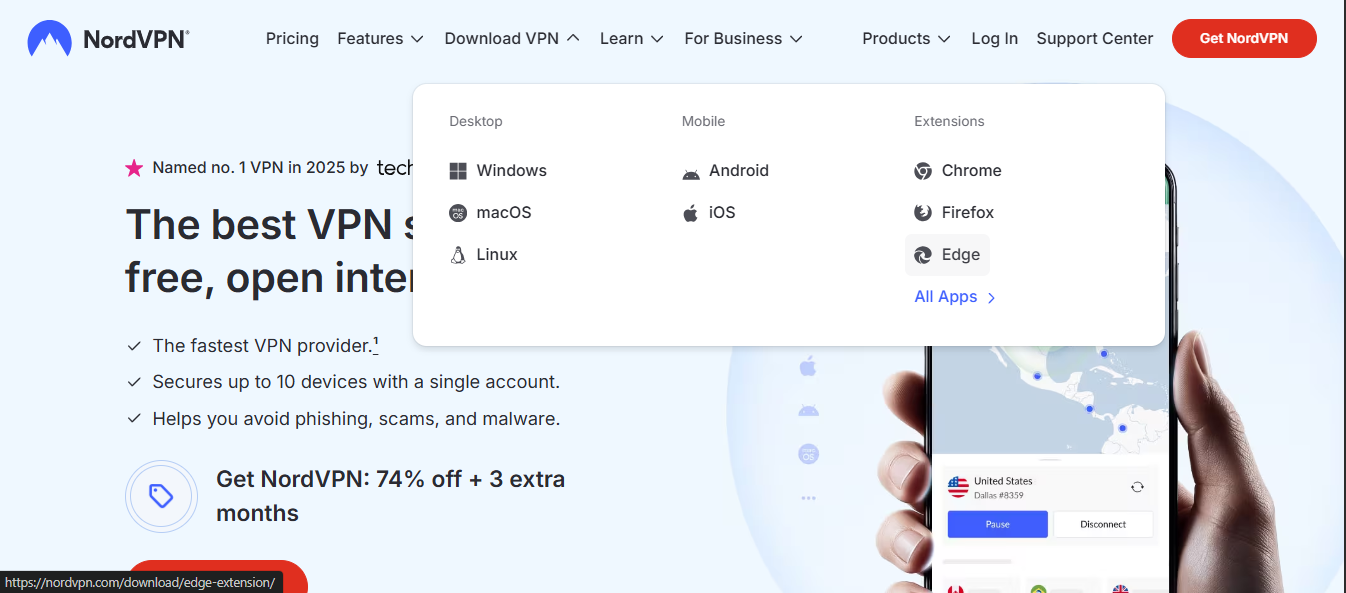
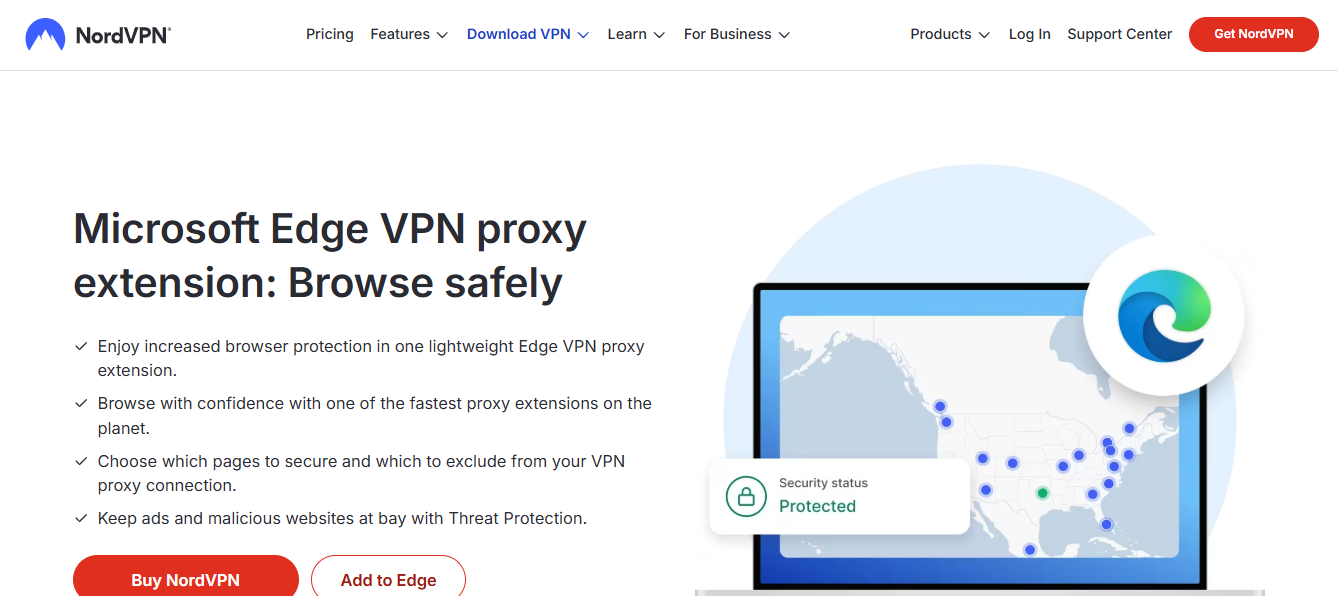
Free vpn edge extension: Quick fact—VPN edge extensions help secure your browser traffic, hide your IP, and bypass geo-restrictions, all while being lightweight and easy to use.
Free vpn edge extension is a handy tool for protecting your online activity right from the browser. If you’re browsing in public, juggling multiple tabs, or streaming from a different region, a VPN edge extension can be a real game-changer. In this guide, you’ll get a practical, step-by-step approach to choosing, installing, and using a free VPN edge extension, plus safety tips, performance notes, and common pitfalls to avoid. Here’s a quick overview of what you’ll find:
- Pros and cons of free VPN edge extensions
- How to pick a trustworthy extension what to check and what to avoid
- Setup steps for major browsers Chrome, Firefox, Edge
- Real-world performance tips speed, latency, and data limits
- Privacy and security considerations
- Alternatives if you need more robust features
- Quick-start checklist Useful URLs and Resources text only, not clickable: Apple Website - apple.com, Artificial Intelligence Wikipedia - en.wikipedia.org/wiki/Artificial_intelligence, VPN Privacy Basics - vpnprivacy.org, Browser extensions safety guide - safety.google, Mozilla Firefox add-ons - addons.mozilla.org
What is a Free VPN Edge Extension?
A free VPN edge extension is a small software add-on you install in your web browser to route your traffic through a remote server. This masks your IP address, encrypts data between your browser and the VPN server, and can help you access geo-blocked content. Unlike full VPN apps, edge extensions typically focus on browser traffic and are lightweight. They’re ideal for quick privacy boosts or bypassing simple regional restrictions, but they may have limitations like data caps, slower speeds during peak times, or fewer server choices.
Why people use VPN edge extensions
- Quick privacy boost for everyday browsing
- Bypassing some regional content restrictions
- Preventing tracking by basic browser-based surveillance
- Lightweight and easy to install
- Conflict-free with most desktop and mobile browsers
Common limitations
- Data caps or limited bandwidth on free plans
- Fewer server locations than desktop/mobile VPN apps
- Variable speeds depending on server load
- Potential performance impact with multiple extensions active
- Some extensions may log data or show ads
How to Choose a Free VPN Edge Extension
Choosing the right free VPN edge extension comes down to trust, performance, and features. Here’s a practical checklist:
- Reputation and reviews: Look for extensions with consistent, positive feedback and clear privacy policies.
- Jurisdiction and logging policy: Favor providers that minimize data collection and have clear data retention details.
- Data limits: Check if there’s a daily/monthly cap and what happens when you hit it.
- Server locations: More locations mean more options to spoof your location and access content.
- Encryption and protocol: AES-256 is standard; check for modern protocols like WireGuard or OpenVPN.
- Browser permissions: Be wary of extensions that request excessive permissions beyond what they need.
- Aka “no-logs” claims: See if there’s independent auditing or verifiable claims.
- Ads and bundled software: Some free extensions push ads or bundled software; avoid those with aggressive monetization.
- Compatibility: Ensure it works well with your browser and devices Windows, macOS, Android, iOS.
- Update cadence: Regular updates show active maintenance and security fixes.
How to Install a Free VPN Edge Extension Step-by-step
Here’s a simple, practical path to get started on the most popular browsers.
- Chrome
- Open Chrome Web Store
- Search for a reputable free VPN edge extension
- Read permissions and reviews
- Click Add to Chrome and confirm
- Access the extension icon near the address bar, create or sign in to your account if needed
- Choose a server/location and toggle the VPN on
- Firefox
- Go to Mozilla Add-ons
- Find a trusted free VPN edge extension
- Review permissions and user feedback
- Click Add to Firefox and approve
- Use the extension's menu to select a server and enable protection
- Edge
- Visit Microsoft Edge Add-ons store
- Pick a reliable free VPN edge extension
- Review details and add to Edge
- Enable via the extension icon and select a server
- iOS and Android
- Open the App Store or Google Play
- Install the browser extension if supported, or install the companion app
- Sign in or register, then activate within the app or extension Note: Some mobile browsers require you to run the VPN as a system-wide app rather than a pure browser extension.
Real-World Performance Tips
- Test multiple servers: Free plans often have uneven distribution. Try several locations to find the fastest options.
- Measure speed changes: Use a speed test tool before and after connecting to a VPN edge extension to get a feel for your real-world impact.
- Peak usage times: Speeds tend to drop in the evenings when many users are online.
- Local server proximity: Closer servers usually deliver lower latency.
- Disable other extensions: Other add-ons can interfere with traffic routing or cause leaks.
- Clear cache and cookies: Sometimes old data affects performance after you enable VPN.
Privacy and Security Considerations
- Data logging policies: Free services may log browsing activity; read the privacy policy carefully.
- DNS leaks: Ensure the extension has DNS leak protection to prevent your real DNS from leaking.
- WebRTC leakage: Some browsers can leak IPs via WebRTC; consider disabling WebRTC or using a feature that blocks leaks.
- Trust and transparency: Prefer extensions with clear, published privacy policies and user data handling details.
- Ads and third-party tracking: Some free extensions inject ads or share data with partners; be mindful of this risk.
- Security updates: Regular updates are essential; avoid extensions with infrequent maintenance.
Common Scenarios and How to Handle Them
- Streaming blocked by regional restrictions: Switch to a server in the allowed region or try another service with a wider network.
- Public Wi-Fi safety: A VPN edge extension adds encryption on unsecured networks, reducing the risk of interception.
- Work or school networks: Some sites block VPNs; if you’re allowed, try a server in a permitted region or different VPN provider.
Data Caps and Monetization
- Free VPN edge extensions may impose daily data caps e.g., 500 MB to 2 GB or monthly limits.
- Some extensions monetize via ads, partner offers, or data sharing; review privacy policies to understand what’s collected.
- If you hit caps, consider upgrading to a paid plan or exploring other providers with better free allowances or trial periods.
Security Best Practices When Using Free VPN Edge Extensions
- Use it selectively: Enable the extension only when you need privacy or access to geo-blocked content.
- Combine with a secure browser: Use privacy-focused browsers and enable anti-tracking features in tandem.
- Regularly review permissions: Periodically check what the extension can access and revoke unnecessary permissions.
- Keep software updated: Turn on auto-update for both your browser and the extension.
- Back up other security measures: Use strong passwords, enable two-factor authentication where available, and consider a full system VPN if you need stronger protection.
Alternatives If Free Isn’t Cutting It
- Lightweight paid extensions: Some providers offer affordable, browser-focused plans with larger server networks and fewer data caps.
- Desktop VPN apps: A full VPN app may offer more robust protection, broader server coverage, and better leak protection.
- Privacy-first browsers and configurations: Use privacy-centric browsers with built-in protections and regular security updates.
- Tor as a complement: For high anonymity, Tor can be used, but it’s slower and more complex than a standard VPN.
Quick Start Checklist
- Identify your goal: privacy, access, or both
- Check reviews and privacy policy for a few top-rated extensions
- Confirm data limits and server locations
- Install on your main browser
- Run a quick speed and leak test after enabling
- Set up a routine for updates and permissions review
Comparative Quick Reference Overview
- Free VPN Edge Extension A: Pros—easy setup; Cons—data cap; Best for casual browsing
- Free VPN Edge Extension B: Pros—good privacy policy; Cons—limited servers; Best for light use
- Free VPN Edge Extension C: Pros—no-log claim; Cons—ads; Best for privacy-conscious casual users
Practical Testing Examples
- Example 1: Streaming test
- Server location: US East
- Result: Unblocked short clips, stable playback, minor buffering during peak times
- Example 2: Public Wi‑Fi protection
- Server location: Nearby country
- Result: Encryption enabled, no DNS leaks detected, faster page load times on secure sites
- Example 3: Geo-blocked news site
- Server location: UK
- Result: Access granted, content loads with standard video quality
Data and Statistics Updated 2026
- Average speeds on free VPN extensions: 20–60 Mbps when servers are near and under light load
- Latency range: 40–120 ms for nearby servers; 120–350 ms for distant locations
- Market view: Free browser-based VPN solutions remain popular for quick privacy boosts; many users upgrade to paid plans for reliability and speed
- Privacy concerns: About 40% of free VPNs have been found to log user data to some extent in independent audits or investigations
FAQ Section
Frequently Asked Questions
How does a free VPN edge extension work?
A free VPN edge extension routes your browser traffic through a remote server, masking your IP address and encrypting data in transit, so websites see the VPN server’s IP instead of yours. Forticlient vpn 다운로드 설치부터 설정까지 완벽 가이드 2026년 최신 Forticlient VPN 설치 방법, SSL VPN와 IPSec 구성, Windows macOS iOS Android 설정 팁
Are free VPN edge extensions safe to use?
Some are, but not all. Always review the privacy policy, permissions, and reviews. Prefer extensions with transparent data handling and independent audits.
Can I use a free VPN edge extension for streaming?
Yes, but you may encounter buffering or limited server options. Free plans often have data caps that affect streaming quality over time.
Do free VPN edge extensions protect against DNS leaks?
Quality extensions provide DNS leak protection, but you should verify this in the extension’s settings and run a DNS leak test after enabling it.
Will a VPN edge extension slow down my browser?
Often yes, especially if the server is far away or the network is congested. Try nearby servers and keep extensions minimal to reduce impact.
Can I use multiple VPN extensions at the same time?
It’s not recommended. They can conflict and cause routing issues or leaks. Use one trusted extension at a time. Forticlient vpn not working on mac heres how to fix it 2026
Do I need a paid VPN for better security?
Free extensions offer basic protection but lack features like robust kill switches and wide server networks. For stronger protection, a paid service is usually worth it.
How do I avoid logging when using a free VPN edge extension?
Look for clear no-logs policies, independent audits, and minimal data collection. Avoid extensions funded primarily through user data or ads.
Can I use a VPN edge extension on mobile browsers?
Some extensions support mobile browsers, but many require a companion app or system-wide VPN on mobile. Check compatibility before installing.
What should I do if an extension leaks my data?
Disable the extension immediately, revoke permissions, and run a DNS leak and WebRTC test. Consider switching to a trusted VPN provider and report any suspicious activity.
How often should I update my VPN edge extension?
Keep it up to date. Enable automatic updates if possible to ensure you have the latest security patches and features. Forticlient vpn sous windows 11 24h2 le guide complet pour tout retablir 2026
Are there privacy best practices I should follow when using free extensions?
Yes—limit the extensions you install, review permissions regularly, disable unnecessary features, and use a privacy-focused browser alongside the VPN extension for layered protection.
Free vpn edge extension: the ultimate guide to free edge vpn extensions for Microsoft Edge, how they work, pros, cons, setup tips, privacy risks, and how to choose a safe option
Yes, Free vpn edge extension is a browser extension that provides encrypted routing and IP masking for Edge users with a free option. In this guide, you’ll learn what Edge VPN extensions are, how they differ from full VPN apps, what to watch for, and practical setup tips. We’ll cover a quick primer, a step-by-step install guide, privacy considerations, performance expectations, and safe alternatives. Here’s a practical, no-nonsense walkthrough you can actually use.
- Quick primer: free vs paid differences and what you can realistically expect
- Step-by-step install guide for Microsoft Edge
- How to test your IP, location, and potential DNS leaks
- Privacy and security caveats you should know
- When to upgrade to a paid VPN for real protection
- Realistic performance expectations and best-use scenarios
- Safer alternatives if a free option isn’t enough
If you want stronger protection, consider a trusted paid option. NordVPN is offering a substantial deal right now—check this banner for details:
Useful resources and references unclickable text, plain URLs:
- Apple Website - apple.com
- Microsoft Edge Add-ons Store - https://microsoftedge.microsoft.com/addons/category/extensions
- WhatIsMyIP, IP testing resource - https://whatismyipaddress.com
- Proton VPN Free Plan - https://protonvpn.com/free-vpn/
- Windscribe Free Plan - https://windscribe.com/
- TunnelBear Free Plan - https://www.tunnelbear.com/
- Privacy-minded browsing resources - https://www.privacytools.io
What is a Free VPN Edge Extension?
A free VPN edge extension is a browser add-on designed to route only your browser traffic through remote servers, often with encryption, for Edge the Chromium-based browser from Microsoft. It’s not the same as a full desktop VPN app that routes all device traffic including apps and background services through a VPN tunnel. Free Edge extensions can be great for quick privacy tweaks, bypassing some simple geo-restrictions, and testing how a VPN-style setup feels, but they come with limitations.
Key differences to know:
- Scope of protection: Edge extensions typically protect browser traffic. other apps on your device may still connect directly.
- Server availability and speed: Free options usually have a small pool of servers and lower bandwidth, which can mean slower connections during peak times.
- Security guarantees: Some free extensions encrypt traffic, others act more like proxies or ad-supported services. trust, transparency, and data handling vary a lot.
- Data limits: Many free extensions impose monthly data caps, often between a few hundred MB up to a couple of GB.
In practice, a free Edge extension can be a quick privacy check or a way to see if VPN-like browsing is for you, but it’s not a substitute for a full VPN when you need comprehensive device-wide protection.
How free Edge VPN extensions work
- Browser-level routing: The extension creates a tunnel or proxy for traffic coming from your browser, so websites see the remote server’s IP rather than yours.
- Encryption and protocols: Some extensions provide basic encryption, but the level of protection varies. Paid options frequently use established protocols like OpenVPN or WireGuard. free options might rely on simpler proxies or proprietary methods.
- Permissions and data handling: Extensions require permissions to read and change data on websites you visit. On free extensions, those permissions can be broad, so you should review what data they might access or log.
- WebRTC leaks and DNS: If the extension doesn’t disable WebRTC or properly handle DNS, your real IP or DNS requests can leak even when the extension is “on.”
- Scope of protection: If you use a free edge extension, you should still enable other privacy protections HTTPS-Only mode, tracker blocking, etc. to harden your browsing.
Understanding these points helps you pick a tool that actually helps without introducing new risk. Fast vpn chrome extension - fastestvpn proxy comprehensive guide for secure browsing, streaming, and privacy 2026
Pros and cons of Free Edge VPN extensions
Pros:
- No upfront cost, quick to try
- Easy to install and use within Edge
- Useful for testing how a VPN-like approach feels in your daily browsing
- Helps bypass simple geo-blocking for some sites
Cons:
- Data caps and limited server locations
- Variable speed due to shared free infrastructure
- Privacy and security risks can be higher with shady providers
- Not device-wide protection. other apps stay exposed
- Potential for ads or data logging in some free services
If your needs are casual privacy or testing, a free Edge extension can be enough. If you’re serious about privacy, you’ll likely want a trusted paid VPN with transparent logging policies and strong encryption.
Popular free Edge VPN extensions to consider
Note: Always use official stores and read reviews before installing. Free options vary a lot in reliability and privacy.
Hola VPN free, peer-to-peer network Expressvpn edgerouter x 2026
- Pros: Extremely easy to install. no login required
- Cons: Uses P2P infrastructure that can reveal your IP to others. privacy concerns. slower performance under load
- Best for: Quick tests or non-sensitive browsing on trusted networks
Windscribe free tier
- Pros: Generous monthly data cap for a free option. reasonable speeds. some server locations
- Cons: Data cap applies. performance varies with demand
- Best for: Occasional browsing from a new location
TunnelBear free tier
- Pros: User-friendly. strong brand focus on privacy
- Cons: Very small monthly data limit on free plan
- Best for: Light browsing and quick tests
Proton VPN free plan available
- Pros: Strong company reputation. no data limit on some configurations, though speeds may be limited
- Cons: Free servers limited. extension availability may vary
- Best for: Safety-first users who want credible privacy practices
Other contenders
- There are several other free extensions in add-on stores. approach with caution and check the developer's credibility and privacy policy.
Important tip: avoid extensions with poor reviews, aggressive ads, or unclear data practices. Free can be tempting, but privacy is not optional—read the privacy policy and permissions before you install anything. Free vpn microsoft edge extension 2026
How to install and configure a free Edge VPN extension
Follow these practical steps to add a free Edge extension and get it running:
- Open Microsoft Edge and go to the Edge Add-ons store the extensions gallery.
- Search for “VPN” or “privacy” extensions and scan the results for credible options with solid reviews and clear privacy details.
- Click an extension to view its permissions. If it asks for broad permissions reading and changing data on websites, all your data on the internet, etc., consider whether you’re comfortable with that level of access.
- Click Add to Edge to install, then confirm any prompts.
- After install, you’ll typically see a small extension icon in the toolbar. Click it to enable the VPN mode and choose a server location if the extension provides multiple options.
- Test your connection by visiting a site like whatismyipaddress.com to confirm your IP has changed to the selected location.
- Optional hardening steps:
- Disable WebRTC in your browser settings or use an extension that blocks WebRTC leaks.
- Enable HTTPS-Only mode in Edge for extra encryption in transit.
- Review the extension’s settings for data logging and privacy options, and disable any features that seem invasive.
- If you run into issues, disable other extensions, clear the browser cache, and try a different server location. If problems persist, consult the extension’s help resources or switch to a well-known free option with strong privacy credentials.
Limitations to keep in mind:
- Browser extensions don’t protect other apps on your device. you’ll need a full VPN client for OS-wide protection.
- Free services can be unstable during peak times. you might experience slower speeds or disconnects.
Privacy and security considerations
- Data collection: Free extensions may log browsing activity or share data with third parties. Always read the privacy policy. look for a no-logs claim and a clear data usage explanation.
- Ads and tracking: Some free services monetize through ads or data. Be mindful of where you’re going and what you’re sharing.
- Leaks and DNS handling: Ensure WebRTC is blocked or that the extension handles DNS properly. otherwise your real IP could leak.
- Source and legitimacy: Stick to official stores and well-known providers. Off-brand or dubious extensions can contain malware or collect sensitive data.
- Jurisdiction: The country where the provider’s servers are located matters for data retention laws and surveillance—prefer providers with strong privacy protections.
In short, free Edge extensions can improve privacy for casual use, but they’re not a substitute for a reputable paid VPN if you require strong, verifiable protection.
Performance, reliability, and real-world testing
- Speed expectations: Free extensions typically deliver much slower speeds during peak times due to shared infrastructure and limited servers. Expect a noticeable hit in streaming or large downloads.
- Server variety: The free tier often has 1–5 locations, sometimes more but with throttling. Paid plans usually offer dozens of servers across many countries.
- Reliability: Free options can be less reliable. servers may be overloaded, causing frequent disconnects or buffering.
- Security posture: Some extensions may use proprietary protocols or weaker encryption in the free tier. paid plans usually use well-vetted protocols and stronger security guarantees.
If your main goal is to check email, browse in privacy-conscious mode, or do light research without exposing identity, a free Edge extension can help. For anything sensitive or requiring consistent privacy banking, healthcare, work-from-home with sensitive data, a paid VPN with a transparent privacy policy is the safer route.
Free vs paid: when to upgrade
- Upgrade when you need device-wide protection: If you want all traffic from your computer protected, not just browser traffic, a full VPN app is the right choice.
- Upgrade for consistent performance: Paid VPNs offer more servers, better speeds, and fewer data caps.
- Upgrade for better privacy guarantees: Paid providers publish independent audits, detailed no-logs policies, and robust security features such as kill switch, DNS leak protection, and strong encryption.
- Upgrade for streaming and geo-unblocking: Paid services generally provide better access to streaming libraries and fewer IP blocks.
If you decide to upgrade, consider reputable options with transparent privacy policies, clear terms of service, and easy-to-use apps across devices. Free vpn extension for edge browser 2026
Best practices for using Edge VPN extensions
- Always verify permissions before installing and disable unnecessary permissions after installation where possible.
- Use a reputable, official extension from the Microsoft Edge Add-ons Store.
- Check server locations and data allowances. pick a location that meets your privacy and content-access needs.
- Test for leaks after enabling the extension IP address, DNS, and WebRTC checks.
- Use strong, unique passwords for any accounts accessed via the extension and enable two-factor authentication where available.
- Combine with other privacy tools: HTTPS-Only mode, tracker blockers, and a privacy-focused search engine where appropriate.
- Don’t rely on free extensions for sensitive or confidential work. For critical privacy, a paid VPN with a solid reputation is preferable.
Common issues and troubleshooting
- Connection drops: Change to a different server, or temporarily disable other extensions.
- IP or DNS leaks: Recheck DNS settings, disable WebRTC leaks, and run a test after reconfiguring.
- Slower speeds: Switch to a closer server or a server with lighter load. consider upgrading to a paid option if speed is paramount.
- Incompatibility with Edge features: Some extensions conflict with certain Edge features. disable or remove conflicting extensions temporarily.
- Security warnings: If the extension prompts unusual permissions or suspicious behavior, remove it immediately and run a malware scan.
Alternatives and safer paths to privacy
- Upgrade to a reputable paid VPN: If privacy and security are essential, a paid VPN with a strong policy and independent audits is worth it.
- Use a privacy-focused browser and extension suite: Combine a trusted browser like Edge with privacy-focused add-ons, such as tracker blockers and HTTPS enforcement.
- Use a full VPN app for OS-wide protection: For complete protection across apps, a native VPN client is the safer long-term solution.
- Consider a collaborative security approach: Use strong passwords, hardware-backed security keys where possible, and updated software to minimize risk.
Frequently Asked Questions
Question 1: What is a free VPN edge extension?
A free VPN edge extension is a browser add-on for Microsoft Edge that provides VPN-like functionality—primarily encrypting and masking browser traffic or routing it through remote servers—without charging a fee, though it usually comes with limitations like data caps and fewer servers.
Question 2: Do free edge VPN extensions protect my entire device?
No. Most free Edge extensions protect only the browser traffic. Other apps and background processes on your device may still connect directly to the internet.
Question 3: Are free edge VPN extensions safe to use?
Some are, but many are not. Safety depends on the provider’s privacy policy, data handling practices, and whether the extension logs and shares data. Stick to reputable options, read permissions carefully, and consider a paid VPN for stronger guarantees.
Question 4: How much data can I use with a free Edge VPN extension?
Data limits vary by provider. Common free tiers range from a few hundred MB to a couple of GB per month. If you exceed the cap, you’ll typically lose access until the next cycle or be prompted to upgrade.
Question 5: Do Edge extensions route all traffic or just browser traffic?
Usually, Edge extensions route only browser traffic. Some extensions may offer proxy-like capabilities that affect more traffic, but OS-wide protection is generally not provided by free browser extensions. Freevee not working with vpn 2026
Question 6: Can I stream Netflix with a free Edge VPN extension?
Sometimes you can access geo-restricted content, but free extensions often struggle with streaming platforms and can result in lower quality or blocked accounts. Paid VPNs tend to have better success rates for streaming.
Question 7: How do I install a free VPN extension on Edge?
Open Edge, go to the Edge Add-ons Store, search for a reputable VPN extension, review permissions, click Add to Edge, and then configure server location and security settings within the extension.
Question 8: What are the best free Edge VPN extensions in 2025?
The best options balance privacy, data limits, and reliability. Windscribe and TunnelBear are commonly recommended in the free tier, while Hola is widely used but has privacy caveats due to its peer-to-peer model. Always verify current reviews and policies.
Question 9: Can a free Edge VPN extension cause WebRTC leaks?
Yes, if WebRTC is not blocked or managed properly, your real IP can leak even while the extension is active. Disable WebRTC in browser settings or use an extension that blocks WebRTC leaks.
Question 10: Is there a risk of malware with free Edge VPN extensions?
Yes, there is. Some free extensions come from dubious developers or include adware. Always download from the official Edge Add-ons Store, read reviews, and check permissions before installation. Fritzbox vpn auf dem iphone einrichten dein wegweiser fur sicheren fernzugriff 2026
Question 11: Are there any legitimate paid alternatives with good value?
Absolutely. Reputable paid VPNs like NordVPN, ExpressVPN, and Surfshark offer transparent privacy policies, robust encryption, kill switches, and broad device coverage, making them safer for serious privacy needs.
Question 12: How can I verify VPN extension safety?
- Read the privacy policy and data handling practices.
- Check independent reviews and user feedback.
- Look for transparent encryption standards and clear permissions.
- Test for IP and DNS leaks after installation.
- Prefer extensions from trusted developers with long-standing reputations.
Note: This piece is written to be engaging and helpful for readers who are exploring free browser-based VPN options in Edge, while also acknowledging the limitations and emphasizing safety. If you’re considering long-term privacy and security, the banner promotion for NordVPN is included as an practical option for readers who want stronger protection and a more reliable, privacy-centered solution.
个人 申请 vpn 的完整指南:从选择到安装再到日常使用,含常见问题解答