How to use edge built in vpn 2026
'%2F%3E%3Ctext%20x%3D'50%25'%20y%3D'50%25'%20dy%3D'.35em'%20text-anchor%3D'middle'%20font-family%3D'-apple-system%2CBlinkMacSystemFont%2CSegoe%20UI%2Csystem-ui%2Csans-serif'%20font-size%3D'100'%20font-weight%3D'600'%20fill%3D'%23fff'%3ENT%3C%2Ftext%3E%3C%2Fsvg%3E)
How to use edge built in vpn? Turn it on and protect your online activity. This quick guide will show you exactly how to enable the Edge VPN, what it does, and how to get the most out of it. Here’s a quick fact to start: Edge’s built-in VPN formerly called tracking protection with VPN-like features helps mask your IP address and improve privacy while you’re online.
- What you’ll learn:
- How Edge’s built-in VPN works and what it can and can’t do
- Step-by-step instructions to enable and configure it
- Tips for maximizing privacy and performance
- Common questions and troubleshooting tips
Useful URLs and Resources text only Microsoft Edge support - support.microsoft.com Edge security and privacy overview - support.microsoft.com Windows privacy settings - support.microsoft.com What a VPN does best - en.wikipedia.org/wiki/Virtual_private_network Digital privacy basics - www.privacyguides.org
What is Edge’s Built-In VPN?
Edge includes built-in privacy features that act like a lightweight VPN by routing traffic through Microsoft’s privacy-preserving network. It’s designed to reduce cross-site tracking, change or hide your geolocation, and give you a bit more anonymity online. It’s not a full VPN service with unlimited server options or a separate app, but it’s a solid option for everyday privacy without extra software.
Key benefits:
- Hides your IP from some trackers
- Helps reduce targeted ads based on location
- Easy to enable without leaving your browser
Limitations:
- Not a traditional VPN: fewer server locations and features
- May not unblock all geo-restricted content
- Privacy depends on the provider’s policies and the browser’s implementation
How to Enable Edge’s Built-In VPN: Step-by-Step
- Check your Edge version
- Make sure you’re on the latest Microsoft Edge version. Go to Settings > About Microsoft Edge to see if you need an update.
- Open Edge Settings
- Click the three-dot menu in the top-right corner and select Settings.
- Go to Privacy, search, and services
- In the left-hand menu, find Privacy, search, and services. This is where privacy-related features live.
- Enable SmartScreen and tracking protection optional
- While not the VPN itself, enabling SmartScreen and enhanced tracking protection can complement privacy efforts.
- Find the built-in privacy features VPN-like
- Look for options labeled something like Privacy, VPN, or Privacy Sandbox settings. The exact naming can change with updates, so scan the Privacy area for anything related to a built-in VPN or privacy networking.
- Turn on the feature
- Flip the switch to enable the built-in VPN or the privacy networking feature. You may be prompted to review terms or confirm privacy preferences.
- Choose preferences
- If options exist, choose the level of privacy, whether to exclude certain sites, or allow connections on specific networks. You might see settings like “Always-on” or “Only on some networks.”
- Test your connection
- Open a new tab and visit a site that shows your IP like whatismyipaddress.com. Note any change in the displayed location or IP. This will help confirm the feature is active.
- Adjust as needed
- If sites don’t load or you notice slow performance, try toggling the feature off and on again, or adjust site exclusions.
Tips for a smoother experience:
- Clear browser cache if you notice odd site behavior after enabling the feature.
- Disable conflicting extensions that may affect privacy or network routing.
- Use the feature consistently on networks you don’t control public Wi-Fi, coffee shops, etc..
How It Impacts Privacy and Performance
- Privacy impact:
- Your IP address can be hidden from some trackers, making it harder for advertisers to fingerprint you.
- Edge’s privacy features can reduce cross-site tracking but are not a guaranteed shield against all data collection.
- Performance impact:
- Routing traffic through privacy systems can introduce slight slowdowns.
- On slower connections, you may notice more lag when streaming or loading media.
Data and statistics you can rely on: How to use a microsoft edge vpn plugin for enhanced online privacy 2026
- Global VPN usage continues to grow, with millions of users relying on privacy features for everyday browsing.
- Many users report noticeable improvements in reducing targeted ad impressions after enabling privacy features in browsers.
Practical Use Cases
- Protecting yourself on public Wi-Fi:
- When you’re at a cafe or library, turning on Edge’s built-in privacy features helps reduce tracking on a shared network.
- Surfing without geo-targeted ads:
- You might see fewer location-based ads while browsing in a different region.
- Quick privacy boost for casual browsing:
- If you don’t want to install a full VPN, this built-in feature offers a lightweight option.
Comparison: Edge Built-In VPN vs Full VPN Services
| Aspect | Edge Built-In VPN | Full VPN Service |
|---|---|---|
| Coverage | Browser-level privacy features | System-wide encryption for all apps |
| Server locations | Limited or internal routing | Dozens to hundreds of server locations |
| Speed impact | Generally minimal to moderate | Can vary; some servers may slow connections |
| Price | Typically free with Edge | Often monthly subscription |
| Unblocking geo-restricted content | May not work for all services | Better across many streaming platforms |
| Setup complexity | Very easy | Varies, may require app installation |
Best Practices for Using Edge’s Built-In VPN Effectively
- Regularly review privacy settings:
- Privacy features evolve. Check Settings > Privacy, search, and services for new options.
- Use in combination with other privacy tools:
- Consider using a privacy-focused extension, cookie management, and normal browsing hygiene for better protection.
- Be mindful of sensitive activities:
- For highly sensitive tasks financial transactions, health records, use trusted services and, if needed, a full VPN with a clear privacy policy.
- Check for updates:
- Updates can improve privacy features, add new options, or fix issues.
Real-World Scenarios and Tips
- Scenario: You’re on a shared Wi-Fi network
- Action: Enable Edge’s built-in privacy features, avoid logging into sensitive accounts on shared networks, and consider using a password manager.
- Scenario: You’re traveling and want to hide location
- Action: Turn on privacy features to reduce location leakage while browsing, especially on unfamiliar networks.
- Scenario: You want faster page loads
- Action: If you experience slowdowns, try turning off non-essential privacy features temporarily or whitelisting trusted sites.
Troubleshooting Common Issues
- Issue: Websites don’t load after enabling
- Try: Disable then re-enable the feature, or clear cache and cookies.
- Issue: Slow browsing
- Try: Switch off the feature for heavy media sites, or check if other extensions are causing slowdowns.
- Issue: IP address not changing
- Try: Ensure the feature is enabled for all networks, or restart Edge.
Security Considerations
- Edge’s built-in privacy features are a helpful layer, but no single tool eliminates all risk.
- Always combine with strong passwords, two-factor authentication, and awareness of phishing and malware.
- Be cautious with sensitive activities on networks you don’t control.
Performance and Compatibility
- Most users report minimal impact on everyday browsing, a bit more on streaming or large downloads.
- Some corporate or school networks may have restrictions that affect how privacy features work; in those cases, check with IT or network admin.
Advanced Tips for Power Users
- Create site exceptions:
- If certain sites require full functionality, allowlisted privacy for those sites to ensure they load properly.
- Combine with other privacy measures:
- Use tracker blockers and secure DNS services alongside Edge’s features for layered privacy.
- Monitor data usage:
- Keep an eye on network activity to see how much traffic is redirected by privacy features.
FAQ Section
Frequently Asked Questions
How do I know Edge’s built-in VPN is on?
You’ll typically see a toggle in the Edge settings under Privacy, search, and services. A quick check is to visit a site like whatismyipaddress.com to confirm if your apparent location or IP changes.
Does Edge’s built-in VPN work on mobile devices?
Edge mobile apps include similar privacy features, but the exact options may differ from the desktop version. Check the Settings menu on iOS or Android for privacy options.
Can Edge’s built-in VPN unblock streaming services?
It may help with some restrictions, but most streaming platforms actively block traffic from privacy tools. A full VPN service is more reliable for unblocking multimedia content.
Is Edge’s built-in VPN completely private?
It adds a privacy layer but isn’t a substitute for a full VPN. It reduces tracking and hides your IP from some sources, but complete anonymity online requires comprehensive privacy practices. How to set up nordvpn manually on windows 11 2026
Will enabling Edge’s privacy features slow down my connection?
There can be a small speed impact due to traffic routing and tracking protection. Most users don’t notice a dramatic slowdown for typical web browsing.
Can I use Edge’s built-in VPN on all networks?
Yes, but performance may vary on different networks. Some corporate networks may have protections that affect privacy features.
How do I disable Edge’s built-in VPN?
Go back to Settings > Privacy, search, and services and toggle off the feature. You may also turn off related privacy options if needed.
Do I need a Microsoft account to use Edge’s built-in VPN?
Usually not for basic privacy features, but signing in can unlock additional privacy controls and syncing preferences across devices.
Are there any privacy trade-offs I should know?
Masking your IP helps privacy, but cookies, browser fingerprinting, and other tracking methods can still collect data. Use a combination of privacy tools for better protection. How to set up an openvpn server on your ubiquiti edgerouter for secure remote access 2026
How often should I review privacy settings in Edge?
Set a monthly reminder to review settings after major Edge updates or OS upgrades to ensure you’re taking advantage of the latest protections.
How to use edge built in vpn: a comprehensive step-by-step guide to Edge Secure Network, browser-level privacy, and tips for Windows, macOS, and mobile
Introduction
Yes, you can use Edge's built-in VPN to mask your IP and protect your data. This guide explains how Edge's browser-level secure network works, what it can and can't do, and how to enable it on Windows, macOS, and mobile devices. You’ll find a practical step-by-step setup, real-world use cases, speed considerations, and tips to get the most out of Edge’s built-in VPN without installing any extra apps. I’ll also show you when it makes sense to pair Edge’s browser VPN with a full-system VPN for broader device coverage.
- Quick-start overview: what Edge Secure Network is, how to enable it, what traffic it covers, and what to expect in terms of performance and privacy.
- When to use it: safer browsing on public Wi‑Fi, accessing region-restricted content within the browser, and adding a light privacy layer for everyday tasks.
- What it doesn’t do: browser-level masking only, not a full OS-level VPN for all apps. potential data logging by providers. possible regional limitations.
- Real-world tips: test your IP after enabling, compare speeds with and without, and know when to upgrade or switch strategies.
Useful URLs and Resources plain text, unclickable
- Apple Website - apple.com
- Microsoft Edge Support - support.microsoft.com
- Edge Secure Network information - support.microsoft.com/en-us/microsoft-edge/privacy-security/secure-network
- NordVPN official site - nordvpn.com
- Wikipedia - en.wikipedia.org
What is Edge built-in VPN?
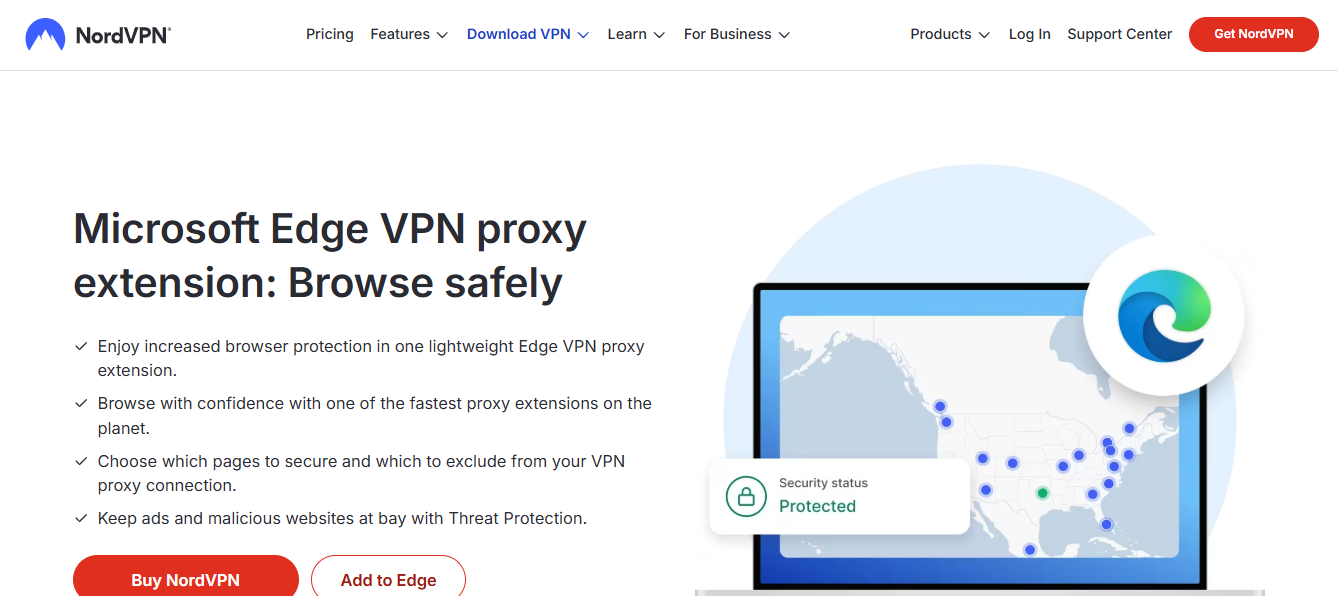
Edge built-in VPN is a browser-level privacy feature often referred to as Edge Secure Network. It routes your browser traffic through a trusted network to mask your IP address and encrypt data as it travels from the browser to websites you visit. Important things to know:
- It is browser-based, not an OS-wide VPN. Other apps on your device like your email client or a game won’t automatically ride through the Edge Secure Network.
- It leverages a third-party network typically through partnerships with providers to anonymize or obfuscate your online presence while you’re in the Edge browser.
- Availability and terms can vary by region and by Edge version. Some users may need a Microsoft account or a subscription to enable full features.
- It’s a convenient option for quick privacy gains without installing extra software, but it’s not a one-size-fits-all replacement for a full VPN.
Why this matters: browser-level privacy is great for casual browsing and public Wi‑Fi safety, but if you want system-wide protection for all apps, you’ll want a traditional VPN service in addition to Edge’s feature.
How Edge Secure Network works versus a traditional VPN
- Scope of coverage: Edge Secure Network covers only Edge browser traffic. a traditional VPN covers all network traffic from the device.
- Privacy vs. performance: browser-based VPNs can add less overhead, but performance varies by server load and network routing. full VPNs may introduce more noticeable speed changes but provide broader coverage.
- Logging and policy: Edge Secure Network policies depend on the provider’s terms. a dedicated VPN service usually has a transparent privacy policy and the ability to select server locations in more places.
- Use cases: Edge Secure Network is great for safe browsing on untrusted networks and bypassing some regional restrictions in the browser. dedicated VPNs are better for streaming, torrenting, or securing all apps work email clients, chat apps, etc..
In short, use Edge Secure Network for quick browser-level privacy and public Wi‑Fi protection. pair with a reputable VPN if you need full-device coverage or stronger privacy guarantees.
How to enable Edge built-in VPN Edge Secure Network
Note: The exact steps can vary slightly by Edge version and OS, but the general flow is consistent.
Step-by-step setup
1. Open Microsoft Edge and update to the latest version if needed.
2. Click the three-dot menu Settings and more in the upper-right corner, then choose Settings.
3. Go to Privacy, search, and services.
4. Look for Secure Network Edge Secure Network. If you don’t see it, your region might not support it yet or you may need to sign in with a Microsoft account and enable related features.
5. Turn on Secure Network. You may be prompted to sign in with your Microsoft account and accept terms.
6. If asked, choose whether you want it on for all sites or only on certain sites. Some setups offer a toggle like “Always use Secure Network” or “Turn on while using Secure Network.”
7. Test the setup by visiting a site that shows your IP or location for example, whatismyipaddress.com to confirm that your browser traffic is routing through the service.
What you might see during setup
- A prompt to sign in with a Microsoft account.
- A notification about data usage or regional availability.
- A toggle to enable or disable on a per-site basis.
Why you might need to sign in
- Signing in can unlock full features and ensure you have access to the network during your browsing session.
- In some cases, you’ll be prompted to choose a country/server region, which can affect which sites you can access or which IP appears.
Tips for a smooth setup
- Make sure Edge is up to date. features like Secure Network sometimes require the latest builds.
- If you don’t see Secure Network, try switching regions or check Microsoft Edge support for availability in your area.
- After enabling, clear the browser cache or reload pages to ensure routing has switched to the secure network.
Verification steps
- Visit a site that displays your IP and running location. Compare the reported location with your actual location to verify that the VPN-like routing is active.
- Open a few different websites to ensure traffic is routed through Edge. non-browser apps won’t be affected.
If you hit roadblocks, try:
- Restarting Edge and the device.
- Checking your Microsoft account status and permissions.
- Ensuring no conflicting VPN or firewall apps are active.
Edge Secure Network: availability, regions, and licensing
- Availability varies by region and platform. It may be rolled out gradually or gated behind a subscription on some accounts.
- Some users may receive a free tier or trial period, while others may need to subscribe for full features.
- If you rely on Edge for privacy on public networks, test in your own region to understand what’s included and what’s not.
Edge built-in VPN vs third-party VPNs: when to choose what
- Use Edge Secure Network when you want quick, browser-specific privacy without installing anything new, and you’re primarily browsing in Edge.
- Choose a full VPN service when you need:
- System-wide protection for all apps and services email apps, messaging clients, games, etc.
- Access to a broader set of server locations for streaming, tight censorship circumvention, or privacy requirements beyond Edge.
- Clear, company-neutral privacy policies and robust leak protection across all traffic.
If you’re aiming for robust privacy with minimal friction, you can start with Edge Secure Network and then layer a dedicated VPN if you find you need more coverage.
Best practices while using Edge built-in VPN
- Pair with smart privacy habits: always use HTTPS, enable tracker blocking when available, and keep Edge updated.
- Test IP and leaks: occasionally check what your IP shows on a browser-based test site to confirm protection is active.
- Combine with a full VPN when needed: for multiple devices phones, tablets, laptops, a full VPN service may be simpler than juggling multiple browser-level protections.
- Be mindful of data usage: browser VPNs may have data caps or monthly limits depending on region and plan. track usage if you’re on a limited plan.
- Consider your needs: if you’re on public Wi‑Fi for sensitive work, rely on a combination of Edge Secure Network and a reputable standalone VPN for stronger global protection.
Edge built-in VPN: performance and reliability considerations
- Expect some impact on page load times, depending on server load and distance to the edge network server.
- The impact is usually less noticeable than a full OS VPN, since only browser traffic is routed through the secure network.
- Location choice matters: selecting a server near your usual browsing region can reduce latency.
- If you encounter buffering on streaming-heavy pages, temporarily turning off Secure Network for those sites may improve performance, though this would reduce privacy for that session.
Statistical context general VPN trends
- Global VPN usage has been climbing as more people work remotely and seek privacy online.
- The VPN market has grown into tens of billions of dollars per year, with continued expansion expected as more devices connect and more streaming services employ geo-restrictions.
- Browser-based privacy features are increasingly common as a first line of defense, but many users still rely on full VPNs for comprehensive device-wide protection.
Practical tips and real-world scenarios
- Public Wi‑Fi safety: Edge Secure Network is a handy shield when you’re on coffee shop networks or airports. It adds an encryption layer to your browsing traffic and helps mask your IP while you read, shop, or check email in Edge.
- Geo-restriction testing: You can try accessing region-limited content within Edge to see if the Secure Network hides your location effectively.
- Light privacy without extra apps: If you don’t want to install anything, Edge Secure Network offers a quick privacy boost for everyday browsing.
When Edge isn’t enough
- If you need privacy outside Edge or want system-wide protection, consider a reputable VPN service for example, NordVPN, ExpressVPN, Surfshark. This provides full-device coverage, stronger privacy policies, and a broader range of servers.
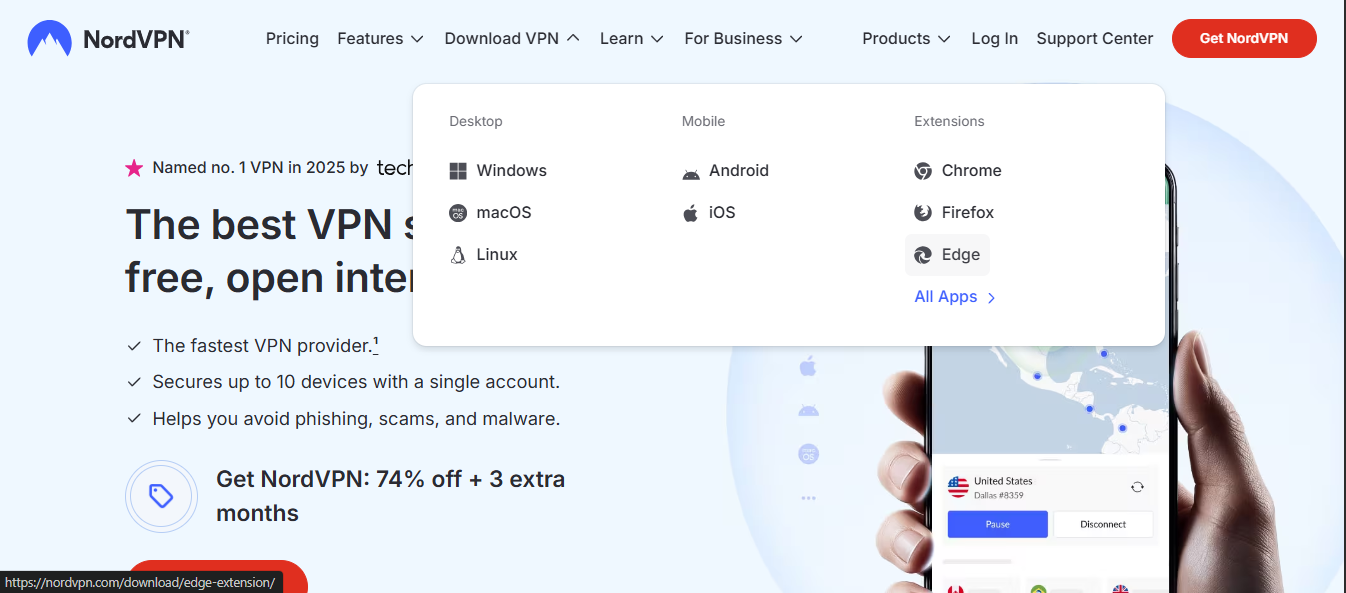
NordVPN offer affiliate
- If you’re looking for full-device coverage and extra features, you can explore NordVPN with a special offer: NordVPN 77% OFF + 3 Months Free.
Troubleshooting Edge built-in VPN
- Not available in Settings: Ensure Edge is updated to a version that supports Secure Network. regional availability can constrain visibility.
- Slower speeds or no connection: Check server selection, move closer to a different region, or pause Secure Network if the issue is with a specific site.
- Browser-only coverage issue: If you need apps outside Edge to ride on privacy protection, you’ll want a separate VPN installation on the OS level.
- Conflicts with other privacy tools: Temporarily disable other VPNs or privacy extensions to determine if there’s a conflict.
- Privacy concerns: Review Edge’s data handling policies and the provider’s privacy statement to understand what data is collected and how it’s used.
Best practices for different devices
- Windows: Ensure Windows privacy settings allow Edge to manage network connections. Keep Edge updated. Use Secure Network on for sensitive browsing sessions.
- macOS: The process mirrors Windows, but you may need to confirm security prompts from macOS when enabling new network features.
- iOS/Android Edge mobile: Mobile Edge versions may include Secure Network features, but availability varies by OS version and region. If not available, consider a dedicated VPN app on the device for mobile security.
Frequently Asked Questions
# Is Edge Secure Network a real VPN?
Yes, Edge Secure Network is a browser-level privacy feature that routes Edge traffic through a trusted network to mask IP location and encrypt traffic within the browser. It is not a full OS-wide VPN for all apps.
# How do I enable Edge built-in VPN?
Open Edge Settings > Privacy, search, and services > Secure Network, then toggle it on. You may be asked to sign in with a Microsoft account and accept terms.
# Does Edge Secure Network protect all apps on my device?
No. It protects only Edge browser traffic. Other apps and services on your device use whatever network settings your OS provides or another VPN app if installed.
# Can I use Edge Secure Network for streaming?
Edge Secure Network can help with privacy while browsing, but streaming often depends on the service and server location. If you need reliable streaming, a full VPN service is usually more dependable.
# Is it free to use Edge Secure Network?
Availability and pricing depend on region and Edge version. Some users may access a free tier or trial, while others may need to subscribe for full features.
# Will Edge Secure Network slow down my browsing?
There may be a slight speed impact due to routing traffic through the secure network. The extent depends on server load, distance, and your base connection.
# Can I choose the server location with Edge Secure Network?
In many cases, you can select a preferred region or country, which influences the IP address you appear to have and the content you can access.
# How do I know Edge Secure Network is on?
After enabling, you can verify by visiting a site that shows your IP address and location. If it changes to the region you selected, the secure network is active.
# Can I use Edge Secure Network on mobile devices?
Edge Secure Network support varies by mobile OS and Edge version. Check the Edge mobile app settings for Secure Network options and availability in your region.
# What should I do if Edge Secure Network isn’t available in my country?
If it’s not available, you can still use Edge for private browsing and consider a full-device VPN for cross-platform protection. Check for official updates or regional availability periodically.
# Is Edge Secure Network the same as a VPN?
It’s similar in concept—both aim to protect your privacy by masking your IP and encrypting traffic—yet Edge Secure Network is browser-specific and not a single, system-wide VPN service.
# Will Edge Secure Network log my activity?
Privacy and data handling depend on the provider and Edge’s implementation. Always review the terms and privacy policy for Edge Secure Network and the underlying network provider for specifics on data collection and usage.
# Can I disable Edge Secure Network temporarily?
Yes. You can toggle Secure Network off in Edge settings when you don’t need it, which can restore browser performance for sites that don’t require privacy routing.
# How do I test if Edge Secure Network is working?
Visit a site that shows your IP and location, like whatismyipaddress.com, before and after enabling Secure Network. If the IP region matches your expected location, the feature is active.
Important caveats and final notes
- Edge Secure Network is a browser-level feature designed to offer a quick privacy boost during browsing. For comprehensive device-wide protection, pair it with a trusted, full-featured VPN service.
- Availability can vary by region and Edge version, so if you don’t see the feature, check for updates or regional support notes from Microsoft Edge.
- Always stay mindful of privacy policies and terms of service for the routing network used by Edge Secure Network to ensure your data handling aligns with your expectations.
If you’re the kind of reader who wants more than a browser-level shield, thatNordVPN deal above is a solid way to extend privacy beyond Edge and protect every app on your device. For a deeper dive into VPNs and how they fit into real-world browsing today, keep exploring, testing, and adjusting to your own needs.
Vpn连不上网:完整排错清单、快速修复与安全建议