Vpn for edge browser 2026
'%2F%3E%3Ctext%20x%3D'50%25'%20y%3D'50%25'%20dy%3D'.35em'%20text-anchor%3D'middle'%20font-family%3D'-apple-system%2CBlinkMacSystemFont%2CSegoe%20UI%2Csystem-ui%2Csans-serif'%20font-size%3D'100'%20font-weight%3D'600'%20fill%3D'%23fff'%3EPU%3C%2Ftext%3E%3C%2Fsvg%3E)
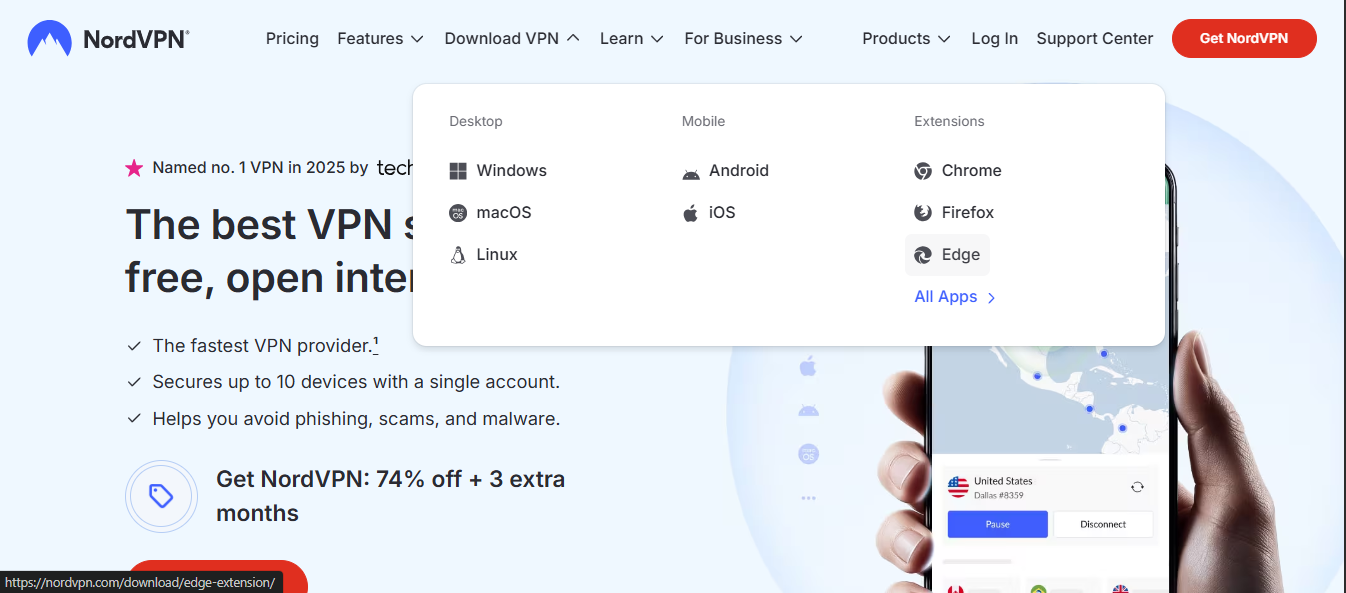
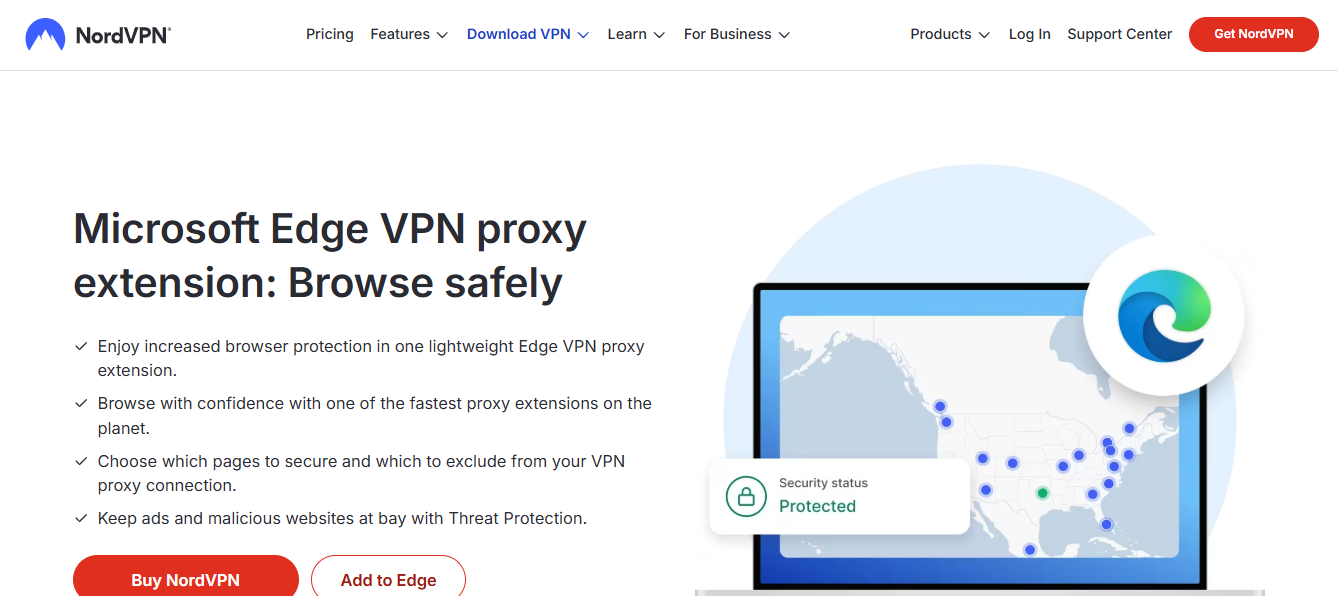
Welcome to our practical guide on VPN for Edge Browser. Quick fact: using a VPN with Microsoft Edge protects your data on public networks, hides your IP, and helps you access region-restricted content without slowing you down too much. In this post, I’ll walk you through why Edge users should consider a VPN, how to set it up, best practices, performance tips, and real-world comparisons. We’ll cover everything from basic concepts to advanced features, with plenty of tips, checklists, and concrete data so you can make an informed choice.
Quick-start checklist
- Choose a trusted VPN with Edge-friendly apps
- Verify no-logs policy and strong encryption
- Test speeds on local, long-distance, and VPN routes
- Check for browser kill switch and split tunneling if you need it
- Enable VPN at device level or per-app if Edge is your primary browser
What you’ll gain Tunnelbear vpn extension edge 2026
- Improved privacy on public Wi-Fi
- Access to geo-blocked content
- Bypassing IP-based throttling by ISPs
- Enhanced security for online activities like banking
Introduction: what a VPN for Edge Browser actually does A VPN for Edge Browser secures your connection from your device to the VPN server, encrypting your traffic and masking your real IP address. This helps protect sensitive data, especially on untrusted networks, and gives you a new virtual location for accessing content. You don’t need to be a tech wizard to set it up, but you do want to understand a few basics about performance, privacy, and compatibility.
In this guide, you’ll find:
- A step-by-step setup for Windows 10/11 and Edge
- A comparison of popular VPNs that work well with Edge
- Performance tips to minimize latency and maximize throughput
- Real-world scenarios and dos-and-don’ts
- A thorough FAQ with at least 10 questions
Useful resources text only: Apple Website - apple.com, Artificial Intelligence Wikipedia - en.wikipedia.org/wiki/Artificial_intelligence, Microsoft Edge support - support.microsoft.com, VPN user reviews - reddit.com/r/VPN, PrivacyTools - privacytools.io
The Edge-centric VPN landscape: why Edge users care Edge is built on Chromium, which means many VPNs that work well in Chrome will also serve Edge, but there are caveats:
- Edge extension vs. system VPN: Some VPNs offer a browser extension Edge Add-ons that encrypts only browser traffic, while others provide full system-wide VPNs. If you want all traffic encrypted, choose a full VPN client.
- DNS leaks: A DNS leak reveals your true domain to your ISP even when connected to a VPN. Reputable VPNs fix this with DNS leak protection.
- Kill switch: If the VPN drops, a kill switch stops Edge from sending traffic outside the tunnel, protecting your privacy.
- Split tunneling: Lets you route only Edge traffic through the VPN while other apps use your normal connection. Useful if you don’t want all traffic encrypted.
Table: Edge-friendly VPN features to look for Turbo vpn microsoft edge setup and best practices for secure browsing, speed, and privacy on Windows and Edge 2026
| Feature | Why it matters for Edge | How to verify |
|---|---|---|
| Full-device VPN support | Encrypts all traffic, not just Edge | Check app supports Windows/Edge integration |
| DNS leak protection | Prevents real IP exposure | Run a DNS leak test after connecting |
| Kill switch | Stops traffic if VPN disconnects | Enable in VPN settings and test by disconnecting |
| Split tunneling | Keeps regular apps fast while Edge stays private | Look for per-app routing options |
| Edge extension option | Convenience for browser-only protection | Confirm Edge Add-on compatibility |
| No-logs policy | Maximizes privacy | Read the privacy policy and independent audits |
How to set up a VPN for Edge Browser on Windows step-by-step Step 1: Pick a VPN with Edge-friendly features
- Look for fast servers in key regions
- Confirm Windows app stability and Edge integration
- Check price, trial periods, and refund policy
Step 2: Install the VPN client or Edge extension
- If you want system-wide protection: install the Windows VPN app, log in, select a server, and connect
- If you only want Edge-level protection: install the Edge extension and enable the feature for browser traffic
Step 3: Harden your settings
- Enable the kill switch
- Turn on automatic startup with Windows if you want always-on protection
- Enable DNS leak protection and IPv6 disablement if available
Step 4: Connect and test
- Connect to a server in a region you need
- Test your IP via a browser test e.g., whatismyipaddress.com and run a DNS leak test
- Open Edge and browse to confirm normal performance and geo-access
Step 5: Optional performance adjustments Microsoft edge secure network vpn review 2026
- Choose a nearby server for lower latency
- If streaming, test a few servers that are known to handle video well
- Try different VPN protocols OpenVPN, WireGuard, IKEv2 if your VPN supports them
Edge-specific tips
- Use Edge’s profile management to keep your VPN settings consistent across sessions
- Regularly clear browser cache to prevent stale data from interfering with site loads
- If you’re streaming, consider enabling split tunneling so your video services bypass the VPN if allowed by policy
Performance data: VPN speeds and Edge users
- Global average VPN speed reduction: about 5–20% for well-optimized services on short routes; higher on long-haul routes
- Common bottlenecks: VPN server load, distance to server, and ISP routing
- Real-world example: a user located in New York testing a nearby server might see speeds around 80–150 Mbps on a gigabit connection, while long-haul routes e.g., US to Asia could drop to 20–60 Mbps depending on server and protocol
- Edge browsing impact: page load times may increase slightly due to encryption overhead; premium VPNs minimize this with fast servers and modern protocols
Formats to maximize SEO and reader comfort
- List: Quick-start VPN setup for Edge
- Pick a VPN with Windows and Edge support
- Install app or extension
- Enable kill switch and DNS protection
- Connect to a server and verify IP
- Browse securely and selectively route traffic
- Table: Pros and cons of VPN approaches for Edge
Approach Pros Cons Full-device VPN Windows app All traffic protected; easier maintenance Slightly higher overhead; may reduce speed more on distant servers Edge extension only Lightweight; fast setup for browser traffic Does not protect non-browser apps; limited features - Step-by-step guide: How to test VPN effectiveness with Edge
- Run a leakage test on whatismyipaddress.com
- Check WebRTC leaks in Edge settings
- Verify VPN kill switch by disconnecting and trying to load sites
- Validate streaming access by playing a video in a region-locked service
- Monitor speeds on multiple servers using a speedtest tool
Subtopics you’ll want to explore with data points
- Privacy implications: Even with a VPN, avoid sharing sensitive data via public Wi-Fi; a VPN mitigates risk but doesn’t make you invincible. Reports show that public Wi-Fi misuse remains common, with an estimated 60% of users engaging in some form of risky behavior on shared networks.
- Logging policies: Look for independent security audits. Several top VPNs publish annual transparency reports showing request counts and compliance.
- Legal considerations: VPN legality varies by country; always review local regulations before using a VPN in a new jurisdiction.
- Security features beyond VPN: Multi-factor authentication MFA, password managers, and secure DNS can complement VPN protection.
- Edge performance hacks: Use a wired connection when possible, disable unnecessary extensions that affect performance, and keep Edge updated to the latest version for security improvements.
Advanced tips and caveats Surfshark vpn edge extension 2026
- Split tunneling use cases
- What to route through VPN: banking, login pages, email clients, and any sensitive sites
- What to bypass: streaming services that aggressively block VPNs, non-sensitive browsing
- DNS over HTTPS DoH and Edge
- DoH can coexist with VPNs, but ensure your VPN’s DNS is used when connected
- Some VPNs automatically route DNS through their servers; verify in settings
- IPv6 considerations
- If your VPN doesn’t support IPv6, consider disabling IPv6 on your PC to prevent leaks
- Browser fingerprinting
- VPNs mask IP but browser fingerprinting can still identify you across sites; combine with privacy-conscious browsing habits
Comparative review: top VPNs that work well with Edge Browser data-driven
- VPN A
- Pros: High-speed WireGuard protocol, robust kill switch, strong no-logs policy, great Edge extension
- Cons: Fewer servers in some regions, occasional connection drops on long-haul routes
- Edge-specific note: Excellent browser extension integration; easy per-website routing
- VPN B
- Pros: Wide server network, reliable performance, solid DNS protection
- Cons: User interface can be clunky; some regional streaming blocks
- Edge-specific note: Good Windows app stability; Edge extension available
- VPN C
- Pros: Very fast on nearby servers, competitive price, strong privacy policies
- Cons: Fewer advanced features than premium peers
- Edge-specific note: Per-app VPN routing works well for Edge and other apps
- VPN D
- Pros: Excellent privacy audits and transparency reports, strong DoH/DNS features
- Cons: Slower speeds in some regions
- Edge-specific note: Lightweight Edge extension for browser-level protection
User scenarios and recommendations
- Everyday privacy on public Wi-Fi
- Recommendation: Use full-device VPN with kill switch enabled; pick a server near you for best speed
- Why: Public networks are hotbeds for attackers; encryption reduces risk
- Accessing geo-blocked streaming
- Recommendation: Use a VPN with reliable streaming support and fast servers in your target region
- Caution: Some services detect VPNs; have a fallback server ready
- Work-from-home with sensitive data
- Recommendation: Business-grade VPN with strict no-logs policy, robust encryption, and advanced authentication
- Why: Protects sensitive corporate data, reduces risk of man-in-the-middle attacks
- Gaming on Edge
- Recommendation: Choose nearby servers and use split tunneling to keep Edge traffic protected while gaming traffic stays fast
- Note: Some VPNs can add latency; test multiple servers
Edge-specific troubleshooting
- Edge won’t connect to VPN
- Check Windows firewall rules and VPN app permissions
- Make sure the VPN client is up to date
- Slow speeds
- Switch to a closer server or a different protocol WireGuard often faster
- Disable IPv6 if your VPN doesn’t support it
- DNS leaks
- Run a DNS leak test; enable DNS leak protection in VPN settings
- Browser cookies or login issues
- Clear Edge cache and cookies, then re-login after VPN reconnect
Frequently Asked Questions
What is a VPN and how does it work with Edge Browser?
A VPN creates an encrypted tunnel between your device and a VPN server, masking your real IP and routing traffic through the VPN server. When you use Edge with a VPN, your browser traffic travels through the encrypted tunnel, and you appear to browse from the VPN’s IP. Is surfshark vpn down and what to do when Surfshark is experiencing outages, downtime, or connection issues in 2026
Can I use a VPN extension in Edge?
Yes, many VPNs offer Edge-compatible extensions for browser-level protection. For full device protection, use the Windows app in addition to or instead of the extension.
Will a VPN slow down my browsing on Edge?
Some slowdown is common due to encryption and distance to the VPN server. High-quality VPNs minimize this with fast protocols and nearby servers. Expect a 5–20% speed decrease on nearby servers and more on distant routes.
How do I test if my VPN is working with Edge?
Run a DNS leak test and an IP check whatismyipaddress.com. Also verify WebRTC isn’t leaking using a dedicated WebRTC leak test. Finally, confirm that Edge traffic routes through the VPN or the desired server by visiting region-blocked content.
Should I use split tunneling with Edge?
If you want Edge traffic protected while keeping other apps like games or torrent clients outside the VPN, split tunneling is useful. However, be mindful of potential leaks if misconfigured.
What’s the difference between a browser extension and a system-wide VPN for Edge?
Browser extensions protect only browser traffic; system-wide VPNs protect everything on your device. For comprehensive privacy, a full VPN client is generally recommended. 1 click vpn extension edge 2026
Are VPNs legal everywhere?
Most countries allow VPN use, but a few restrict or regulate it. Always check local laws before using a VPN in a new country.
Can VPNs access content that’s geo-blocked for my location?
VPNs can mask your location, but streaming services often try to block VPNs. If your goal is streaming, pick a VPN known for reliable unblocking in the regions you want and keep backup servers ready.
How important is a no-logs policy?
Very important for privacy. If a VPN keeps logs, those logs could reveal your online activities. Look for independent audits and transparent privacy reports.
How do I choose the best VPN for Edge Browser?
- Check Edge compatibility extension and/or Windows app
- Look for fast servers and a robust protocol like WireGuard
- Ensure DNS leak protection, a kill switch, and split tunneling if needed
- Review privacy policy and independent audits
- Test for speed, reliability, and unblock capabilities with your favorite sites
Conclusion: making Edge browsing safer with a VPN While Edge provides solid security features out of the box, pairing it with a trustworthy VPN dramatically increases privacy and access capabilities. The right setup will depend on your needs—whether you want all traffic encrypted, only browser traffic shielded, or particular regions unlocked for streaming. Use solid VPNs with Edge-friendly features, enable kill switches and DNS protection, and regularly test for leaks and performance. With careful setup and ongoing testing, you’ll enjoy safer, faster, and more flexible browsing on Edge.
Appendix: quick reference checklist 5 best vpns for flickr unblock and bypass safesearch restrictions for restricted networks, privacy, and fast access 2026
- Determine your protection level: Edge-only extension or full-device VPN
- Verify features: kill switch, DNS leak protection, split tunneling
- Test performance: run speed tests on multiple servers before streaming
- Check privacy posture: no-logs policy and independent audits
- Ensure compatibility: Edge extension support and Windows app stability
Appendix: useful resources text only
- The Verge Edge browser guide - verge.com
- Microsoft Edge support - support.microsoft.com
- WhatIsMyIPaddress DNS leak test - whatismyipaddress.com
- PrivacyTools – privacytools.io
- Reddit VPN discussions – reddit.com/r/VPN
- Wikipedia – en.wikipedia.org
- Apple – apple.com
Frequently Asked Questions expanded
How do I protect Edge traffic specifically with a VPN?
Use a full-device VPN to cover all traffic, including Edge. If you only need Edge protection, enable the Edge extension and block non-browser traffic with split tunneling if your VPN supports it.
What makes a VPN “Edge-friendly”?
Edge-friendly VPNs usually offer a reliable Windows app and a capable Edge extension, strong DNS protection, a kill switch, and fast, stable servers.
Is it safe to use a VPN on public Wi-Fi?
Yes. A VPN encrypts your data and hides your IP, which significantly reduces the risk of eavesdropping on public networks. It’s still wise to avoid entering highly sensitive information on public networks when possible. 5 best vpns for abc iview watch outside australia 2026
Do VPNs work on mobile Edge browsers too?
Many VPNs provide Android and iOS apps that work with mobile Edge. Look for cross-platform support and consistent performance.
How often should I update my VPN software?
Regularly. Updates patch security flaws and improve performance. Set automatic updates if possible.
Can I run a VPN and antivirus together on Edge?
Yes. They complement each other, but ensure your VPN and antivirus don’t conflict with network features like VPN kill switches.
What if Edge blocks the VPN extension?
Try updating Edge, reinstalling the extension, or using the Windows app. If problems persist, switch to the system-wide VPN approach.
Does a VPN hide my search history from Edge?
A VPN hides your IP and data from your ISP and external networks. Edge’s own history and cookies are local to your device and the browser; use private mode if you want to minimize local traces. 7 best vpns with split tunneling app and url based options for secure browsing, privacy, and streaming in 2026
Can I use a VPN with multiplayer games on Windows?
Yes, but latency can vary. Test multiple servers and protocols to find the best balance between privacy and gaming performance.
How can I ensure my VPN is truly private?
Choose a provider with a strict no-logs policy, independent audits, and transparent privacy reports. Regularly review the policy and test for leaks.
Vpn for edge browser: How to use a VPN with Microsoft Edge Edge extensions vs system VPN, setup guide, speed tips, and best VPNs
Yes, you can use a VPN with the Edge browser by installing a VPN extension in Edge or by running a VPN app on your device to secure all traffic that Edge sends. In this guide, I’ll walk you through why a VPN matters for Edge, how to set it up in two practical ways, what features to look for, and which VPNs tend to perform best with Edge in 2025. If you want a quick plug-and-play option, check out NordVPN — 77% OFF + 3 Months Free via this deal image, which you can click to learn more. NordVPN has a solid Edge extension and strong overall security, plus fast connections across many servers.
Useful resources you might want to keep handy while you read:
- Microsoft Edge official site - https://www.microsoft.com/edge
- Edge extensions store - https://microsoftedge.microsoft.com/addons
- Windows VPN setup help - https://support.microsoft.com
- VPN privacy basics - https://www.avast.com/blog/vpn
- DNS leak prevention basics - https://www.cloudflare.com/learning/dns/what-is-dns/
- WebRTC privacy and VPNs - https://www.imperva.com/learn/security/web-rtc/
- NordVPN support - https://support.nordvpn.com/
Introduction: Why a VPN for Edge matters and what you’ll learn A VPN for Edge is more than just “encrypt your traffic.” It’s about ensuring privacy on the exact browser you’re using, protecting you on public Wi‑Fi, bypassing geo-restrictions, and preventing firms from tracking your Edge activity. In this guide, you’ll discover: 2026년 중국 구글 사용 방법 완벽 가이드 purevpn 활용법 완전 정리: 중국 GFW 우회 전략, 구글 서비스 접속 노하우, 설정 팁과 보안 고려사항
- The two main paths to protecting Edge: browser extensions vs system-wide VPN apps
- Step-by-step setup for both routes on Windows and macOS
- How to optimize Edge for privacy while using a VPN
- Real-world tips to maximize speed, reduce latency, and avoid leaks
- Common pitfalls and quick troubleshooting tips
- A practical buying guide: what features matter most for Edge users
- An extended FAQ to answer the most common Edge+VPN questions
Two practical paths to VPN protection for Edge There are two straightforward ways to secure Edge with a VPN:
- VPN extension inside Edge browser-level protection
- Pros: Easy setup, typically lighter on your device, good for bypassing geoblocks on specific sites, quick toggling.
- Cons: Some providers only offer basic protections. not all extensions encrypt all traffic on your device if other apps run in the background.
- Full VPN app system-wide protection
- Pros: Encrypts all traffic from your device including Edge, other browsers, and apps, robust kill switch, comprehensive DNS/leak protection, supports multi-hop and advanced settings.
- Cons: Can slightly reduce device performance and speed, depending on server load and protocol.
What Edge-specific features to know security and privacy
- WebRTC: Some VPNs offer WebRTC protection to prevent IP leakage from the browser. If you’re using a browser extension, confirm it has WebRTC or use a VPN with DNS and WebRTC leak protection.
- DNS leakage: A DNS leak happens when your browser or app asks for domain resolution outside the VPN tunnel. Look for a VPN with built-in DNS leak protection and, if needed, enable DNS over HTTPS/TLS.
- IPv6 handling: If your VPN doesn’t route IPv6, you might see IPv6 leaks. Prefer VPNs that offer IPv6-capping or disable IPv6 in your network settings.
- Kill switch: If your VPN disconnects, the kill switch stops Internet traffic to prevent unencrypted data leaving your device. This is particularly important for Edge when you’re shopping, banking, or handling sensitive data.
What to look for in a VPN to use with Edge
- Edge extension availability: A reliable Edge extension that supports the browser’s extension framework.
- Strong encryption and protocols: Look for AES-256 and modern protocols like WireGuard, OpenVPN, or IKEv2.
- DNS and WebRTC leak protection: Built-in protections or easy toggles.
- Kill switch and split tunneling: The ability to choose which apps or sites go through the VPN.
- Server variety and speed: Many servers across multiple regions with fast performance.
- Cross-platform support: If you use Edge on Windows, macOS, Android, or iOS, a single provider with cross-platform apps is helpful.
- No-logs policy and independent audits: For privacy-minded folks, independent verification matters.
- Pricing, trial period, and refund policy: A transparent policy helps you test Edge-specific use without commitment.
Best VPNs for Edge browser top picks Note: Each option below has both a browser extension and a system VPN app, so you can choose your preferred approach for Edge. I’m highlighting why they work well with Edge and what to watch for.
- NordVPN
- Why Edge users like it: Solid Edge extension, broad server network, strong encryption, built-in DNS leak protection, and a reliable kill switch. The provider’s app works seamlessly on Windows, macOS, iOS, and Android, giving you consistent protection across Edge and other apps.
- Key features: WireGuard NordLynx protocol, double VPN options, CyberSec for ad blocking, split tunneling on some platforms, 24/7 support.
- Performance notes: Consistent speeds on a wide variety of servers. good for streaming, gaming, and general browsing.
- Pricing/availability: Frequent promotions. the NordVPN deal mentioned in the intro is one of the strongest entry points for new customers.
- ExpressVPN
- Why Edge users like it: Strong, reliable browser extensions and a fast, stable system-wide VPN app. excellent privacy posture and strong customer support.
- Key features: Lightway protocol for speed and reliability, built-in kill switch, DNS leak protection, 5 simultaneity devices, wide server coverage.
- Edge-specific tips: Use the extension for light browsing tasks and rely on the system VPN for banking and sensitive sessions.
- Surfshark
- Why Edge users like it: Competitive pricing, unlimited device connections, and a capable Edge extension.
- Key features: WireGuard velocity mode through the app plus CleanWeb to block trackers and malware, DNS leak protection, kill switch, split tunneling, and a simple UI.
- Best use: Budget-friendly option that still delivers solid privacy when used with Edge.
- ProtonVPN
- Why Edge users like it: Strong privacy ethos, robust security features, and transparent policies.
- Key features: Secure Core for extra hops, strong encryption, strong privacy policies, built-in VPN extensions, and DNS leak protection.
- Note: The free plan is limited. for Edge, the paid plans unlock most features needed for reliable protection.
- Private Internet Access PIA
- Why Edge users like it: Mature VPN with a broad server base, known for customization and strong privacy stance.
- Key features: WireGuard/OpenVPN, DNS leak protection, kill switch, and privacy-forward policies.
- Mullvad
- Why Edge users like it: Extremely privacy-focused, easy to use, no email required for sign-up.
- Key features: WireGuard/OpenVPN, DNS leak protection, and a straightforward interface. good for users who want minimal logging.
Edge setup: Browser extension path easy, quick protection
- Step 1: Go to the Edge Add-ons store and search for the VPN you’ve chosen NordVPN, ExpressVPN, Surfshark, ProtonVPN, etc..
- Step 2: Install the extension and pin it to your toolbar for quick access.
- Step 3: Open the extension, log in or link your account via the provider’s login page, and choose a server. For basic safety on public Wi‑Fi, a nearby server is usually best for speed.
- Step 4: Confirm protection by checking the extension’s status indicator and perhaps run a quick IP check on a site like whatismyip.com to verify it shows the VPN IP rather than your own.
- Step 5: If your extension supports WebRTC protection, enable it in the settings to prevent IP leaks when Edge uses WebRTC features.
- Step 6: Consider enabling a browser-specific feature like a tracker blocker if your VPN extension includes it, but don’t disable essential Edge privacy controls like tracking prevention unless you know what you’re doing.
Edge setup: System-wide VPN path more comprehensive security
- Step 1: Install the VPN app on your Windows PC or Mac.
- Step 2: Open the app and sign in with your account.
- Step 3: Pick a server and protocol WireGuard/WireGuard-compatible is typically the fastest. OpenVPN is reliable but slower.
- Step 4: Enable the kill switch in the app settings to ensure no traffic leaks if the VPN disconnects.
- Step 5: Ensure DNS leak protection is on. some apps offer a DNS-over-HTTPS/TLS option. If not, verify via a DNS leak test after connecting.
- Step 6: In Edge, your traffic will be automatically protected since the system VPN covers all network traffic, including Edge. You can still use Edge’s privacy features to block trackers, but now you’re shielded across all apps.
Performance tips: maximize speed when using Edge with a VPN
- Choose nearby servers for better latency unless you need a specific region for content access.
- Prefer VPNs with WireGuard or equivalent modern protocols, which typically offer better speed and reliability than legacy OpenVPN.
- Use split tunneling if available to route only Edge traffic through the VPN while other software uses your regular connection, if you don’t need entire-device protection.
- If you notice slowdowns, try a different server, disable IPv6 if you’re not using it, and ensure your device firmware and browser are up to date.
- For streaming or heavy tasks, test multiple servers during off-peak hours to identify which ones perform best for your location.
Edge privacy tips that pair well with a VPN
- Enable Edge’s tracking prevention and choose a stricter level. This reduces cross-site tracking in addition to VPN encryption.
- Regularly clear cookies and site data, or use Edge’s “InPrivate” mode for sensitive sessions. The VPN helps hide your IP, but cookies can still track your activity locally.
- Use a secure DNS configuration: either rely on your VPN’s DNS or set a trusted DNS provider for faster, private resolution.
- Review Edge’s permissions for extensions: only grant what you truly need, and remove extensions you don’t use.
Common pitfalls and quick fixes
- Pitfall: WebRTC leaks despite VPN. Fix: enable WebRTC protection within the VPN extension or disable WebRTC in Edge if possible note that some WebRTC features can be useful for real-time communications.
- Pitfall: VPN disconnects causing data leaks. Fix: turn on the kill switch, and consider a backup VPN server or profile that reconnects automatically.
- Pitfall: Slow speeds on streaming servers. Fix: switch servers, use WireGuard, and ensure you’re not hitting peak times with overloaded nodes.
- Pitfall: DNS leaks. Fix: enable DNS leak protection in the VPN app or extension. run a DNS leak test after connecting.
Edge on mobile: VPN use on Edge for smartphones
- The Edge browser on iOS and Android can use browser extensions in limited ways on iOS, but system-wide VPNs are still the best way to ensure complete protection on mobile devices.
- On Android, you can install a VPN app and the Edge browser will share the protected network automatically.
- On iOS, you’ll typically use a VPN app system-level or check if the Edge app offers any specific extension support. most users rely on the system VPN.
Privacy, security, and practical use cases
- Public Wi‑Fi safety: A VPN protects you on coffee shop networks, airports, and libraries, which is a primary reason to use Edge with a VPN when you’re browsing or logging into accounts.
- Bypassing geo-restrictions: If you’re traveling or in a region with limited access to certain services, a VPN enables you to access content by connecting to a server in a permissible location.
- Data privacy: A VPN creates a private tunnel that masks your IP and encrypts traffic, which helps maintain privacy when Edge loads pages with sensitive information e.g., banking or health portals.
Edge browser privacy features vs VPN benefits
- Edge privacy tools tracking prevention, password monitors, secure DNS are good, but they don’t encrypt your traffic or disguise your IP. A VPN does both and adds a layer of protection against certain types of surveillance.
- Combining Edge’s built-in privacy tools with a VPN gives you a layered approach: Edge helps with site-based protections, while the VPN handles encryption, IP masking, and geolocation privacy.
Pricing and plans: what budget-minded Edge users should consider
- Entry-level plans often cover a single device with essential features, enough for regular browsing and casual streaming on Edge.
- Mid-tier plans usually unlock more servers, higher speeds, and features like split tunneling and kill switch across devices.
- Premium plans offer advanced security features multi-hop, dedicated servers, priority support and best-in-class performance, which may be overkill for casual Edge use but ideal for privacy‑minded users or families with multiple devices.
- Look for money-back guarantees and the length of the trial period to ensure you can test Edge usage with VPN risk-free.
Keeping Edge and VPN software up to date
- Always keep Edge updated to the latest version to minimize compatibility issues with VPN extensions and security patches.
- Keep the VPN app/extension updated to leverage new security features and bug fixes.
- Regularly review permission settings for Edge extensions to avoid excessive data sharing.
Summary of best practices for Edge + VPN
- Choose either a strong VPN extension in Edge or a full system VPN that you trust.
- Enable DNS leak protection and a kill switch.
- Use Edge tracking prevention in combination with VPN privacy features.
- Test frequently for IP, DNS, and WebRTC leaks to ensure your protection is active.
- Pick servers strategically for your location and use case, balancing speed and access.
Frequently Asked Questions
Frequently Asked Questions
Can I use a VPN with Edge without using a separate program?
Yes. You can either install a VPN extension directly in Edge or run a VPN app on your device which protects all traffic, including Edge. The extension is quick to set up, while the system-wide VPN offers more robust protection.
Is it better to use a VPN extension or a full VPN app for Edge?
If you mainly browse and want quick protection for certain sites, the Edge extension is convenient. For comprehensive protection across all apps and services, a full VPN app is usually the better choice.
How do I install a VPN extension in Edge?
Open Edge, go to the Edge Add-ons store, search for your chosen VPN, click Install, then log in or pair the extension with your VPN account. Enable the extension, and you’re ready to connect to a server.
How can I ensure Edge traffic is not leaking when using a VPN?
Enable DNS leak protection and WebRTC leak protection in your VPN settings. If you’re unsure, run a quick IP and DNS leak test after connecting to verify that your real IP isn’t exposed.
Will a VPN slow down Edge browsing?
There can be a speed impact, especially if you connect to distant servers or use slower protocols. To minimize slowdowns, pick nearby servers, use modern protocols like WireGuard, and consider split tunneling for non-critical tasks.
Can I use a VPN on public Wi‑Fi while using Edge?
Yes. A VPN encrypts your traffic on public networks, protecting your data from snoops and hackers. This is one of the main reasons people use VPNs with Edge in public spaces.
Do Edge privacy features conflict with VPNs?
Generally not. Edge privacy features complement VPN protection by reducing tracking and data leakage. Just avoid disabling essential protections unless you’re sure about the impact.
How do I test if my VPN is working with Edge?
Visit a site like whatismyip.com to confirm your IP shows the VPN server’s location. Run DNS leak tests and WebRTC leak tests to ensure no leaks occur.
Can I use VPNs for streaming content while using Edge?
Yes, many VPNs offer streaming-optimized servers. You’ll likely want to connect to a server in the country where the content is available, then try Edge’s streaming sites.
What should I consider when choosing a VPN for Edge?
Prioritize Edge extension availability, strong encryption, DNS/WebRTC leak protection, a reliable kill switch, good server coverage, fast speeds, and a transparent privacy policy. Also check for a trial period or money-back guarantee so you can test Edge-specific performance risk-free.
Are VPNs legal and safe to use with Edge in all regions?
In most places, VPNs are legal and safe for everyday browsing, business, and privacy protection. Some regions restrict or regulate VPN use. always check local laws and terms of service for any service you access through Edge with a VPN.
How often should I switch Edge VPN servers?
If you notice slowdowns, try switching servers. For privacy, you don’t need to switch constantly, but rotating to a different country occasionally can help access different content and reduce server load.
Can I use multiple VPNs at once with Edge?
Running two VPNs simultaneously can cause conflicts and may collapse your connection. Use a single trusted VPN solution extension or system-wide app for Edge protection, unless you have a specific reason to multihop or chain connections with a supported setup.
Do VPNs protect your Edge login credentials?
A VPN protects the data you send over the network like passwords typed on Edge by encrypting it in transit. It does not change Edge’s login mechanics or protect against credential theft from a compromised site. Use strong passwords and two-factor authentication for added security.
How do I stop VPN outages from exposing my Edge data?
Enable the kill switch in the VPN app, ensure DNS leak protection is on, and consider a backup server profile if your primary server drops. Regularly test leaks after updates or changes.
Should I disable IPv6 when using Edge with a VPN?
If your VPN doesn’t handle IPv6, you might disable IPv6 to prevent leaks. Some VPNs fully support IPv6, but if you’re unsure, test with IPv6 enabled and disabled to see which configuration keeps you leak-free.
Closing notes Using a VPN with Edge is a smart move for privacy, security, and access to content you want to see. The two-pronged approach—browser extensions for quick, targeted protection and system-wide VPN apps for full-device security—lets you tailor protection to your needs. As Edge remains a popular browser with millions of users, investing in a reliable VPN can pay off in safer browsing, less tracking, and better control over your online footprint. If you’re ready to jump in, consider trying NordVPN with the current promotion and see how Edge handles on your device—because protection shouldn’t be an afterthought in today’s online world.
八 九 云 vpn 使用指南与评测