Edge vpn chrome: How to Use a VPN with Microsoft Edge, Chrome Extensions, and System VPNs for Safe Browsing 2026
'%2F%3E%3Ctext%20x%3D'50%25'%20y%3D'50%25'%20dy%3D'.35em'%20text-anchor%3D'middle'%20font-family%3D'-apple-system%2CBlinkMacSystemFont%2CSegoe%20UI%2Csystem-ui%2Csans-serif'%20font-size%3D'100'%20font-weight%3D'600'%20fill%3D'%23fff'%3EPU%3C%2Ftext%3E%3C%2Fsvg%3E)
Edge vpn chrome how to use a vpn with microsoft edge chrome extensions and system vpns for safe browsing — a practical guide to protect your online activity, access geo‑restricted content, and keep data private while browsing on Windows. In this video/article we’ll cover setup steps, differences between browser extensions vs system VPNs, performance tips, and common pitfalls. Quick note: a VPN is a tool to encrypt traffic and mask your IP, but it can’t fix all online privacy issues. Use it in combination with good security habits for best results.
Introduction: quick fact and guide
- Quick fact: using a VPN with Edge can mask your real location and encrypt traffic across all apps when you enable a system VPN, while browser extensions for Edge offer quick, per-browser protection.
- This guide will show you how to use a VPN with Microsoft Edge, how to install and use Edge-compatible VPN extensions, how to set up a system VPN for Edge traffic, and how to troubleshoot common issues.
- Formats you’ll see: step-by-step guides, a quick comparison table, a checklist, and a FAQ section at the end.
Useful resources unlinked text
- Edge browser support pages
- VPN provider knowledge bases
- Windows 10/11 networking settings docs
- Privacy and security best practices guides
What is a VPN and why use it with Edge?
- A VPN creates a secure tunnel between your device and a VPN server, encrypting data and hiding your IP address from websites and network observers.
- Using a VPN with Edge can help you:
- Access geo‑blocked content
- Bypass restrictive networks like some public Wi‑Fi
- Improve privacy by concealing your activity from local ISPs
- Important: a VPN doesn’t make you completely anonymous, and some services actively block VPN traffic.
Types of VPN options for Edge
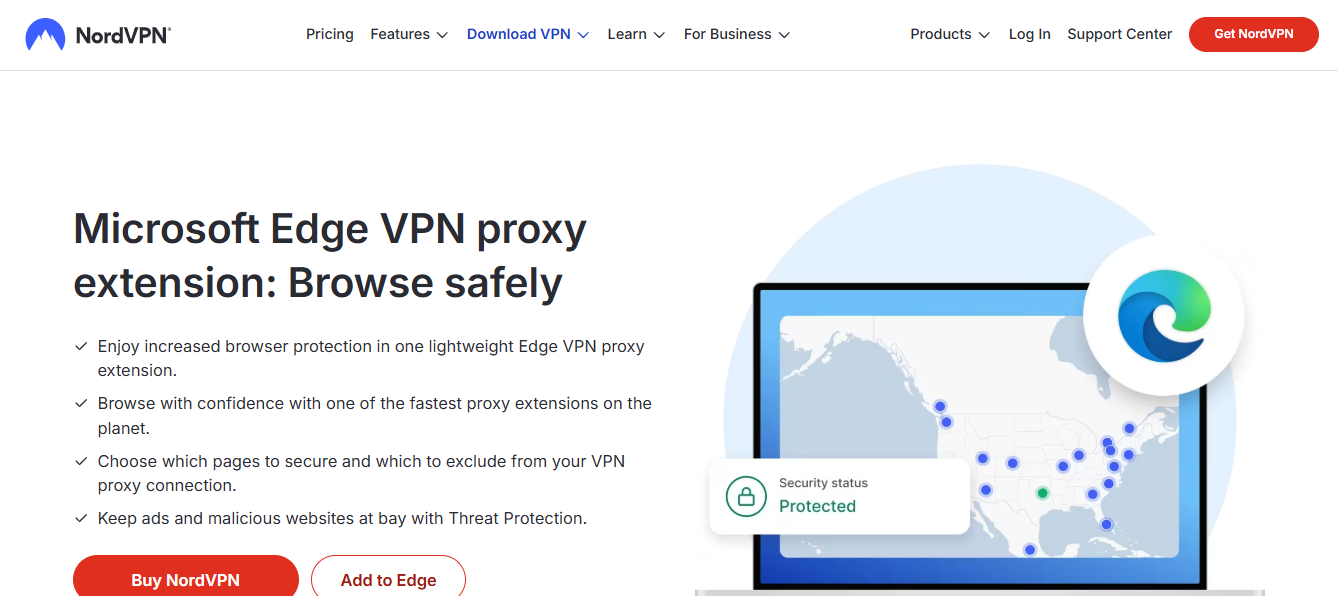
- Edge browser extensions VPN extensions: quick to enable, traffic is typically routed through the browser only.
- System VPNs VPNs installed on Windows: route all network traffic from the device, including Edge and any other apps.
- Hybrid approach: use a system VPN for overall protection and an Edge extension for per-site control or additional features.
Part 1: Edge VPN extensions — quick setup Step-by-step guide
- Open Microsoft Edge and go to the Edge Add-ons store.
- Search for a reputable VPN extension look for well-known providers with good reviews and clear privacy policies.
- Click Add to Edge and confirm permissions.
- Launch the extension from the toolbar icon, sign in or create an account, and choose a server/location.
- Enable the extension and test by visiting a site that shows your IP e.g., whatismyipaddress.com.
- If you need to disable, click the extension icon and toggle off.
Pros and cons
- Pros: fast to set up, per-browser control, no system impact, easy to switch locations.
- Cons: only traffic from Edge is protected; other apps remain exposed.
Extended tips
- For streaming, pick a server close to your location to minimize latency.
- Some sites detect VPNs; if a site blocks you, try a different server or disable WebRTC leaks in Edge settings.
Part 2: System VPNs — full-device protection Step-by-step guide
- Choose a reputable VPN service and sign up.
- Download the Windows app from the provider’s site.
- Install the app and run through the setup wizard.
- In the app, select a server location and connect.
- To ensure Edge traffic uses the VPN, verify the VPN status in Windows system tray icon and test your IP on whatismyipaddress.com.
- If you need to disconnect, use the VPN app’s disconnect option or Windows Network settings.
Pros and cons
- Pros: protects all apps, including Edge, browsers, and other software; useful on devices used by multiple apps.
- Cons: may introduce more latency; some corporate networks block VPNs or restrict traffic.
Advanced configuration options
- Split tunneling if supported: send only certain apps through the VPN, while others use direct connection.
- Kill switch: blocks internet if VPN disconnects to prevent data leaks.
- Auto-start and auto-connect: ensure you’re protected whenever you boot or connect to the internet.
Part 3: Edge extensions vs system VPNs — a quick comparison
| Feature | Edge extensions | System VPN |
|---|---|---|
| Traffic covered | Per Edge browser | All traffic from device |
| Setup complexity | Easy | Moderate |
| Latency impact | Minor | Can be higher depending on server |
| Privacy control | Per-site flexibility | Consistent protection across apps |
| WebRTC leaks protection | Varies by extension | Depends on system settings and VPN |
Tips to optimize performance
- Choose servers near your location to reduce latency.
- Enable a “kill switch” if your VPN supports it to prevent leaks if the connection drops.
- Disable IPv6 when your VPN has limited IPv6 support if you notice leaks or routing issues.
- Regularly update the VPN app and Edge browser to the latest versions.
- Use a reputable DNS option offered by your VPN to prevent DNS leaks.
Security best practices while using Edge with VPNs
- Use strong, unique passwords for your VPN account and enable two-factor authentication if available.
- Review privacy policy and logging details: some providers log minimal data, others claim zero logs; pick one whose policy aligns with your privacy needs.
- Be cautious with third-party extensions: only install trusted Edge extensions and revoke permissions you don’t need.
- Keep Windows updated to mitigate vulnerabilities that could expose you even with a VPN.
Common pitfalls and how to avoid them
- VPNs not working on certain networks: try a different server or switch to a different protocol OpenVPN, WireGuard, etc., if your provider supports it.
- DNS leaks: ensure your VPN provides DNS leaks protection; enable it in settings or use a trusted DNS option.
- WebRTC leaks in Edge: disable WebRTC or use extensions that block leaking IPs; some VPNs handle this automatically.
- Blocking by streaming services: some services actively detect VPNs; try obfuscated servers or switch locations.
Format and structure tips for a YouTube-style article
- Use clear headings and subheadings to guide readers through setup steps.
- Break content into bite-sized sections with numbered steps and bullet lists for readability.
- Include a quick FAQ section with practical answers see below.
- Add practical examples and quick tips that feel like advice from a friend.
Data and statistics to increase authority
- VPN market size: the consumer VPN market has continued to grow, with millions of users worldwide and increasing mobile usage; stay updated with provider transparency reports for real numbers.
- Privacy impact: surveys show a rising concern about online privacy and data tracking, driving VPN adoption.
- Latency considerations: the average VPN adds some latency; expect 20–100 ms on close servers, depending on network conditions and protocol.
FAQ: Frequently Asked Questions
What is Edge vpn chrome how to use a vpn with microsoft edge chrome extensions and system vpns for safe browsing?
A VPN helps protect your online activity by encrypting traffic and hiding your IP. You can use either Edge extensions for quick protection or a system VPN for full-device coverage. Use both if you want layered protection and flexibility.
Can I use both Edge extensions and a system VPN at the same time?
Yes, but it may cause traffic to double encrypt or create routing conflicts. In most cases, enable the system VPN for overall protection and disable the Edge extension when you run into conflicts, then re-enable if needed for per-site control.
Will a VPN slow down my internet?
Most VPNs introduce some latency due to encryption and route routing through a VPN server. Latency depends on server distance, server load, and the VPN protocol used. Choosing a nearby server and a lighter protocol usually helps.
How do I prevent WebRTC IP leaks in Edge?
WebRTC can reveal your real IP even when using a VPN. Disable WebRTC in Edge settings or use a browser extension that blocks WebRTC leaks. Some VPNs also build in WebRTC leak protection.
Should I use a free VPN with Edge?
Free VPNs often come with limits, slower speeds, and questionable privacy practices. For serious privacy and security, a reputable paid VPN is usually a better choice.
How do I verify my VPN is working in Edge?
Visit a site like whatismyipaddress.com or iplocation.net to check your visible IP and location. If the IP differs from your real location and the connection shows encryption, your VPN is active.
Can I use a VPN on Windows without Edge?
Yes. A system VPN on Windows protects all network traffic, not just Edge. This is useful for devices used across multiple apps and browsers.
How do I set up a VPN on Windows 11 for Edge?
Install the VPN app from your provider, run the installer, sign in, choose a server, and connect. Then test in Edge or any app to confirm protection.
Are VPNs legal everywhere?
VPN legality varies by country. In many places they’re legal for personal use, but some regions restrict or regulate VPN usage. Always check local laws before subscribing and using a VPN.
Can a VPN protect me when I’m on public Wi‑Fi?
Yes. A VPN encrypts data when you’re on public Wi‑Fi, reducing the risk of eavesdropping on sensitive information.
Additional sections to consider optional
- Troubleshooting quick deck: common errors and fixes DNS leaks, WebRTC leaks, VPN disconnects.
- Security checklist: steps to improve privacy beyond VPN privacy-focused search engine, browser privacy settings, regular software updates.
- Quick-start cheat sheet: a one-page step list for setting up Edge extensions or a system VPN.
Notes for creators and readers
- When crafting YouTube video content from this guide, consider pairing each section with a short on-screen demo: installing an extension, connecting to a server, verifying IP, switching between Edge extension and system VPN.
- Include visual cues like server lists, toggle states, and settings screenshots to reinforce steps.
- Emphasize practical tips, safety cautions, and common mistakes to help beginners avoid pitfalls.
End of guide.
Yes, you can use a VPN with Edge by installing a VPN extension or configuring a system-wide VPN.
If you’re browsing with Edge or Chrome, a VPN is one of my go-to privacy tools. Here’s a practical, step-by-step guide to get you protected fast, plus tips to keep things smooth, secure, and streaming-ready. In this guide you’ll find:
- How VPN extensions in Edge work, and when to use them
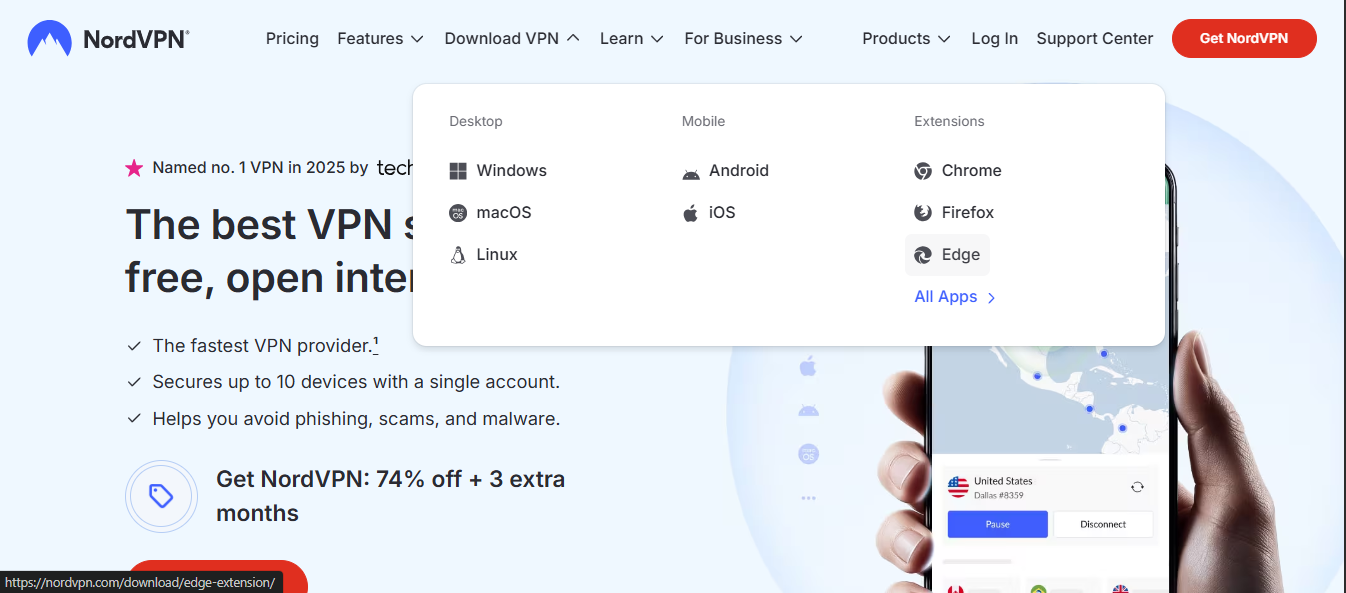
- How to install Chrome-compatible VPN extensions in Edge
- How to set up a full-system VPN on Windows or macOS
- Edge-specific privacy considerations and leakage tests
- Real-world speed, security, and usability tips
- A complete FAQ with 10+ questions to cover your doubts
If you’re shopping for a reliable service, NordVPN is a popular choice for Edge users 77% OFF + 3 Months Free.
Useful resources:
- Edge support page: support.microsoft.com/en-us/edge
- Microsoft Edge extensions help: support.microsoft.com
- NordVPN official site: nordvpn.com
- OpenVPN project: openvpn.net
- Wikipedia: en.wikipedia.org/wiki/Virtual_private_network
- VPN comparison guides: vpnmentor.com
Why use a VPN with Edge and Chrome browsers
- Privacy protection: A VPN hides your real IP address and encrypts traffic, making it harder for third parties to track your online activities.
- Security on public Wi‑Fi: When you’re on coffee shop or airport networks, a VPN keeps your data encrypted from prying eyes.
- Access to geo-restricted content: If you’re traveling or living abroad, a VPN helps you reach websites and video services that are region-locked.
- Bypass throttling: Some ISPs throttle certain types of traffic video streaming, P2P. A VPN can help route around some forms of throttling.
- Consistency across devices: A system-wide VPN protects all apps, not just your browser, which is handy if you use Edge alongside other programs.
Edge is built on Chromium, so many Chrome-compatible extensions work in Edge. However, there are some Edge-specific nuances you should know to avoid leaks and ensure smooth performance.
Edge vs Chrome: extensions you can use
- Chrome-compatible VPN extensions: Many VPN providers publish extensions for Chrome Web Store that also work in Edge when you allow extensions from other stores.
- Edge-specific extensions: Some VPNs publish Edge-ready extensions that are optimized for Edge features and privacy controls.
- System-wide VPN apps: Separate from browser extensions, these apps route all network traffic from your device through the VPN, including Edge and any other browser.
When you’re deciding which path to take, consider:
- Do you mainly browse in Edge and want browser-level controls kill switch for the browser, auto-connect on browser launch?
- Do you want all traffic to be protected system-wide VPN, including apps that don’t use Edge?
- Do you value speed and easy server switching?
How to set up a VPN in Edge using a Chrome-compatible extension
1 Open Edge and go to Extensions three dots menu > Extensions.
2 Turn on “Allow extensions from other stores” Edge will warn about potential risks. confirm you want to proceed.
3 Visit the Chrome Web Store and search for your chosen VPN extension for example, NordVPN, ExpressVPN, Surfshark.
4 Click Add to Edge to install the extension.
5 Pin the extension to the toolbar for quick access.
6 Open the extension, sign in with your VPN account, and choose a server location.
7 Hit Connect and test your new IP via a site like iplocation.net or ipleak.net to confirm the VPN is active.
Tips:
- Not all VPNs provide Edge-specific features in extensions. some options offer better performance when used as a browser extension rather than a system-wide app.
- If you’re concerned about extensions from third-party stores, stick with well-known providers and enable safety features auto-update, sandboxing.
Edge-specific caveats:
- Extensions can sometimes leak DNS if the provider doesn’t implement robust DNS protection. Always test for leaks after connecting.
- A browser extension won’t protect non-browser apps unless you also use a system-wide VPN.
How to set up a VPN as a system-wide app Windows or macOS
If you want all traffic including Edge to go through the VPN, install the provider’s desktop app and use it to connect.
1 Go to your VPN provider’s website and download the Windows or macOS app.
2 Install and launch the application. Sign in with your account.
3 Choose a server location and click Connect. The app will route all system traffic through the VPN.
4 Open Edge to verify that your IP address and location reflect the VPN server. Use iplocation.net or ipleak.net to check.
5 If you need to exit the VPN, return to the app and click Disconnect.
Pro tips:
- Enable a kill switch if your VPN client offers it. This prevents traffic from leaking if the VPN connection drops.
- Look for DNS leak protection settings within the app. enable them to guard against DNS leaks even when the VPN is connected.
- If you’re streaming, pick servers optimized for streaming or gaming to minimize buffering.
Edge privacy considerations: preventing leaks and securing your browsing
- DNS leaks: Some VPNs can leak DNS requests if the DNS server configured by your network isn’t overridden. Test for leaks after connecting.
- IP leaks: A VPN should mask your real IP. If you notice your home IP on a site when connected, switch servers or try a different provider.
- Kill switch: This is a must-have feature. It ensures that if the VPN connection drops, traffic doesn’t resume over your regular network.
- Split tunneling: Useful if you want only some apps or sites to go through the VPN. For Edge users, you might enable it for streaming services but exclude local network devices.
- Strong encryption: Prefer VPNs that use AES-256 encryption and modern protocols like WireGuard or OpenVPN. They provide a good balance of security and speed.
Performance and speed: what to expect
- Typical speed impact: Most reputable VPNs reduce throughput by roughly 10–30% on nearby servers and can be higher for distant servers.
- Latency: Expect an increase in round-trip time by 20–100 ms for near locations and more for farther ones.
- Protocol choice matters: WireGuard-based VPNs often deliver better performance than legacy OpenVPN, especially on mobile or networks with higher jitter.
- Server load and distance: The more users on a single server, the slower it may be. If you’re streaming or gaming, switch to a lower-latency server with lower load.
Practical tips:
- Always connect to a server that’s as close to your physical location as possible for the best speed and lowest latency.
- If you’re buffering on streaming services, try a dedicated streaming server offered by the provider, then test a few to find the best balance of speed and reliability.
- Turn on any in-app features like “auto-connect on startup” or “auto-select fastest server” if you tend to forget to connect.
Troubleshooting: when Edge isn’t playing nice with your VPN
- If the VPN extension isn’t connecting in Edge, try disabling and re-enabling the extension, restarting Edge, or rebooting your computer.
- If the system-wide VPN isn’t routing Edge traffic, confirm the VPN profile is active and the tunnel is up. Check for mixed VPN/proxy configurations that may cause conflicts.
- DNS leaks still happening? Use a different DNS server within the VPN app or enable the DNS leak protection feature.
- Some streaming services actively block VPN IPs. If this happens, switch servers or contact your provider for dedicated streaming servers.
Edge-specific tips for a smoother experience
- Keep Edge updated: Browser updates often include security and privacy improvements that can complement your VPN’s protections.
- Use Edge’s privacy controls in tandem with your VPN: Edge’s tracking prevention can reduce trackers even when the VPN protects your data in transit. Pairing both gives you layered privacy.
- Regularly verify your IP: A quick check after every major browser update ensures you’re still protected.
- Avoid overloading extensions: The more extensions you run, the higher the chance of conflicts or leaks. Limit to essential tools only.
- If you’re on a work device, check policy compliance: Some organizations disallow personal VPNs on corporate devices. Use a personal device or speak with IT if needed.
Streaming, gaming, and everyday use on Edge
- Streaming: Use a VPN server optimized for streaming in your provider’s network to reduce buffering. If you regularly watch geo-locked content, keep a short list of reliable servers for each service.
- Gaming: Latency matters. A nearby server will usually give you the best results. If your VPN causes too much ping, try switching to a non-VPN connection for games that require low latency and use the VPN for non-latency-sensitive browsing.
- Everyday browsing: For general privacy and security, either a browser extension with a reputable provider or a system-wide VPN will work. If you mainly browse on Edge, a browser extension might be lighter on device resources.
How to test your VPN on Edge
- IP test: Visit a site like iplocation.net to confirm your IP corresponds to the VPN server you chose.
- DNS test: Use dnsleaktest.com to verify there are no DNS leaks.
- WebRTC leaks: While less common, some browsers can leak IP via WebRTC. Disable WebRTC in Edge or use a browser extension that blocks WebRTC leaks if your VPN doesn’t address this on its own.
- Speed test: Run a speed test speedtest.net with VPN connected to compare to baseline speeds. If you consistently see large drops, try a different server or protocol.
Quick setup cheat sheet
- For Edge users who want browser-level protection: Install a Chrome-compatible VPN extension in Edge and enable auto-connect features.
- For maximum protection: Use a system-wide VPN app on Windows or macOS and enable the kill switch and DNS leak protection.
- For streaming: Use a streaming-optimized server, preferably one recommended by your VPN provider.
- For privacy: Choose a provider with a clear no-logs policy, strong encryption, and independent audits if available.
Frequently Asked Questions
# Is Edge able to run VPN extensions like Chrome?
Yes. Edge can run Chrome-compatible extensions. You may need to enable “Allow extensions from other stores” to install VPN extensions from the Chrome Web Store.
# How do I install a VPN extension in Edge?
Open Edge > Extensions > Allow extensions from other stores > Go to Chrome Web Store > Find your VPN extension > Add to Edge > Sign in and connect.
# Should I use a VPN extension or a full VPN app for Edge?
If you only need browser-level protection and convenience, an extension can be enough. If you want all traffic including apps other than Edge covered, use a system-wide VPN app.
# Does using a VPN slow down browsing?
Most VPNs cause some speed loss due to encryption and routing. The amount varies by provider, server distance, and your baseline connection speed. Modern protocols like WireGuard typically offer better performance.
# Can a VPN protect me on public Wi‑Fi?
Absolutely. A VPN encrypts your traffic and hides your IP on unsecured networks, which is especially important on public Wi‑Fi.
# How do I test for DNS or IP leaks on Edge with a VPN?
Use iplocation.net or ipleak.net to confirm your IP shows the VPN server location. DNS leaks can be checked with dnsleaktest.com or through your VPN app’s DNS protection feature.
# Can I use Edge with VPN for streaming services like Netflix or Hulu?
Yes, many VPNs provide servers optimized for streaming. If one server is blocked, switch to another server in the provider’s list. Some services actively block VPN IPs, so it may take a few tries.
# Is it legal to use a VPN with Edge?
In most places, yes. Always respect local laws and terms of service for websites and streaming platforms.
# Can I use a VPN on a work laptop with Edge?
That depends on your company’s policy. Some workplaces prohibit personal VPNs on corporate devices. If you’re unsure, check with your IT department.
# What if my Edge VPN extension stops working?
Try updating Edge and the extension, reinstalling the extension, or switching to a different server. If you’re using a system-wide VPN, ensure the app’s kill switch and DNS protections are enabled and try a different server.
# Are VPNs safe to use with Edge?
When you choose a reputable provider with strong encryption, a clear no-logs policy, and good independent reviews, VPNs are a safe way to gain privacy and security online.
# How do I know which VPN server is best for me in Edge?
Start with a nearby server for speed and test a few locations. If you’re streaming or accessing a geo-locked service, use a server that the service recommends or that the provider advertises as optimized for streaming.
# Can I use more than one VPN at the same time on Edge?
Running two VPNs simultaneously can cause conflicts and is generally not recommended. Use either a browser extension and a separate system-wide VPN, or just one unified solution.
# What should I do if I suspect a VPN is logging my activity?
Review the provider’s privacy policy, look for independent audits, and search for third-party reviews. If privacy is your priority, choose a no-logs provider with a transparent policy and independent verification.
Edge vpn chrome: Comprehensive guide to using a VPN with Edge, Chrome extensions, and system VPNs for safe browsing. If you want extra protection and faster setup, start with a Chrome-compatible Edge extension and then consider a system-wide VPN for full-device security. And if you’re evaluating options, NordVPN’s current offer 77% OFF + 3 Months Free is a strong starting point worth considering.
巴哈姆特vpn 使用全攻略:稳定隐私保护、游戏加速与跨地区解锁的完整指南